Shoes & Art - The beauty and superiority of well-made leather shoes
This is about leather shoes made in the tradition of craftsmanship, and their care. I want to help you get some of the best shoes and become a shoe expert.
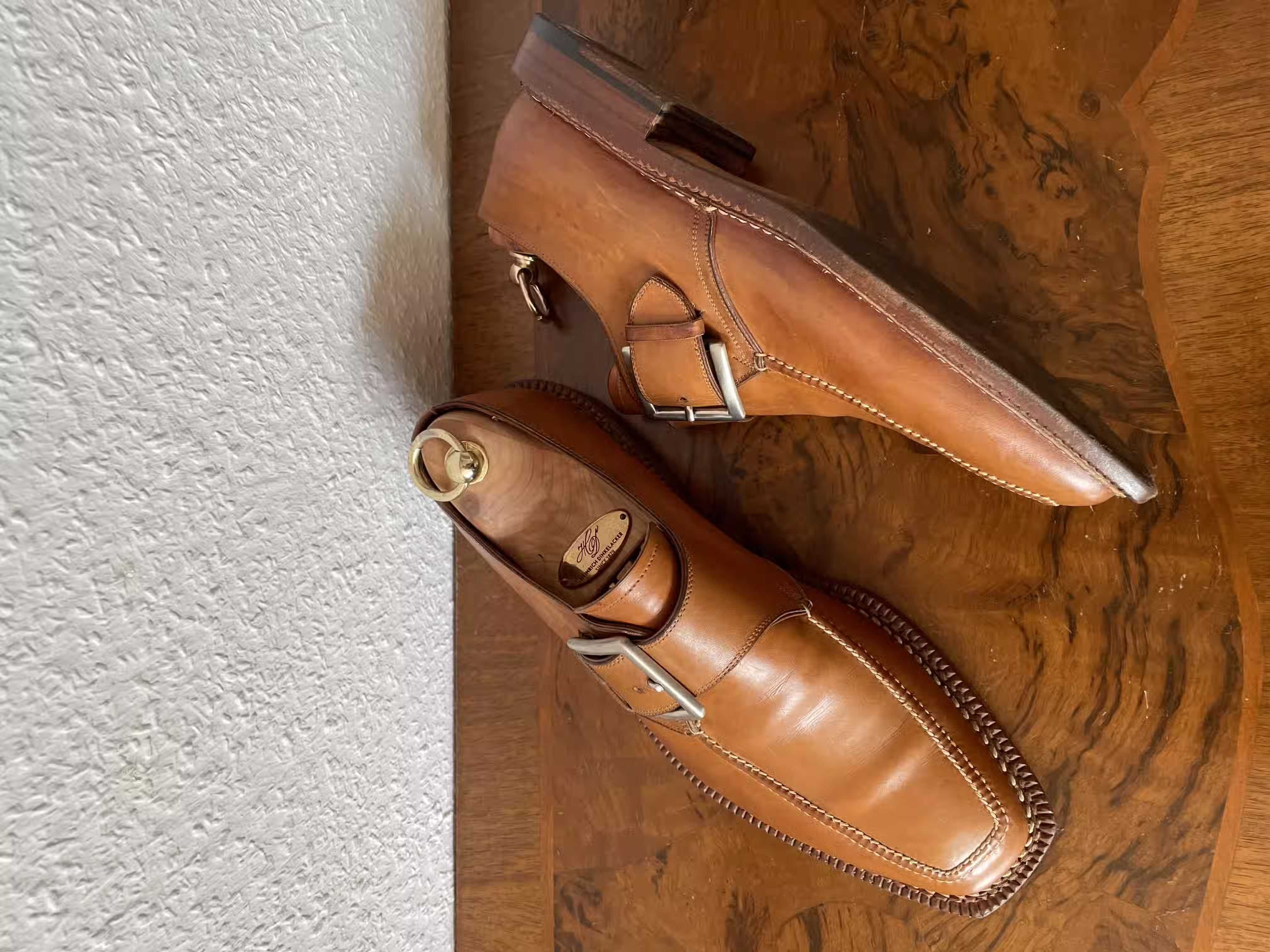
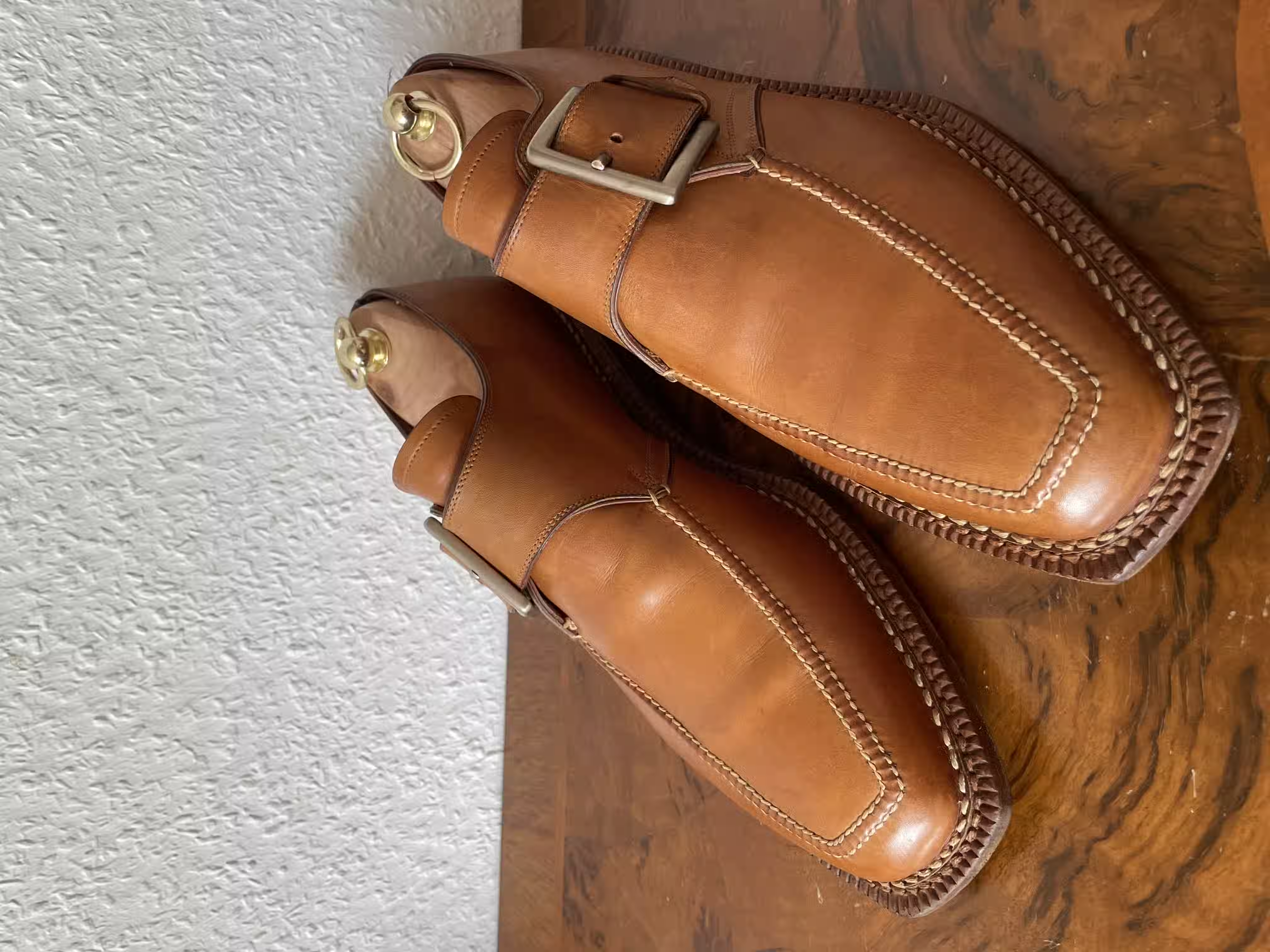
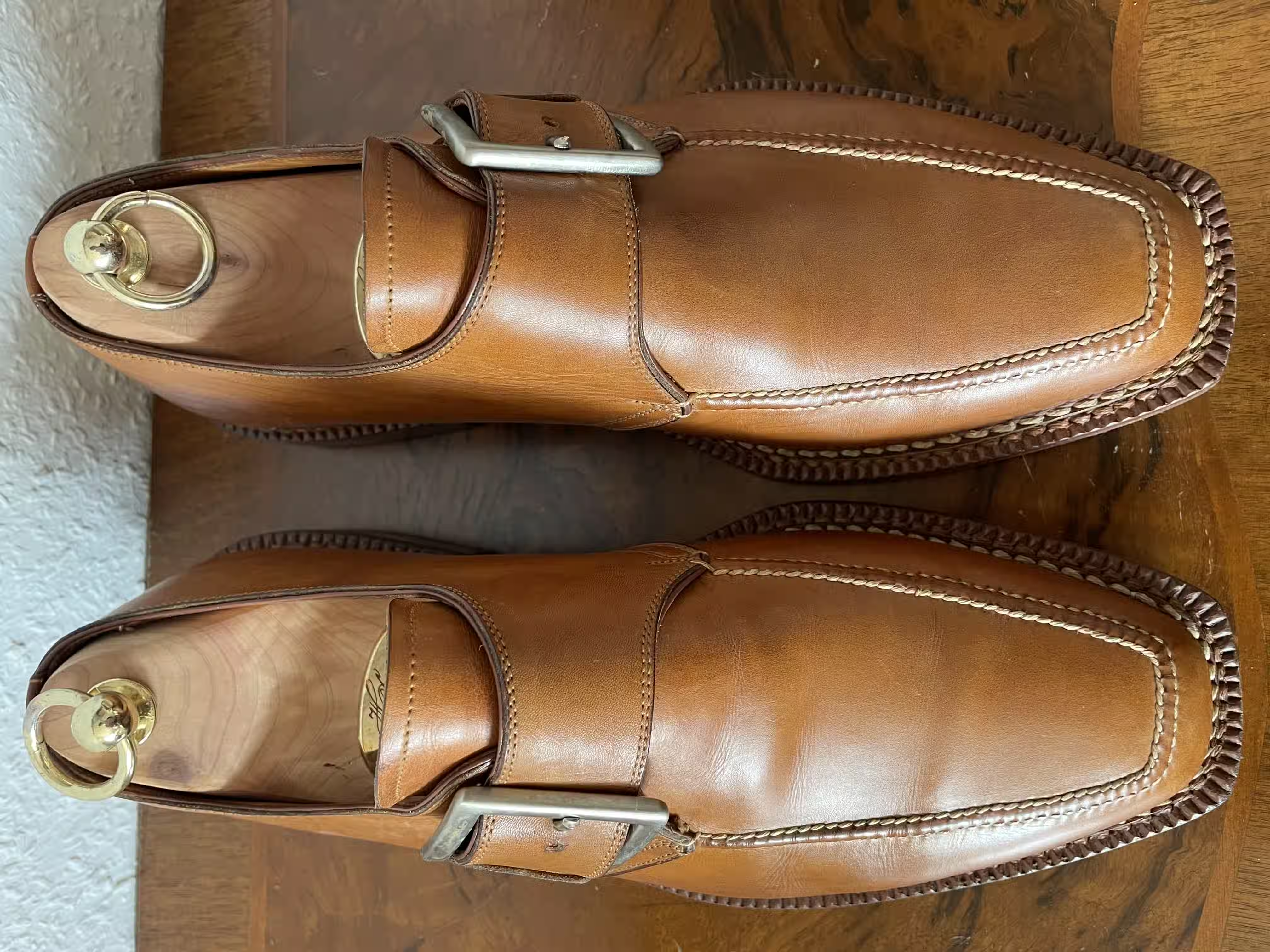
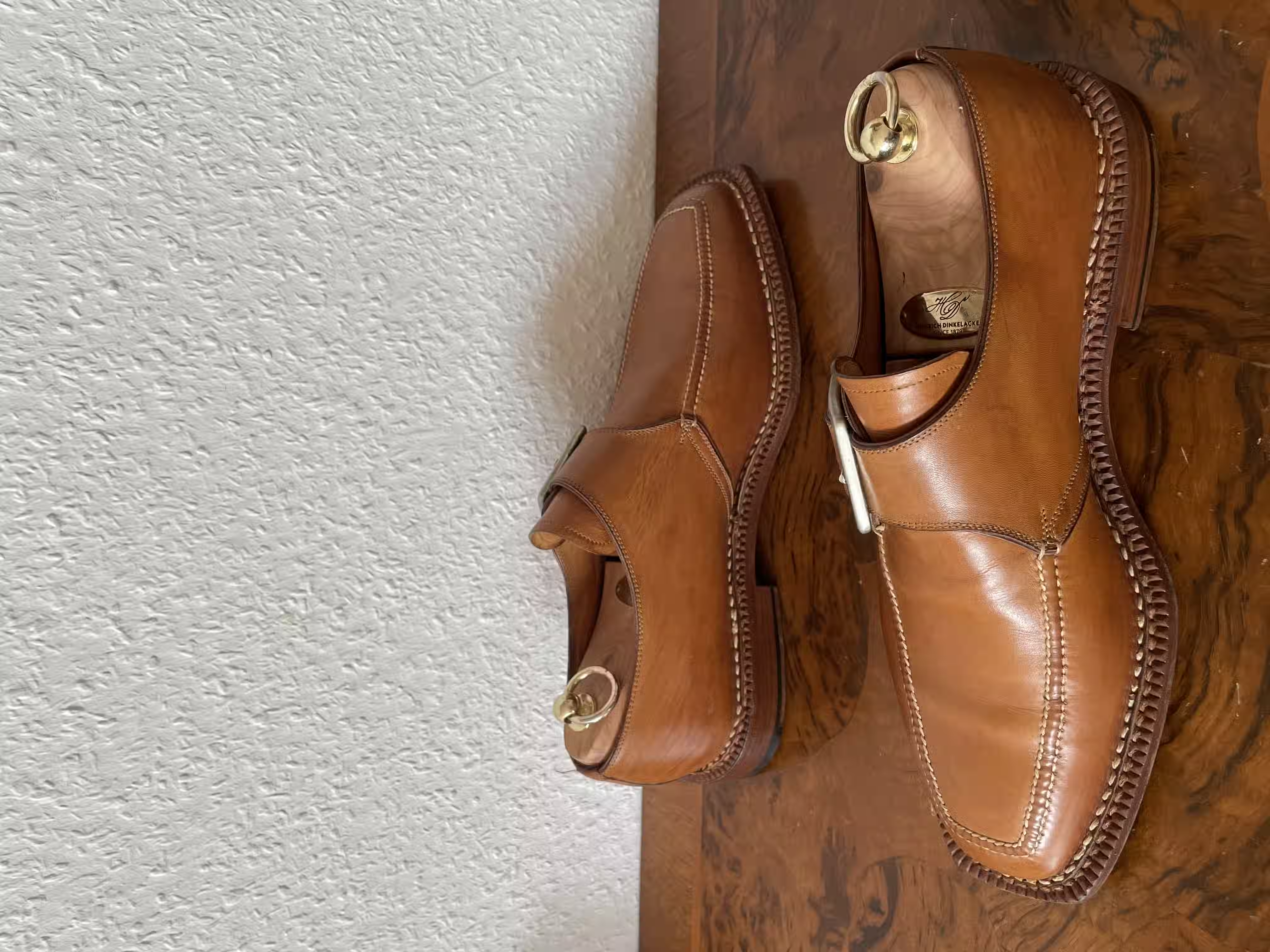
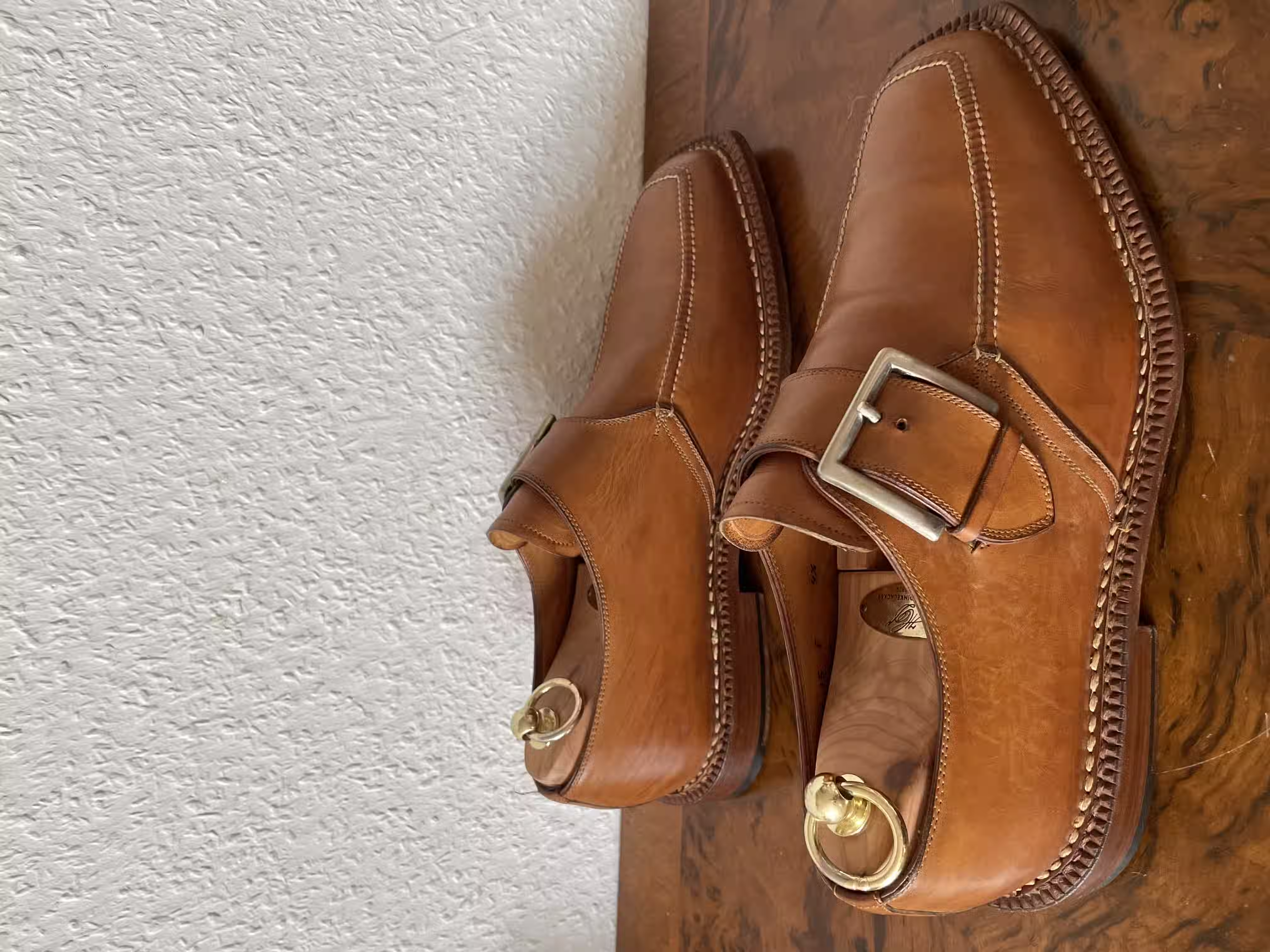
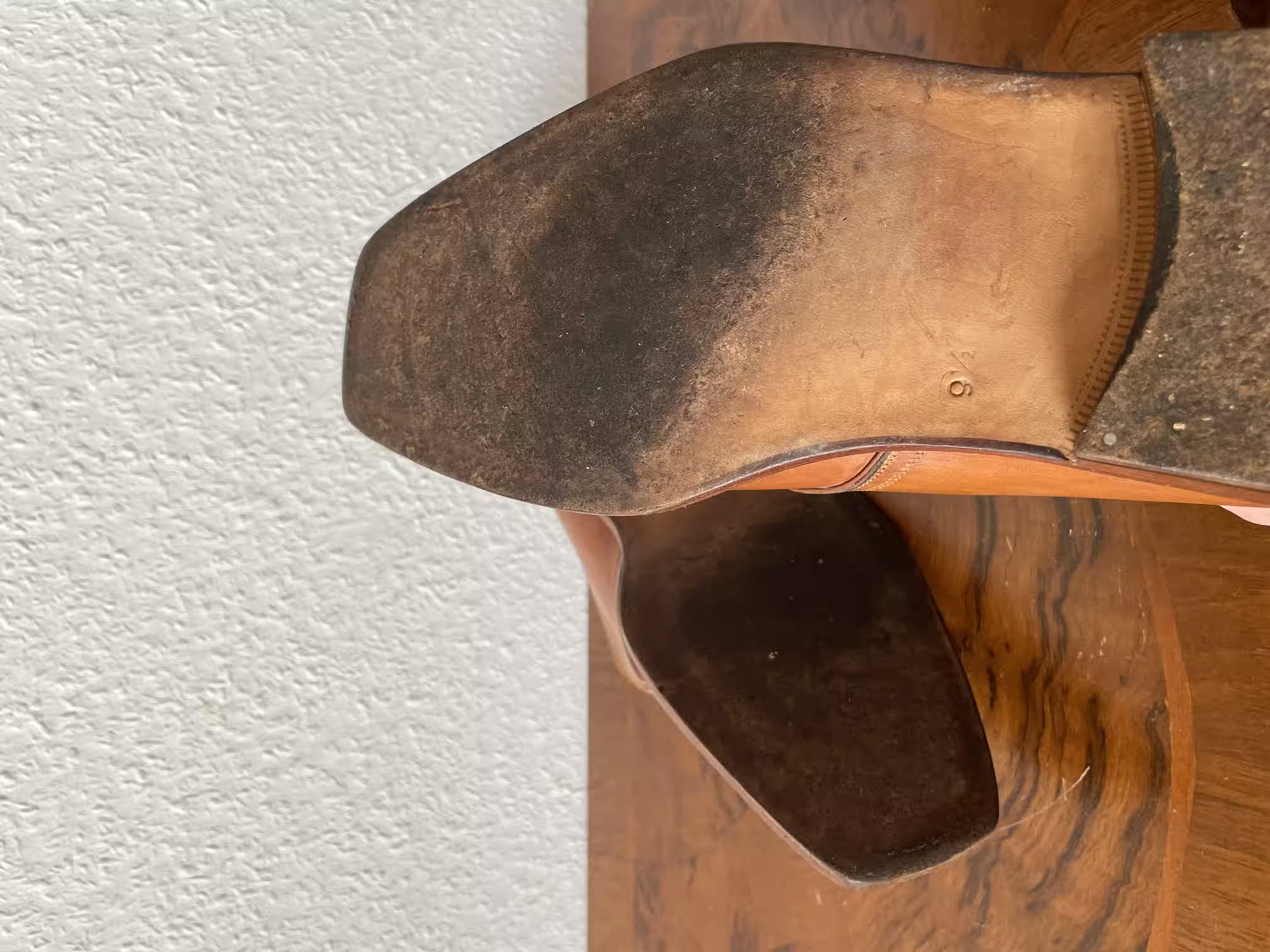
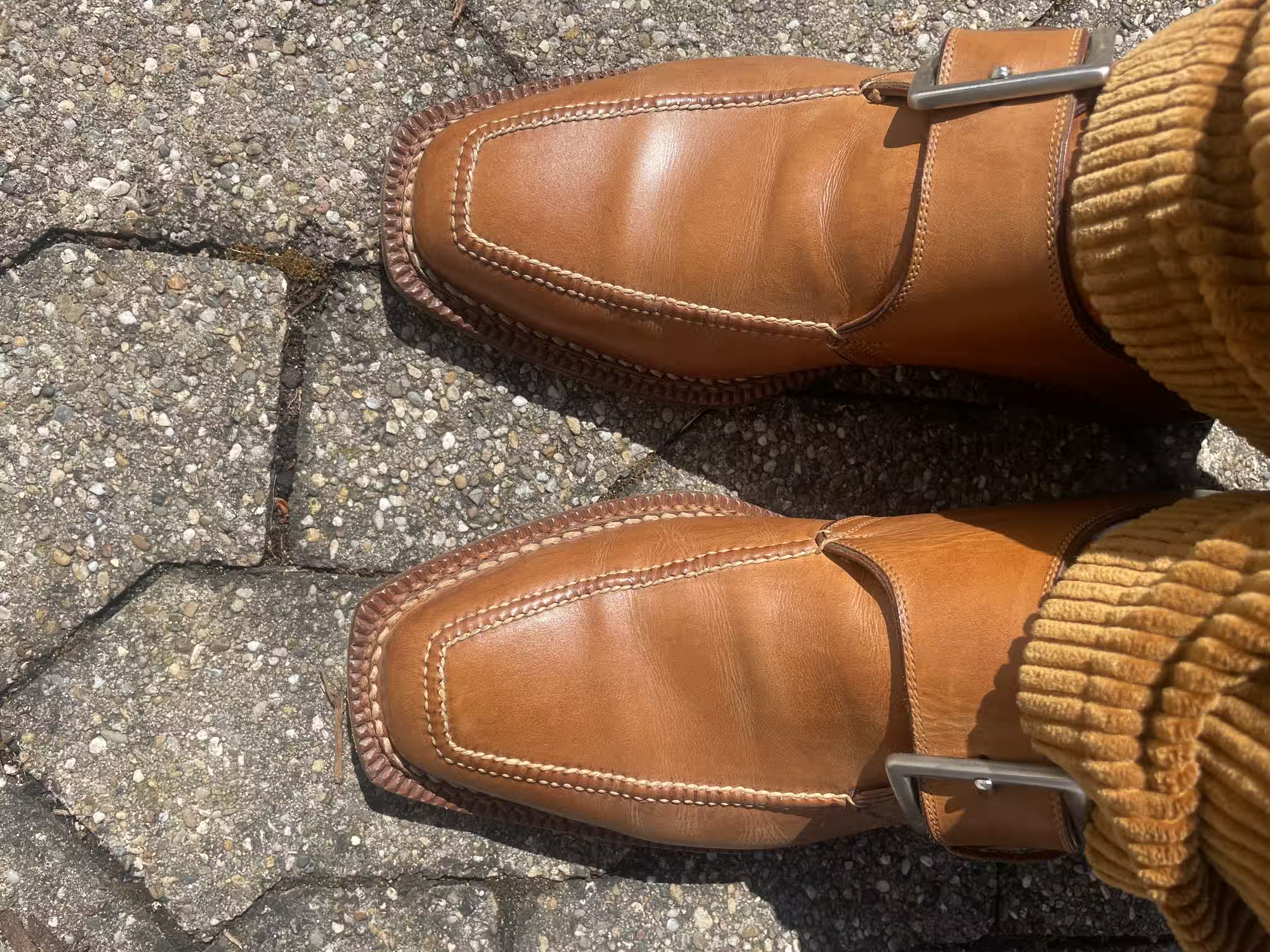
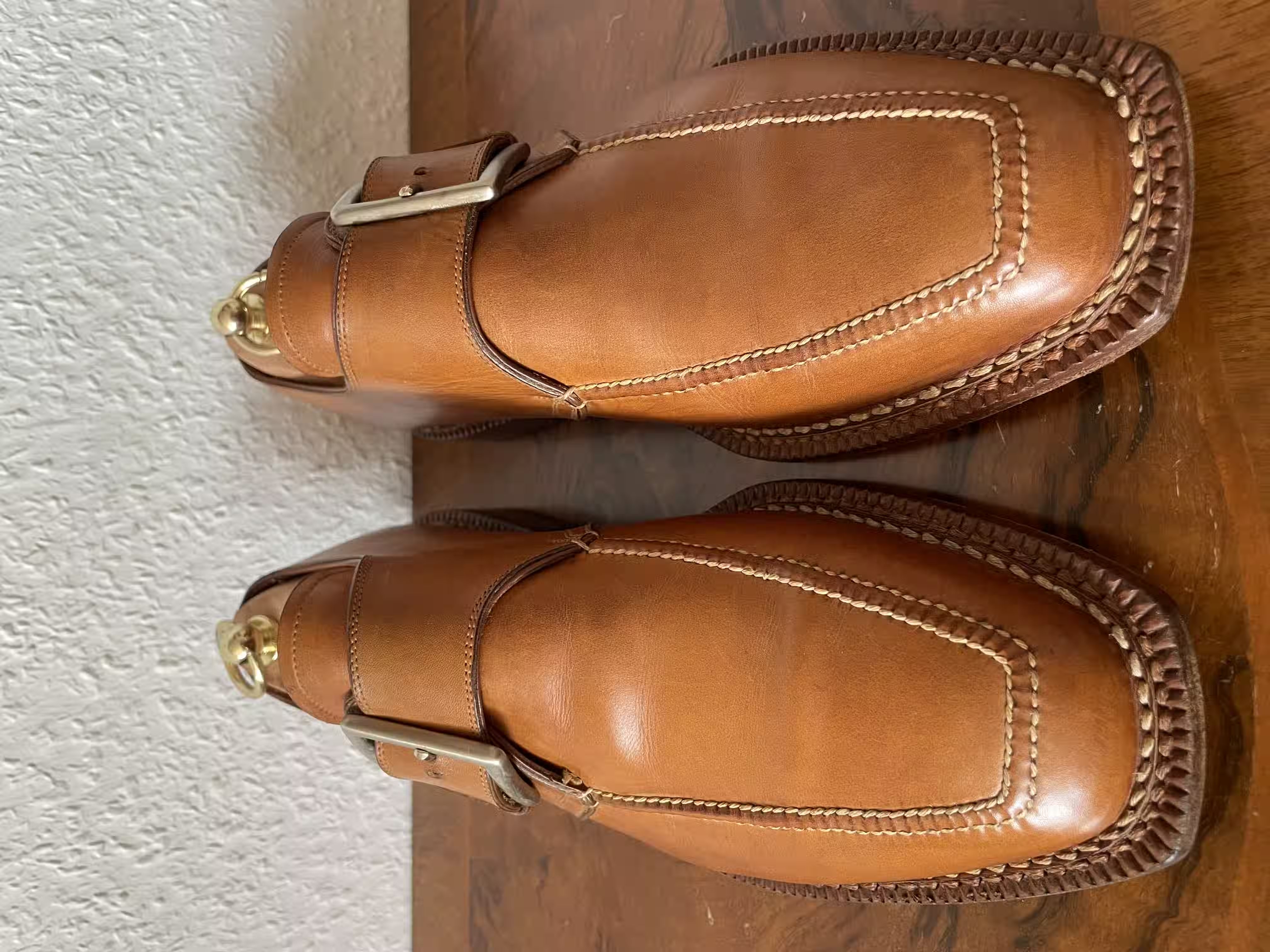
The search for better shoes
I personally believe that traditionally made leather shoes are superior to the mass-produced, glued shoes of today. Better shoes can mean very different things in themselves:
- better fit
- higher-quality material
- fine workmanship
- more elegant appearance
- greater durability
- suitable for specific occasions
- expression of status
Today, status is very strongly implied through the use of certain brand names, even if the actual shoe itself is not that special. I can show you how to be proud of the quality of your shoes instead of the presence of any logos - by appreciating the craftsmanship behind them.
In the other aspects too, my website here can help you enormously to find better shoes. An extraordinarily good fit, for example, can be achieved through good bespoke shoemakers. With that, you can even find very well-fitting shoes for very serious problem feet. On my map of shoemakers there are many who also make bespoke shoes.
I am personally especially interested in such aspects of leather shoes as durability, elegance, and suitability for specific occasions. The material and workmanship also play a special role, and here the art of tanning meets the art of shoemaking.
Why traditionally made leather shoes are ultimately the best
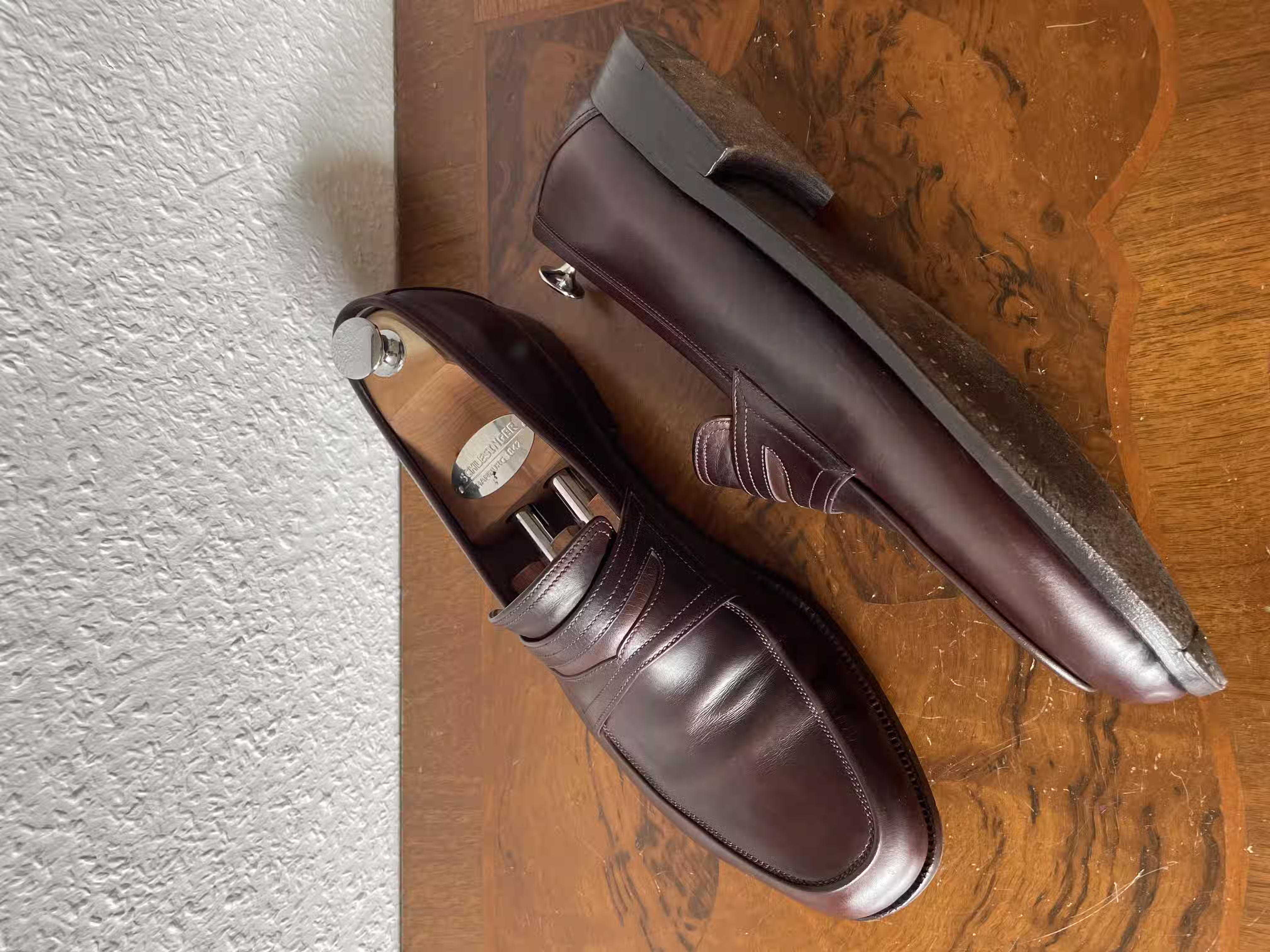
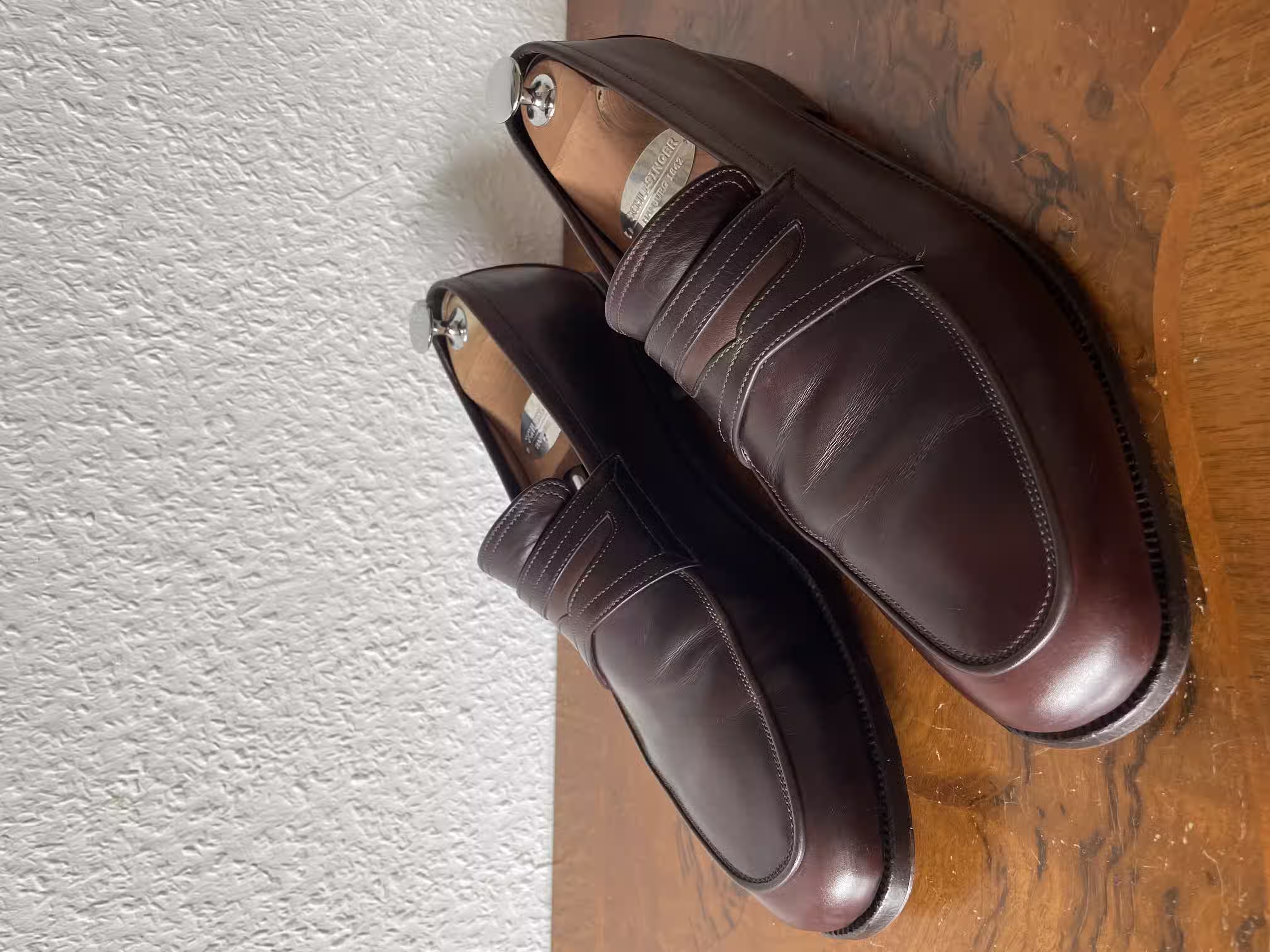
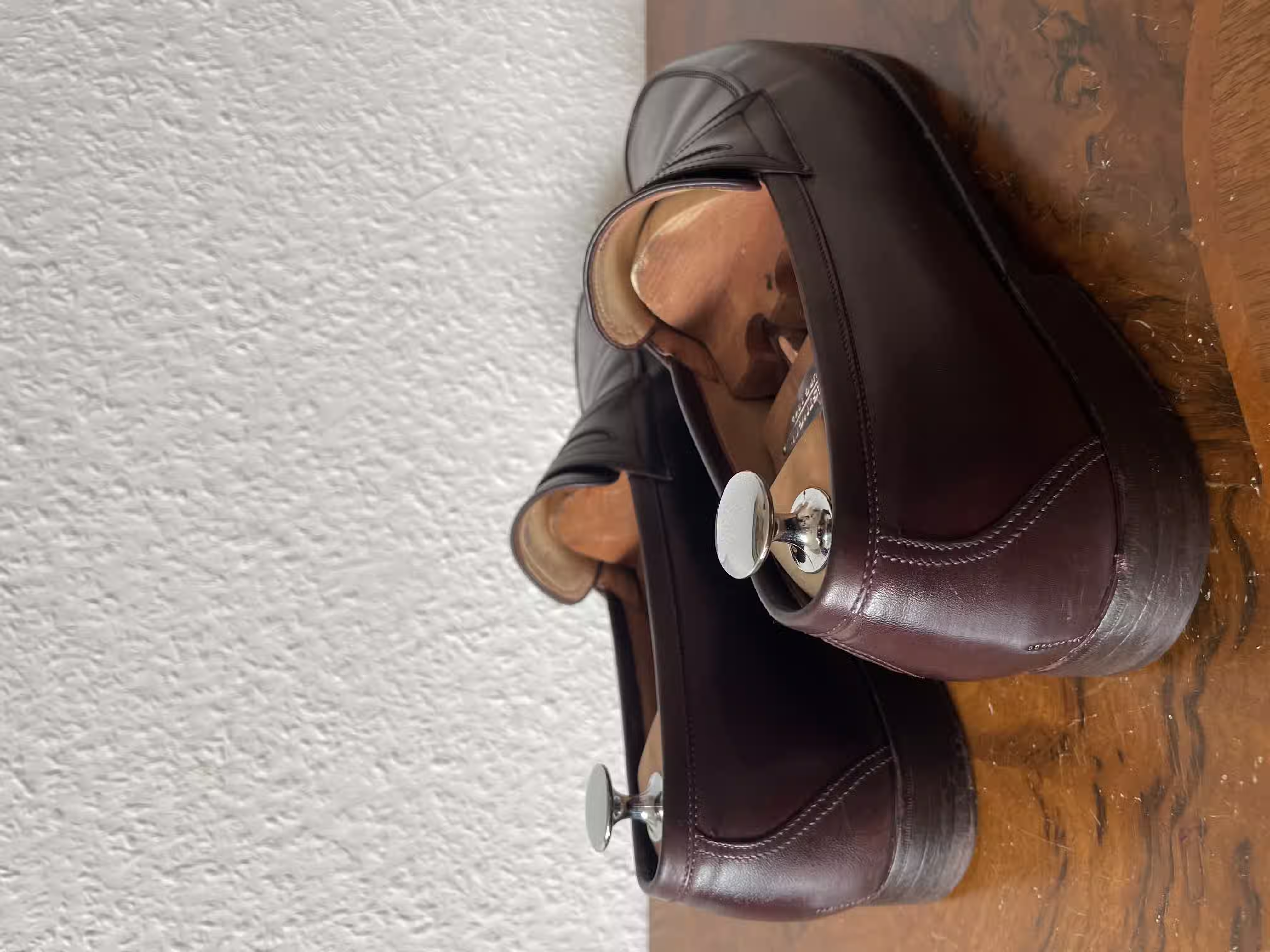
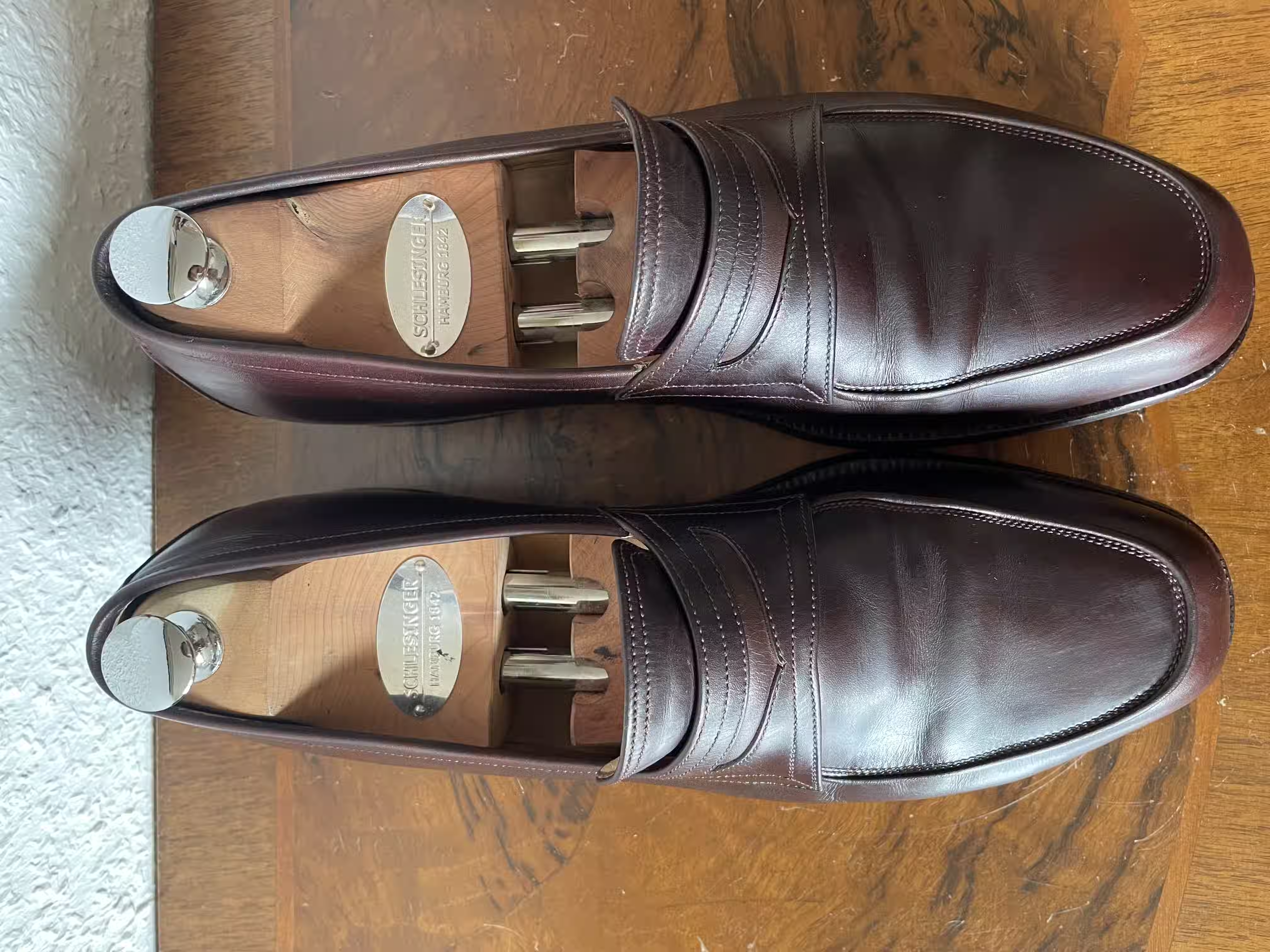
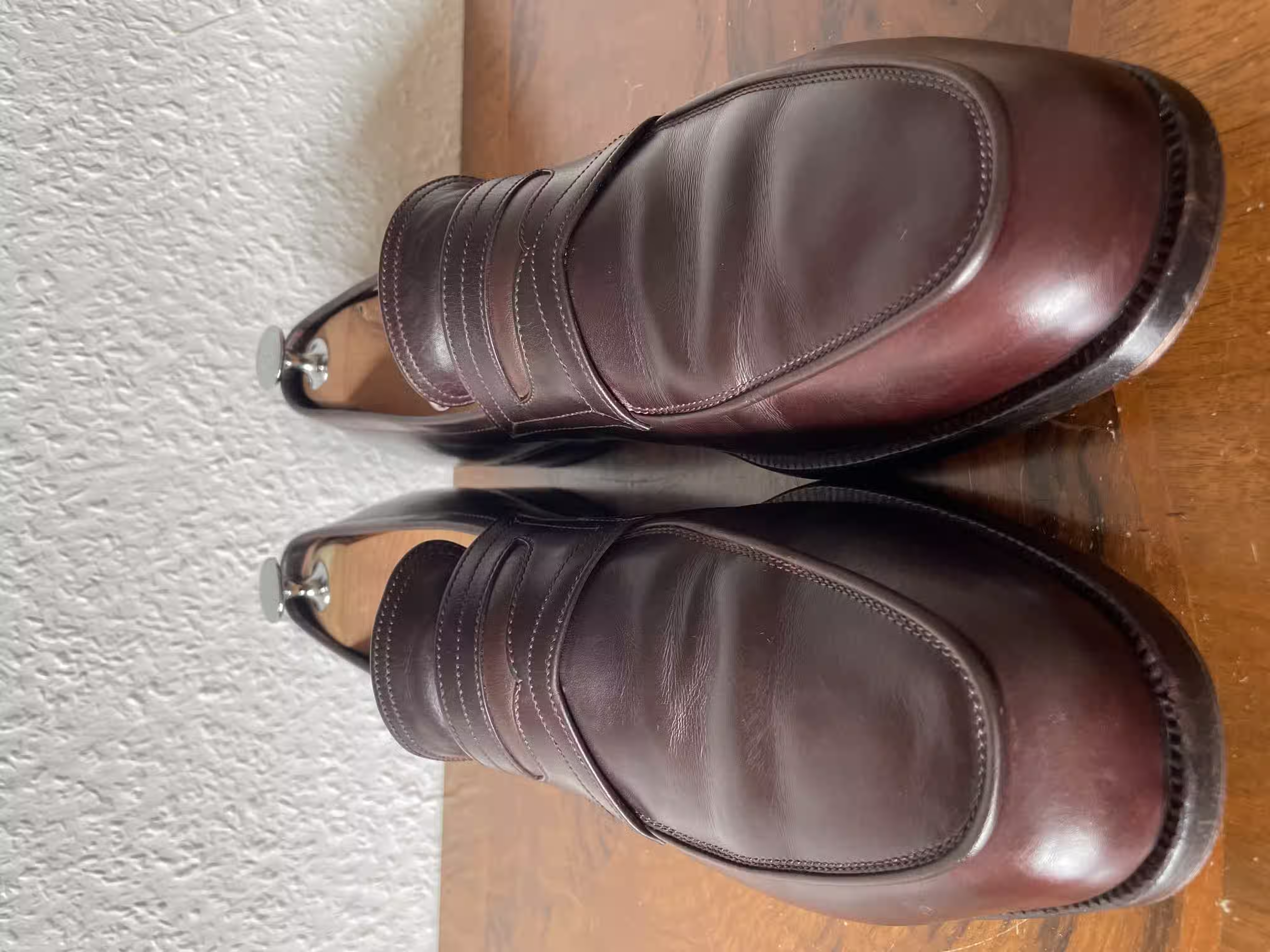
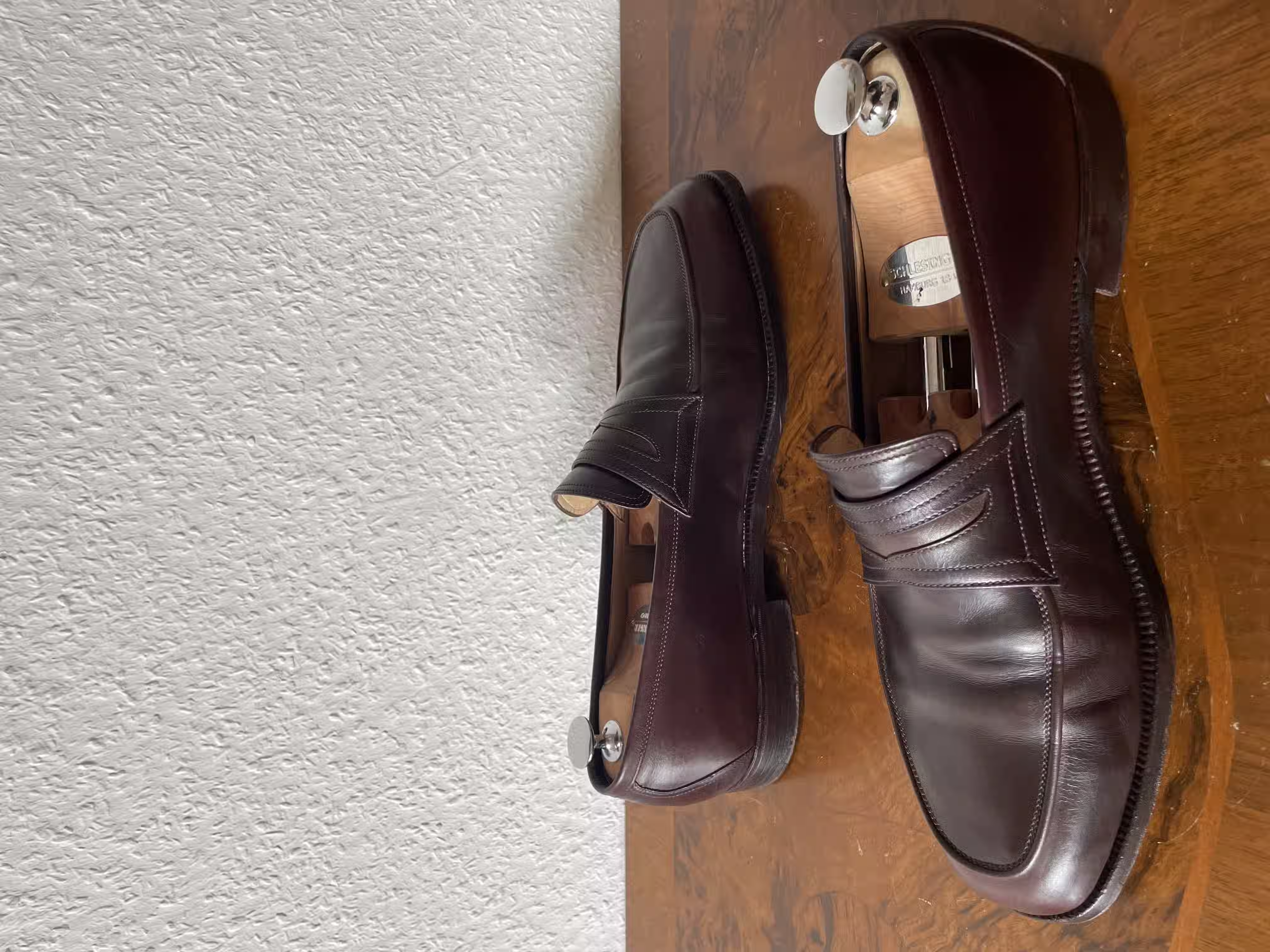
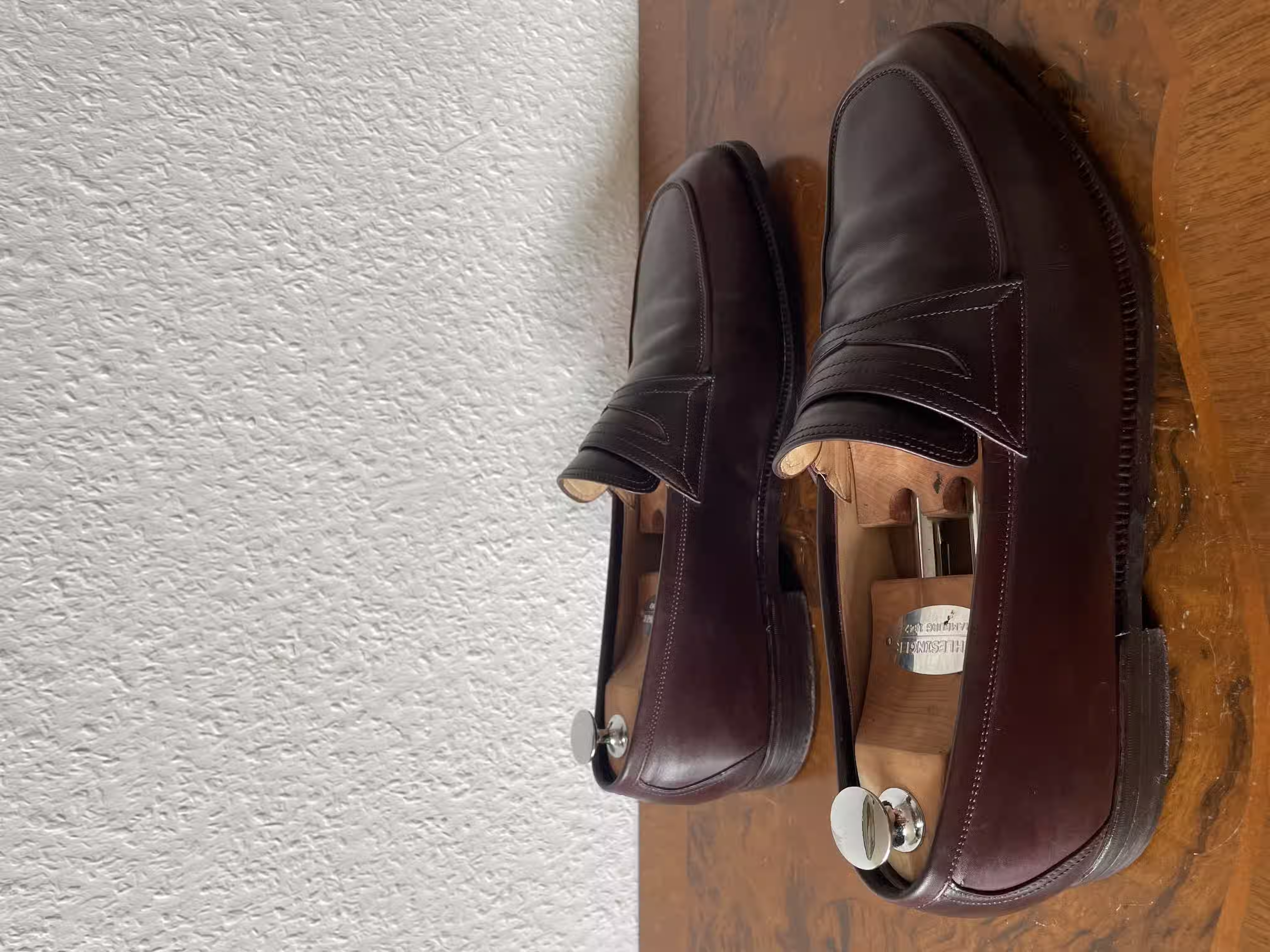
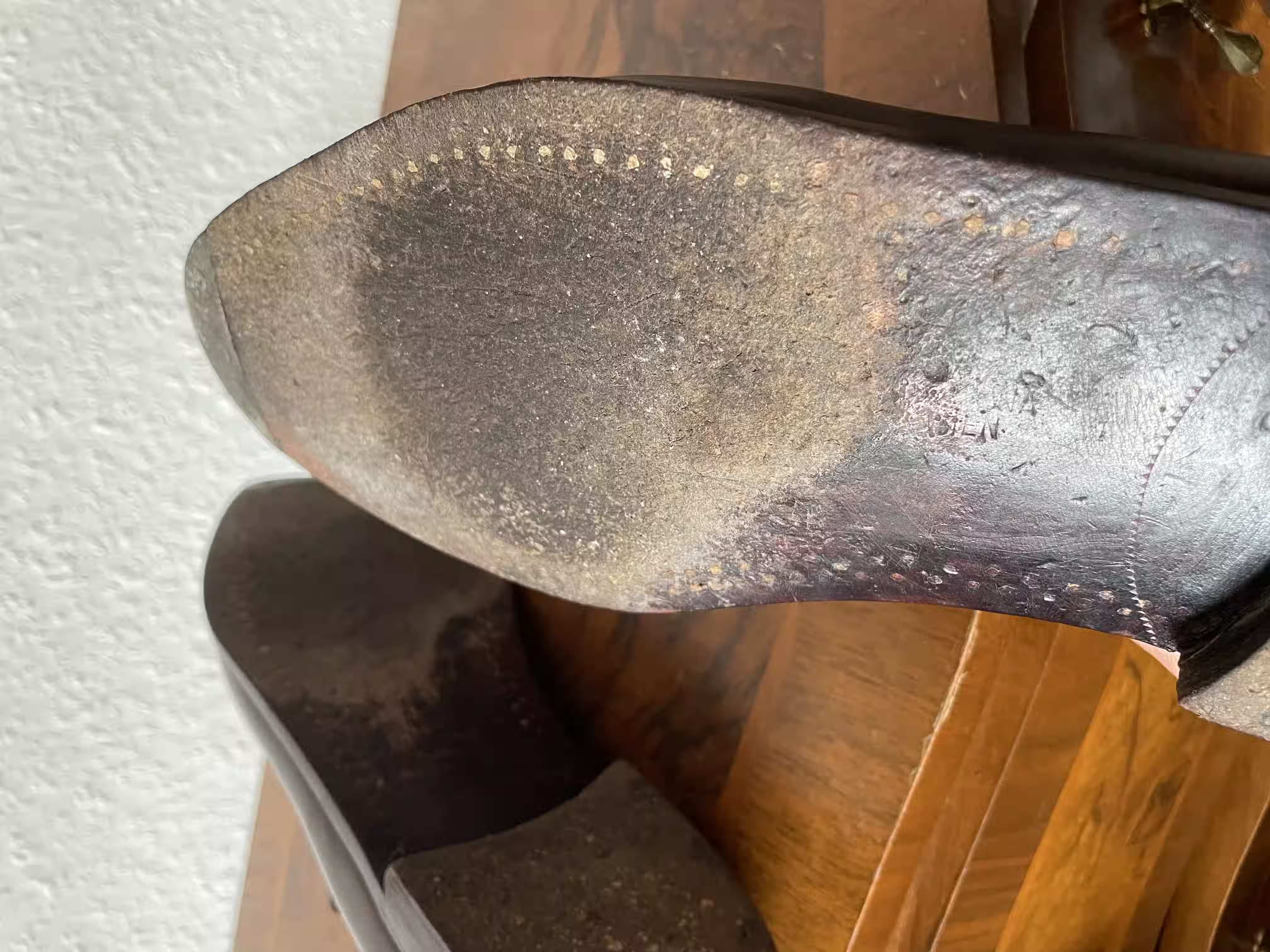
The question of the best shoes can be viewed from different perspectives. I think that from most of these perspectives you will appreciate good leather shoes the most . Here I share some aspects about it in brief.
Leather
Shoes made of high-quality leather last the longest, and real, good leather simply beats any other material. But such shoes are not available everywhere, because most leather shoes are made from inferior leather that is additionally heavily coated. One small downside, however, is that such high-quality leather also has to be cared for so that it lasts a long time despite use. In the end, though, good leather gives you many possibilities for designing your shoes - both functionally and visually.
I personally always enjoy seeing how shoe care brings the upper leather back to life after visible signs of wear have appeared on it. Other aspects such as shoe trees and shoehorns also play a role here, which are simply good for the leather material and thus for your leather shoes.
Craftsmanship
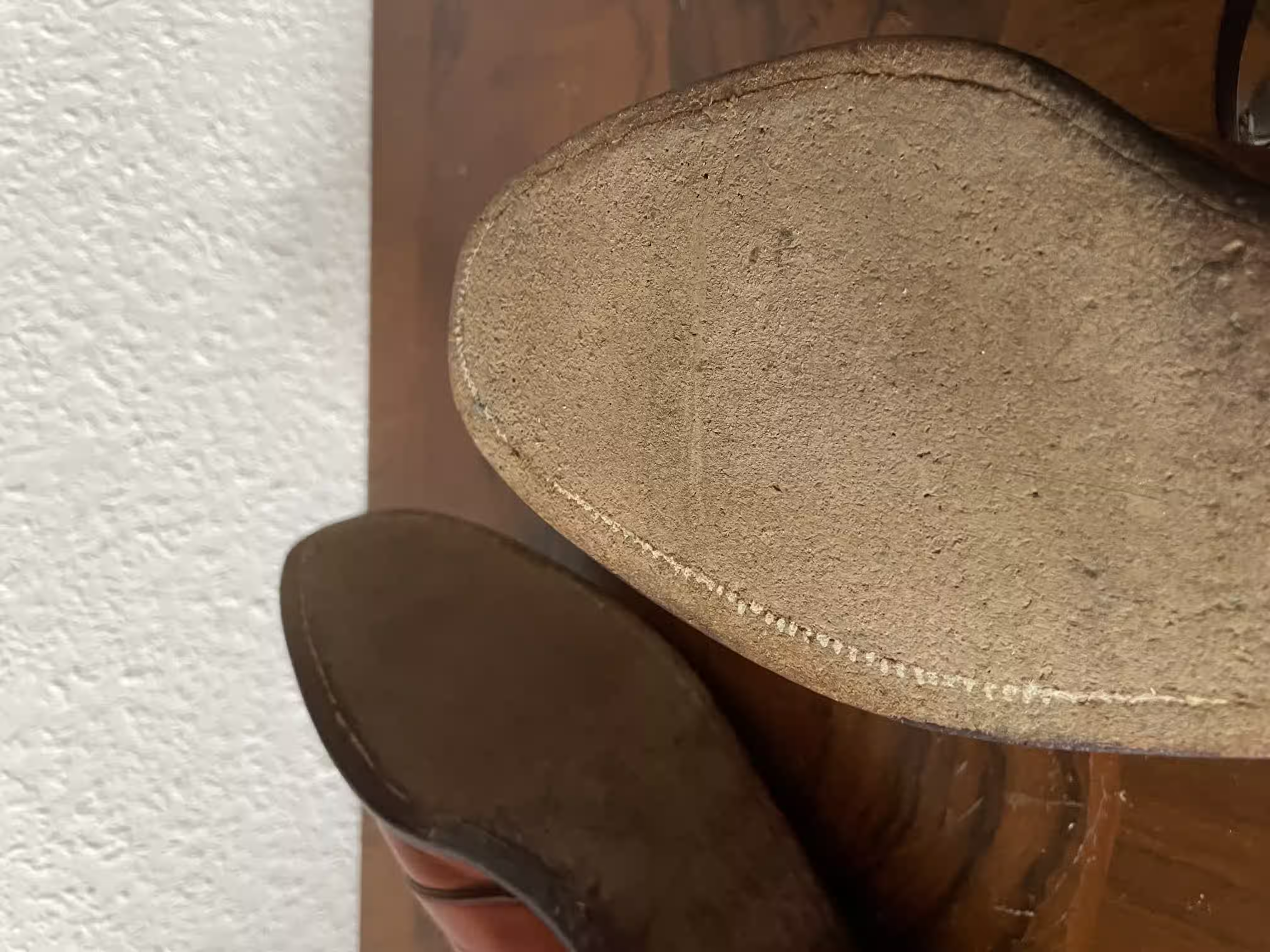
Traditionally made leather shoes are additionally stitched at the essential points and thus hold much more reliably than shoes that are merely glued at every point. If, for example, the outsoles are stitched on, you no longer need to worry that they will come loose while walking and then hinder you.
In addition, you can have the outsoles remade by the shoemaker once they are worn down. This means you do not have to replace the entire shoe, but only a small part of your leather shoe. This allows you to wear the same pair of leather shoes for decades - if you also treat the rest of the shoe carefully by, for example, wearing them on one or two days’ break.
Health
The foot climate is better in leather shoes: leather is permeable to wind and sweat. As a result, your feet do not so easily swim in sweat as I used to experience in synthetic sneakers. You will still have sweat in your leather shoes, but the intensity is lower.
If you have - vegetable-tanned - leather for the lining, then your skin additionally does not come into contact with bad substances such as microplastics. In addition, shoes from good shoemakers are made in a way that promotes the walking motion and foot posture. Some people have overcome their back pain thanks to good shoes. Even if the world of health is a rather large one, good shoes can make a small contribution to it.
Luxury shoes without the luxury markup
Many of the shoes discussed here can be found in the so-called luxury segment. Ultimately, luxury is a somewhat vague term used differently today, which is why you can look at it from various angles. One of these angles includes the brand markup on luxury products, simply because a luxury brand, however defined, is displayed on the shoe through its logo. Personally, I am fundamentally not willing to pay four times as much for the same shoe - just so that a commonly recognized logo adorns it. But everyone may judge that for themselves.
I am interested in the craftsmanship and stylistic aspects of shoes and in their quality. Nevertheless, I also have my own opinion and value some brands more highly than others. I can also imagine special cases in which it makes sense to buy certain branded shoes, and I am then willing to accept that brand markup in such cases. After all, the amount of this brand markup and the quality of the final product vary quite a bit from brand to brand. And with some of these luxury brands, it may still be worth it in the end - especially if I get more than just glued shoes made from inferior material.
So in principle, I am interested in craftsmanship and art, but I have my own gray area with some luxury brands, where I can still imagine buying shoes there at some point. Otherwise, I strongly sympathize with many small shoe manufacturers that may not carry a luxury label, but deliver an enormous price-performance ratio and whose shoes outperform many luxury shoes in terms of quality.
So on this blog you will find everything: both smaller manufacturers, as well as luxury brands and everything in between.
Traditional or modern shoes? - Both, gladly!
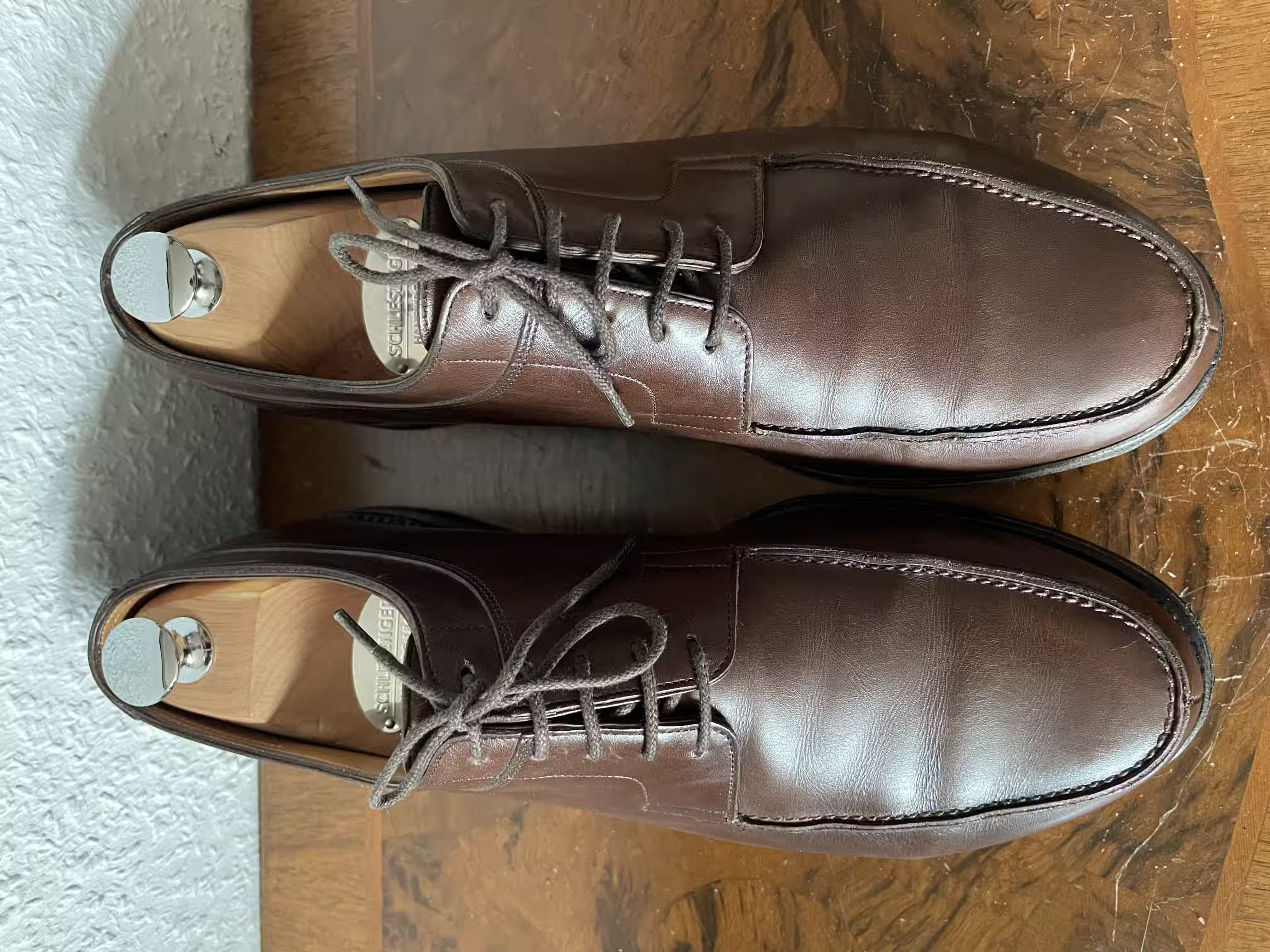
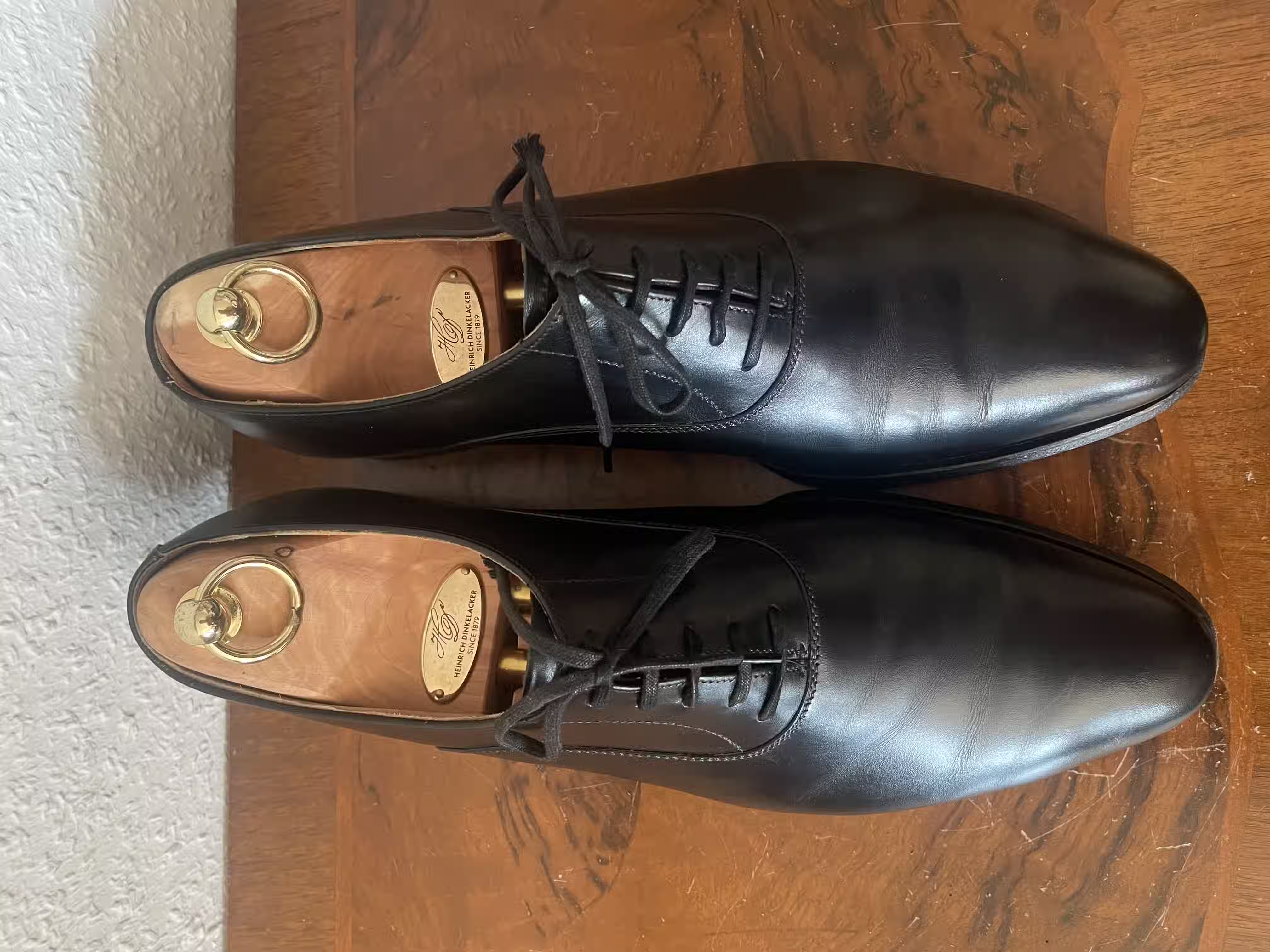
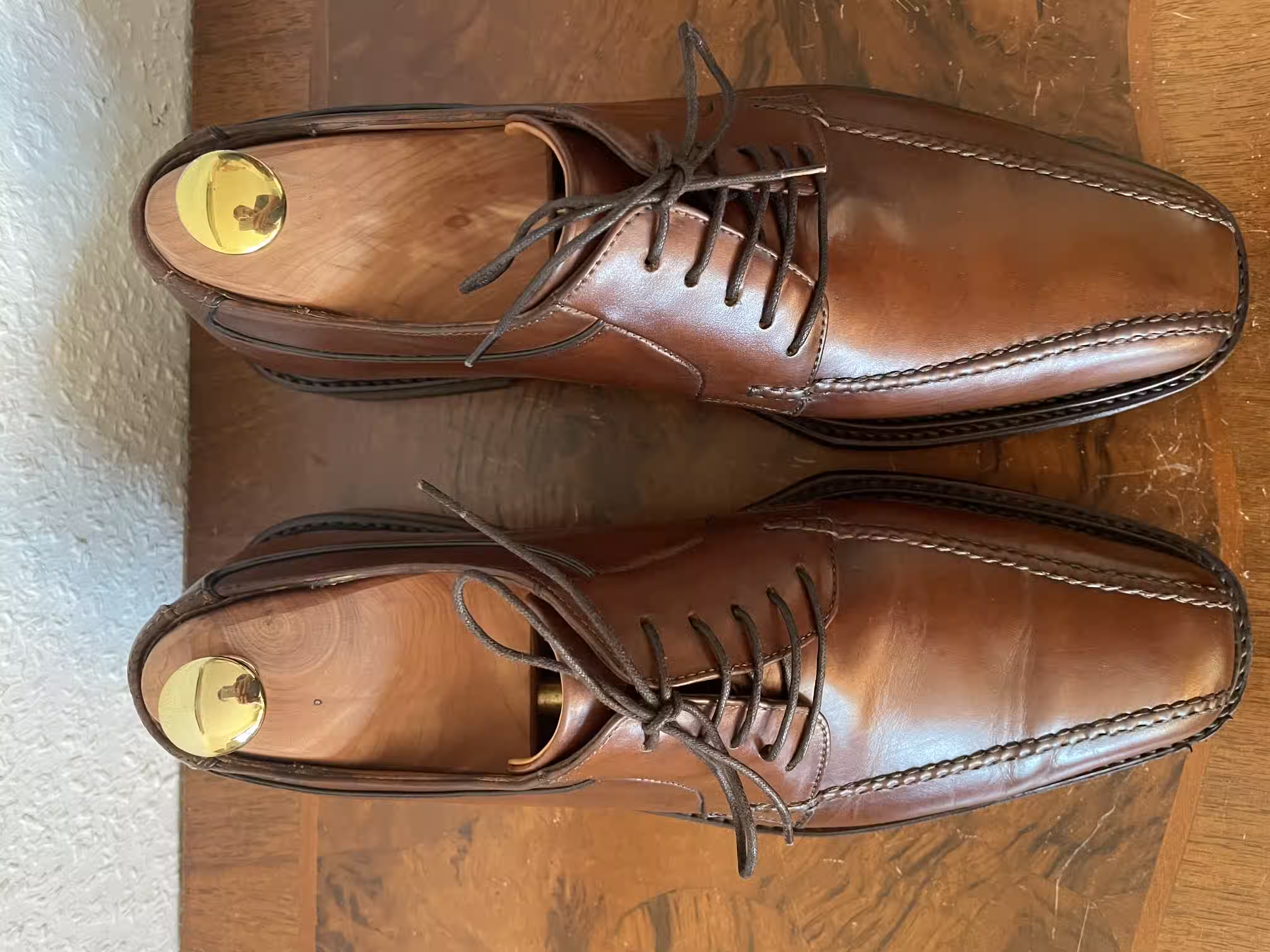
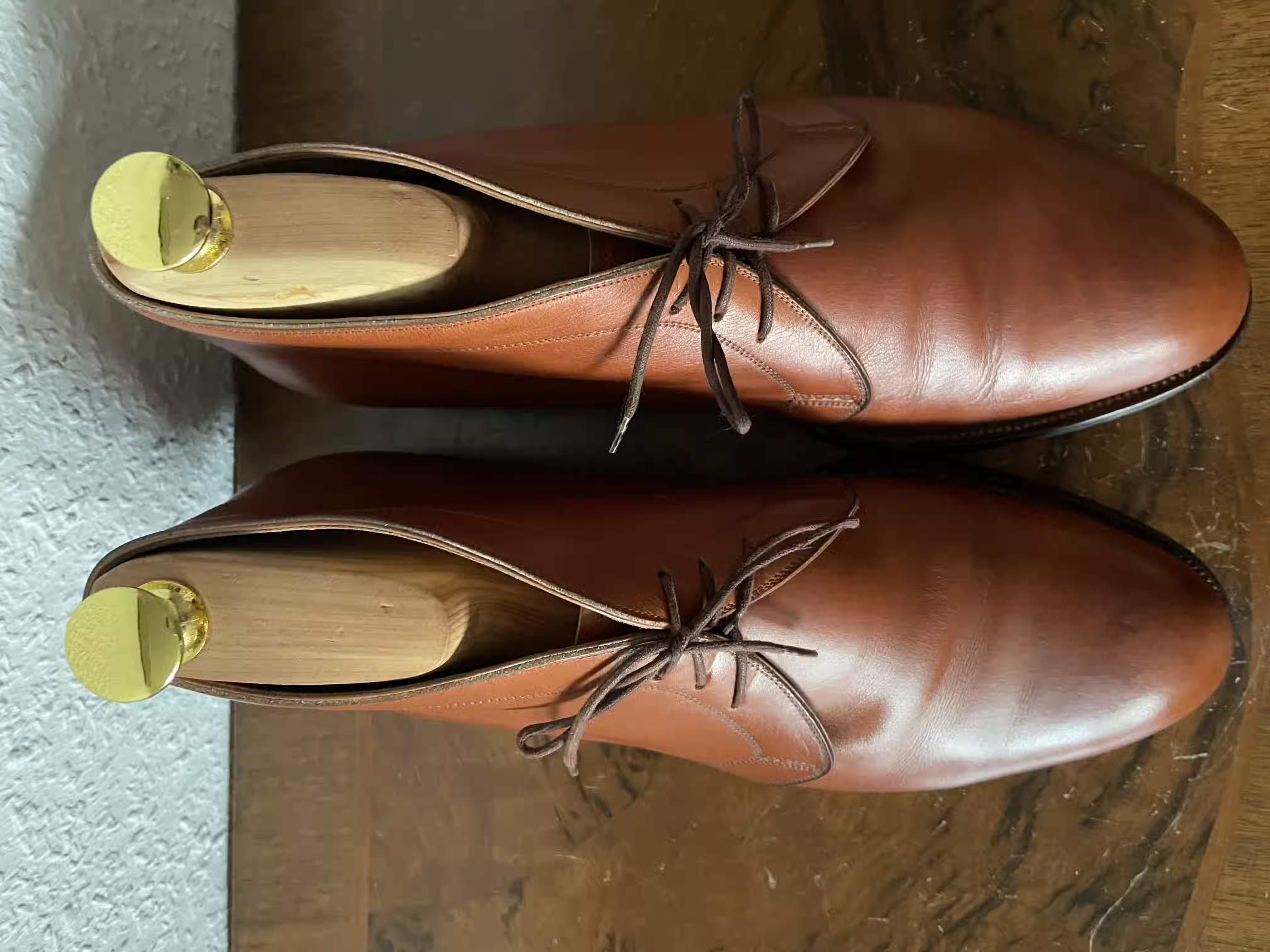
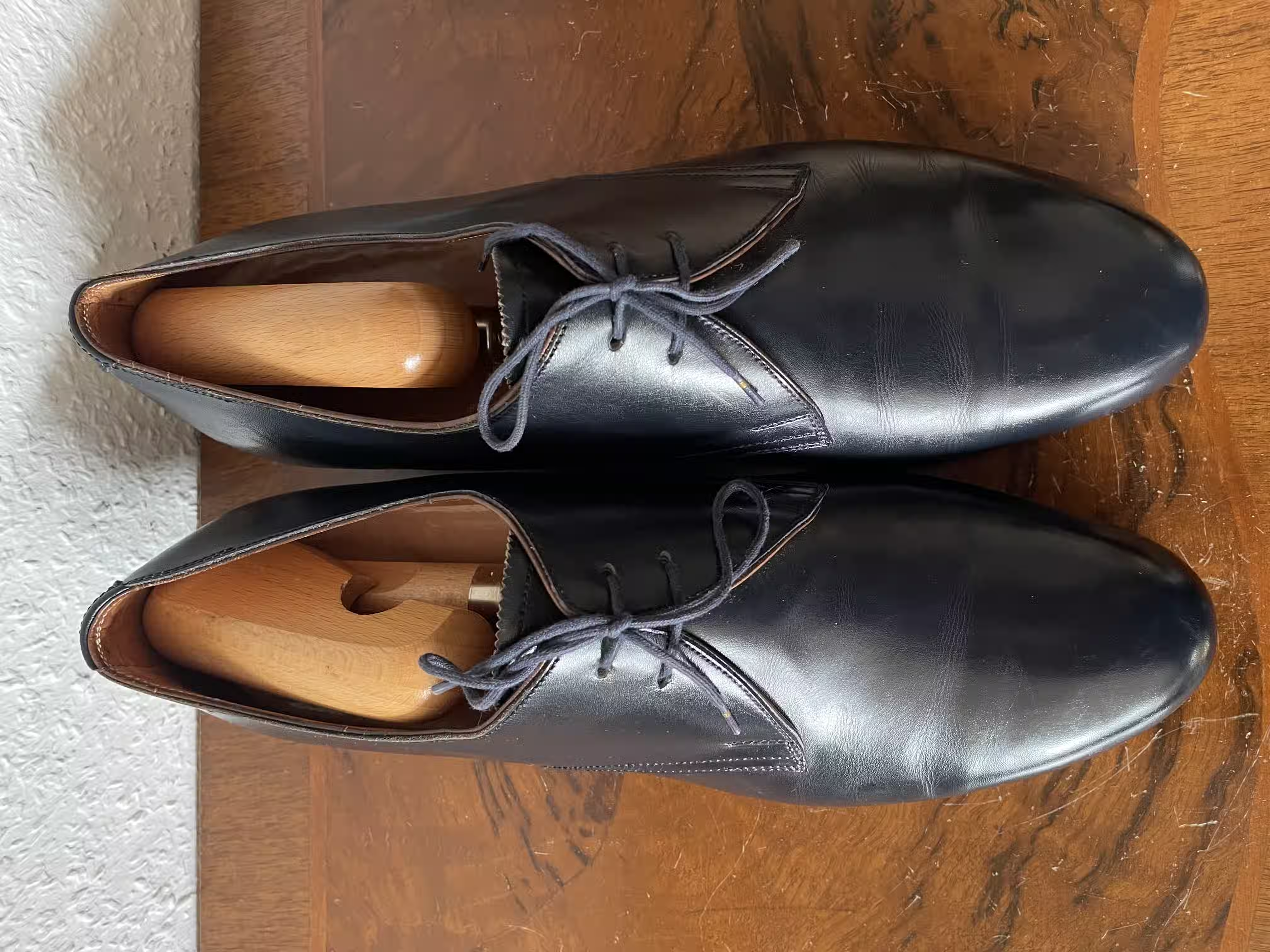
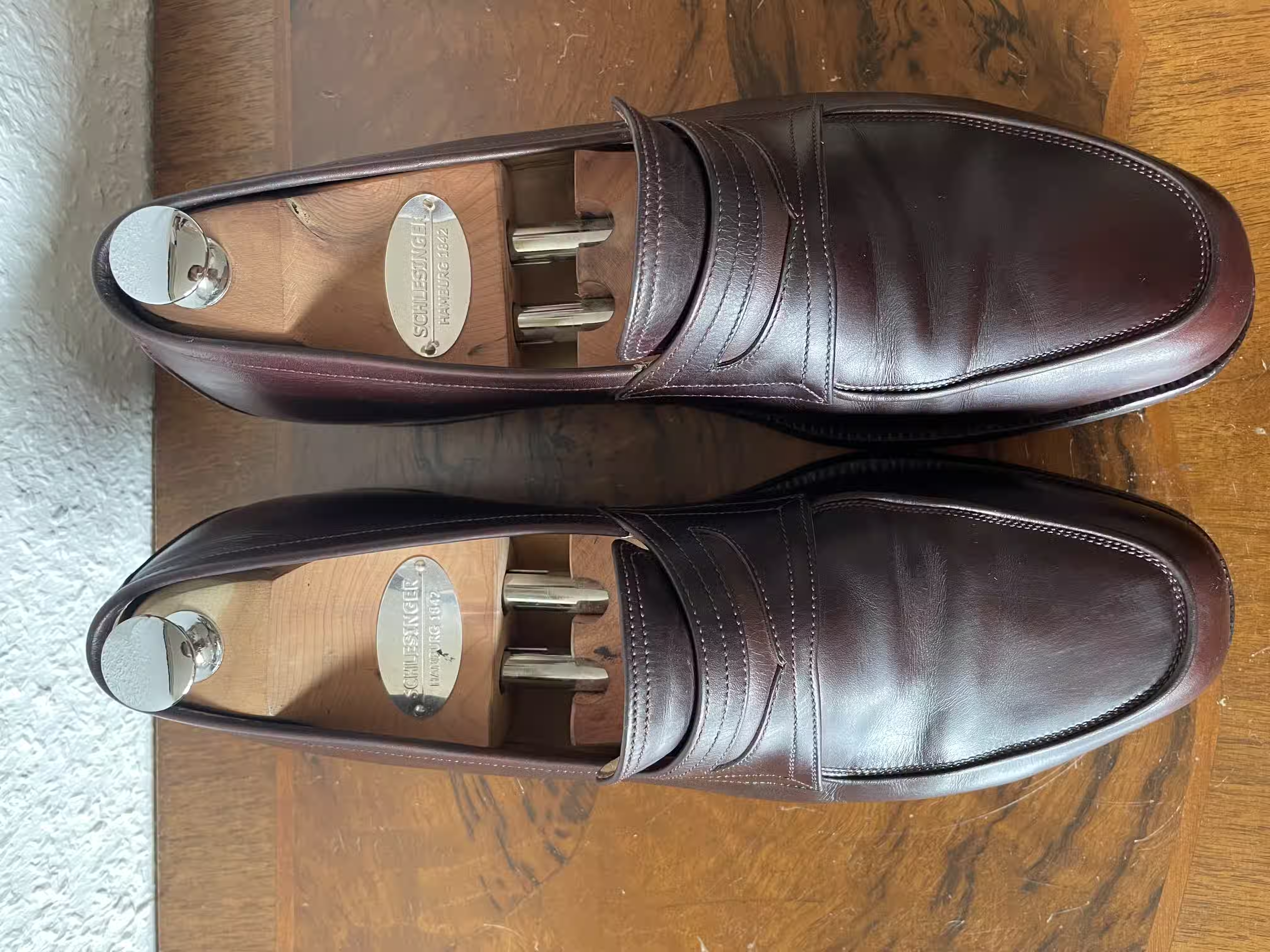
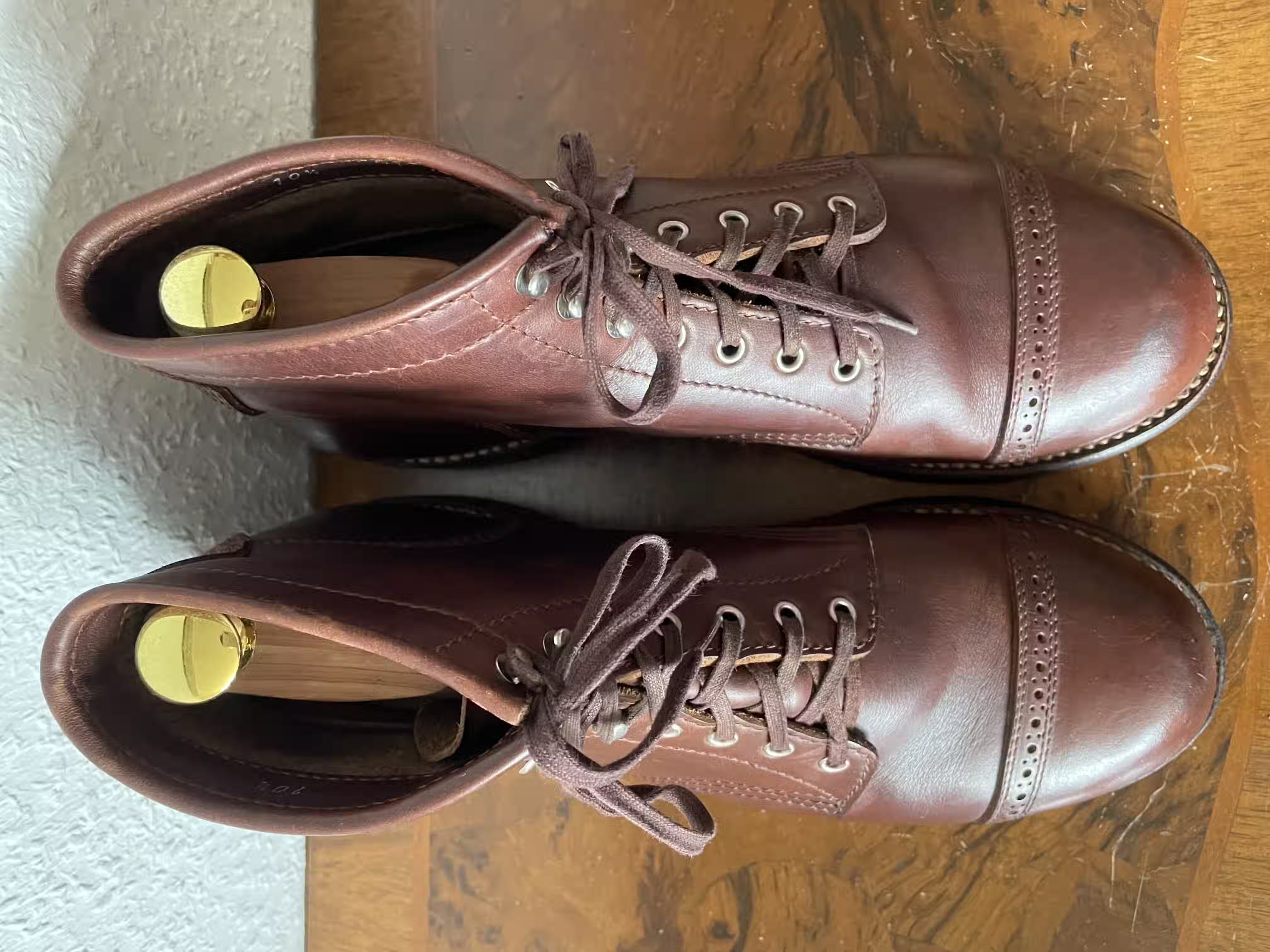
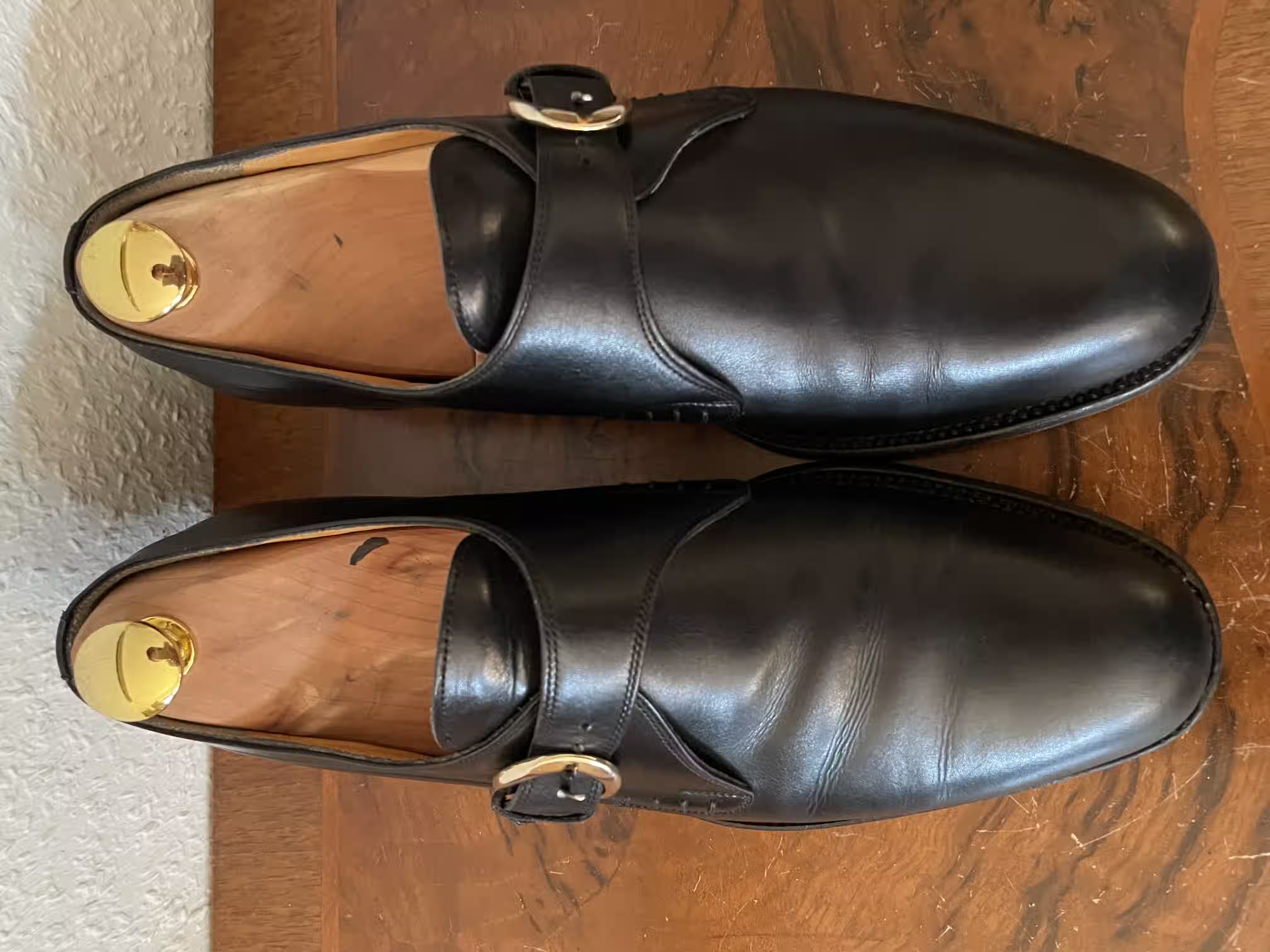
Many of the shoes presented in this blog are well-known classics from classic menswear. You can, for example, wear them quite well with a jacket and wool trousers. However, many classic shoes also go quite well with jeans, such as the so-called Norwegian shoes in the picture above.
So with classic men’s shoes, you have many possibilities and styles open to you. This is also helped by many details that bring enormous variation into your shoes. - These can be perforations, the color of the upper leather, or contrasting stitching.
But the variety of different models is also enormous.
.
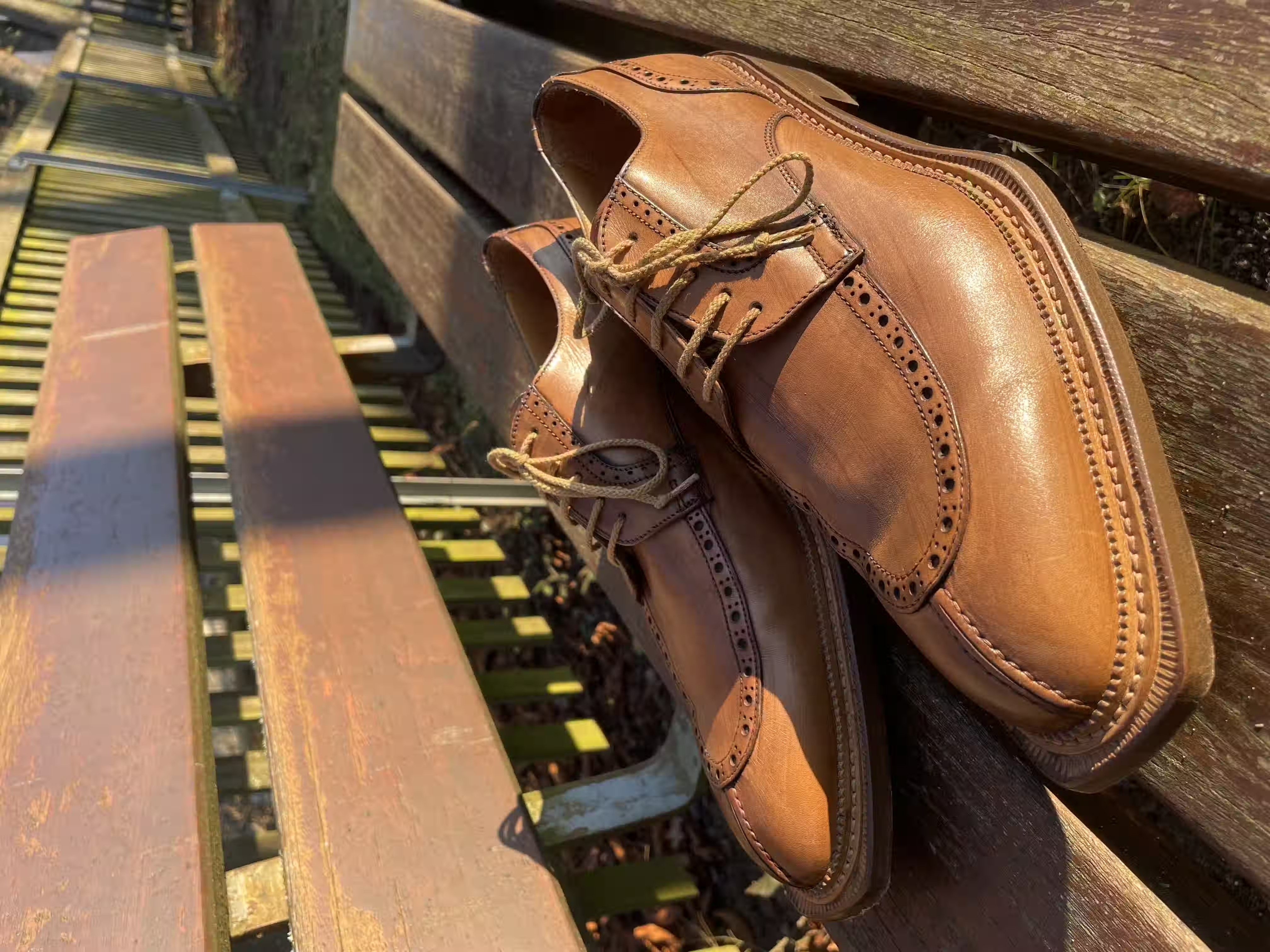
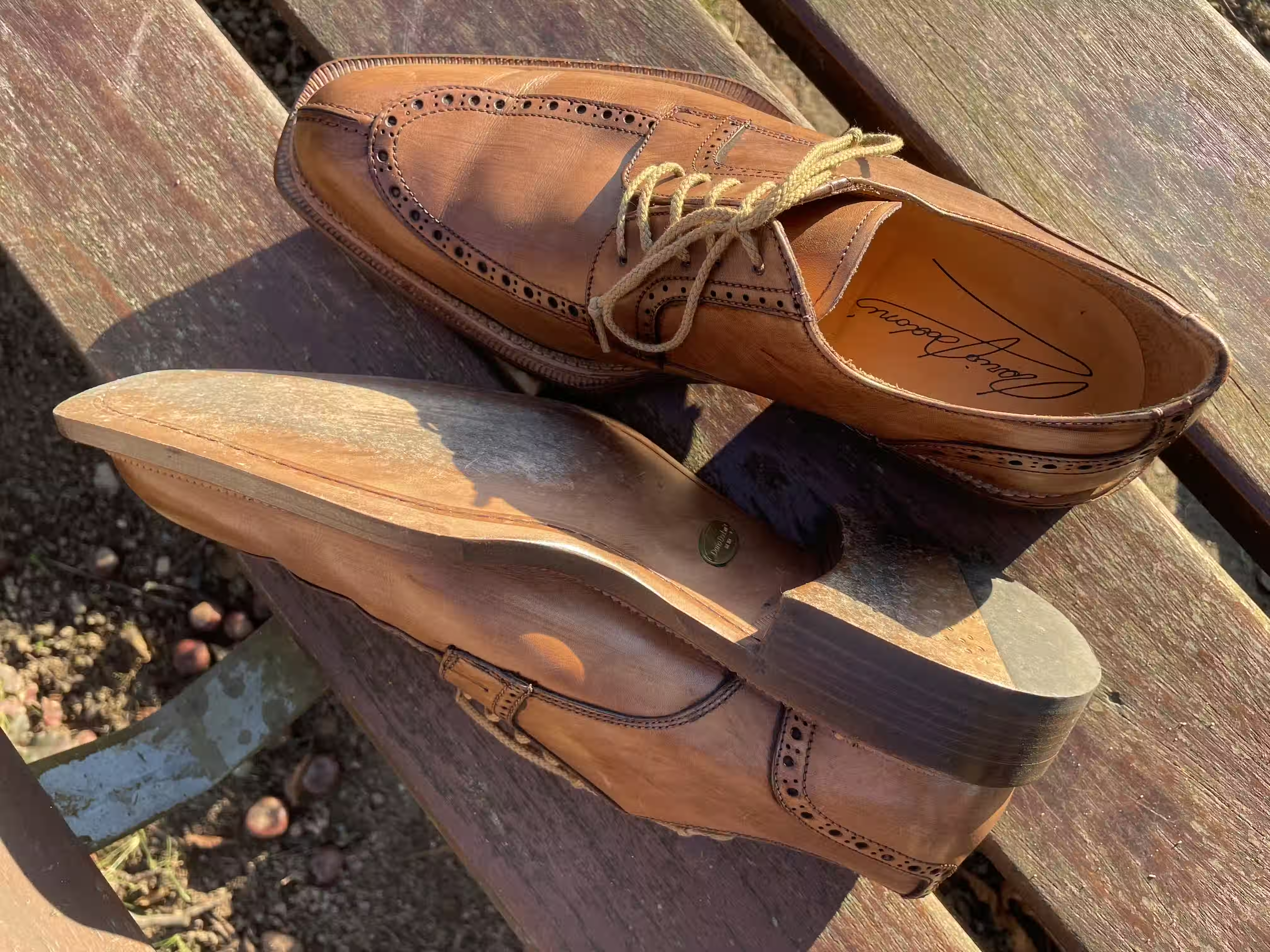
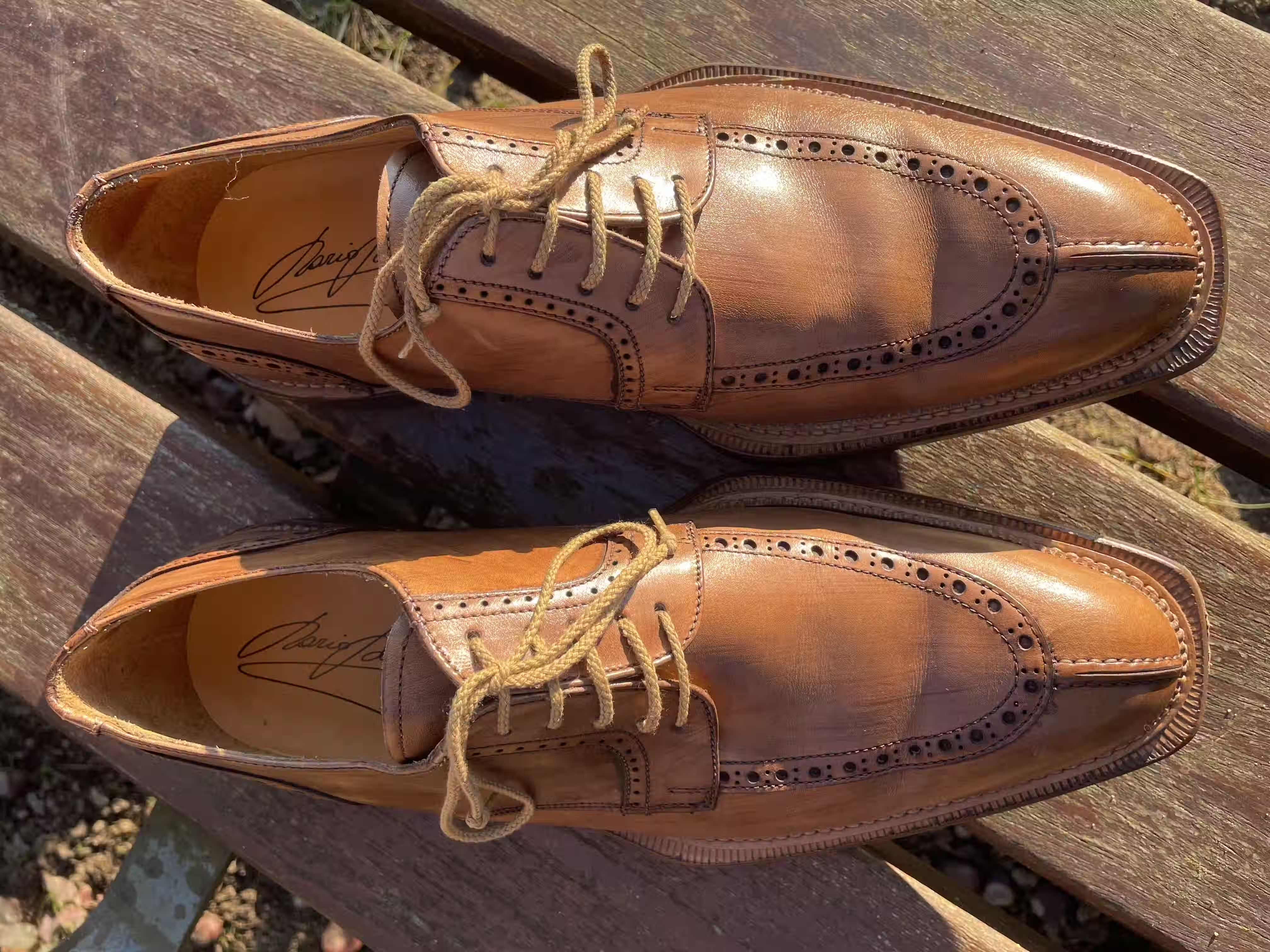
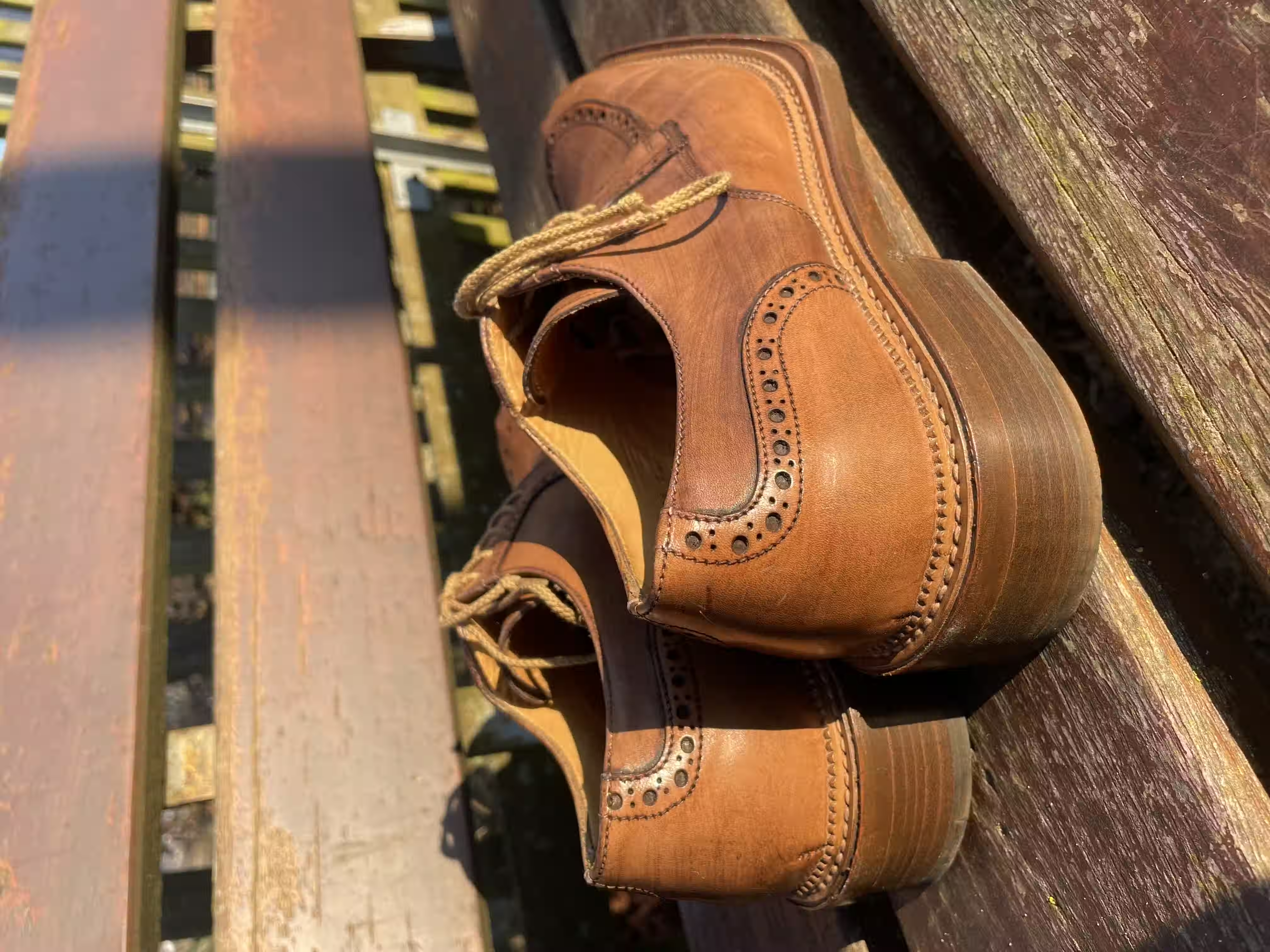
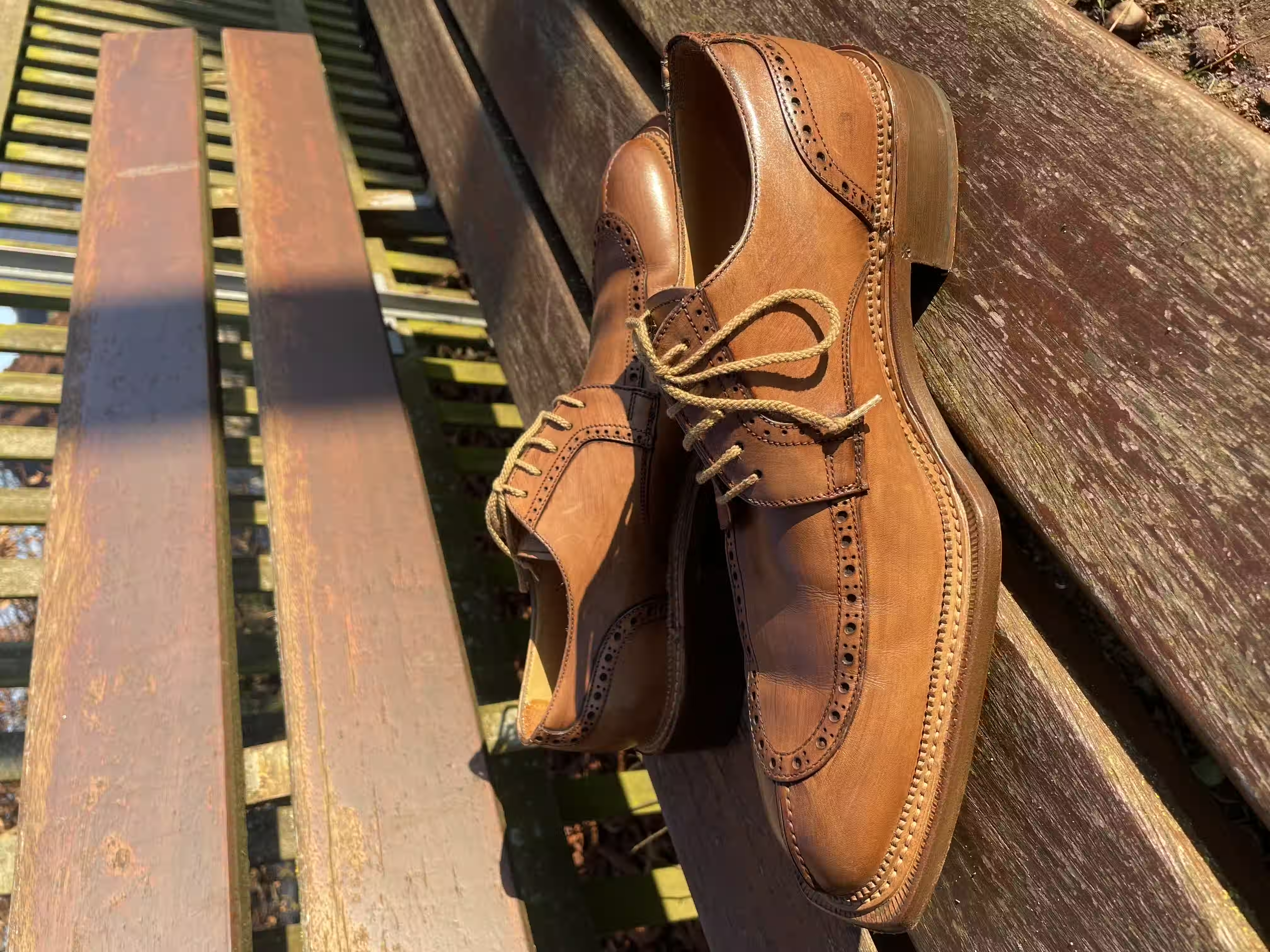
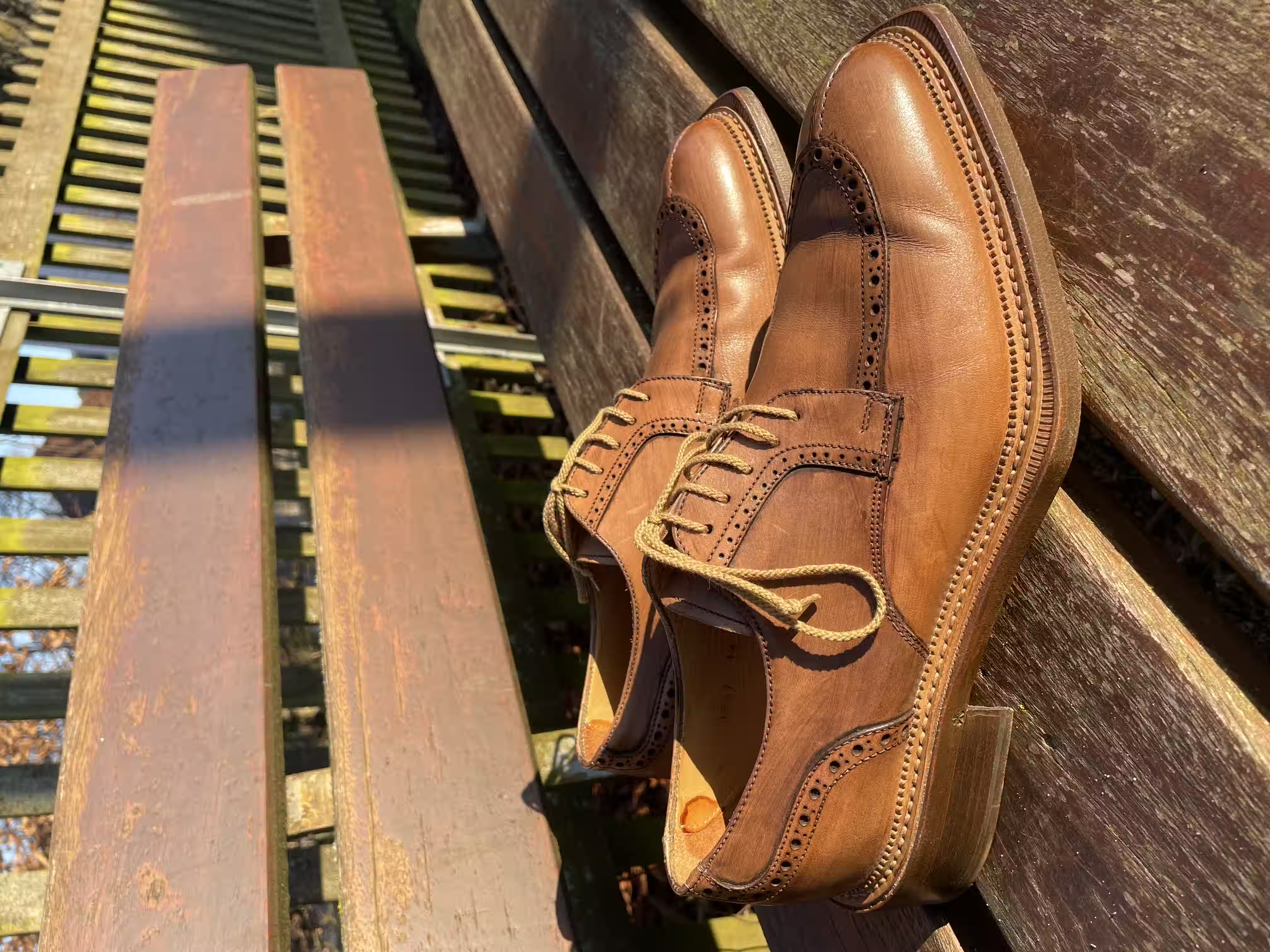
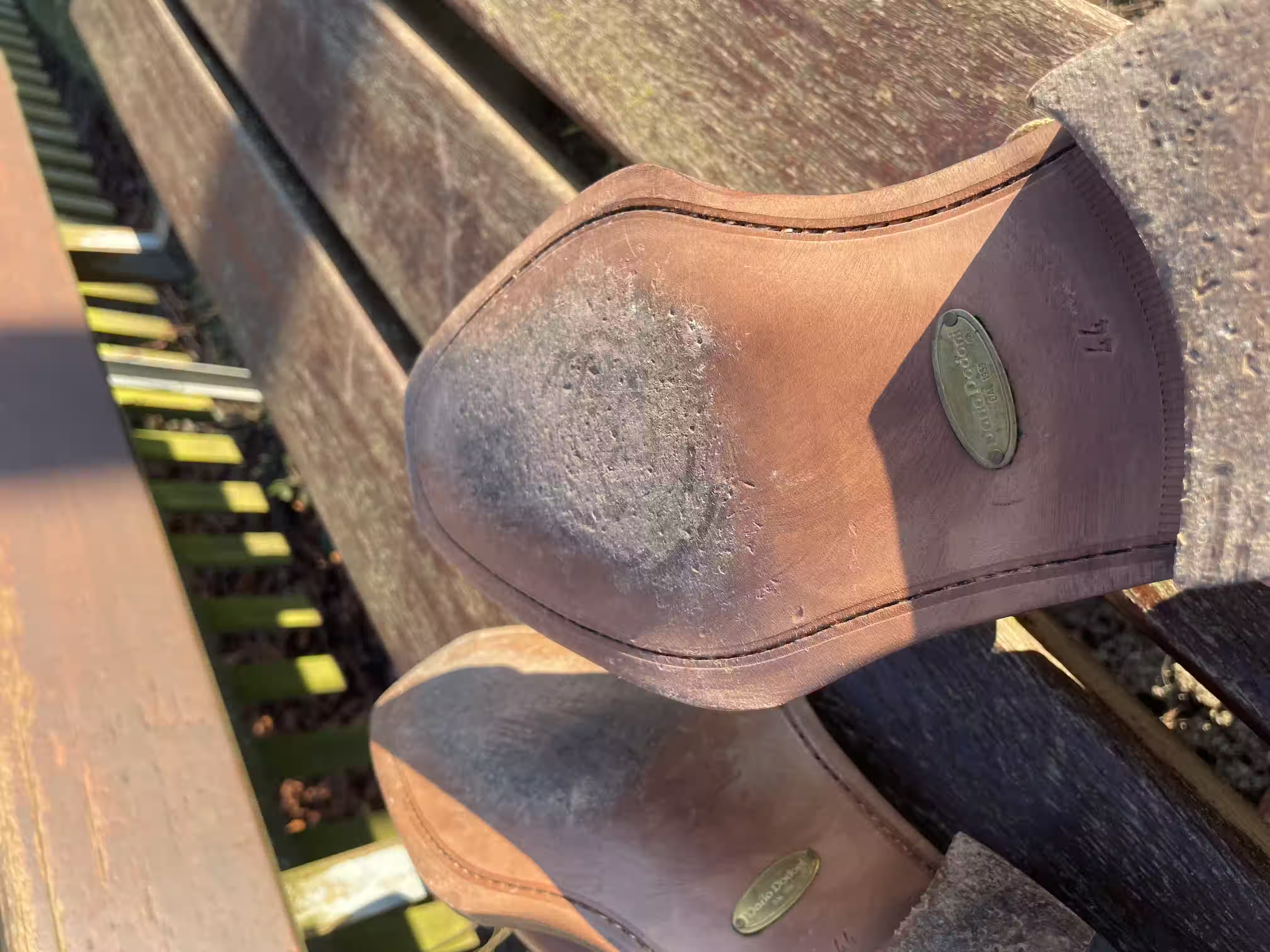
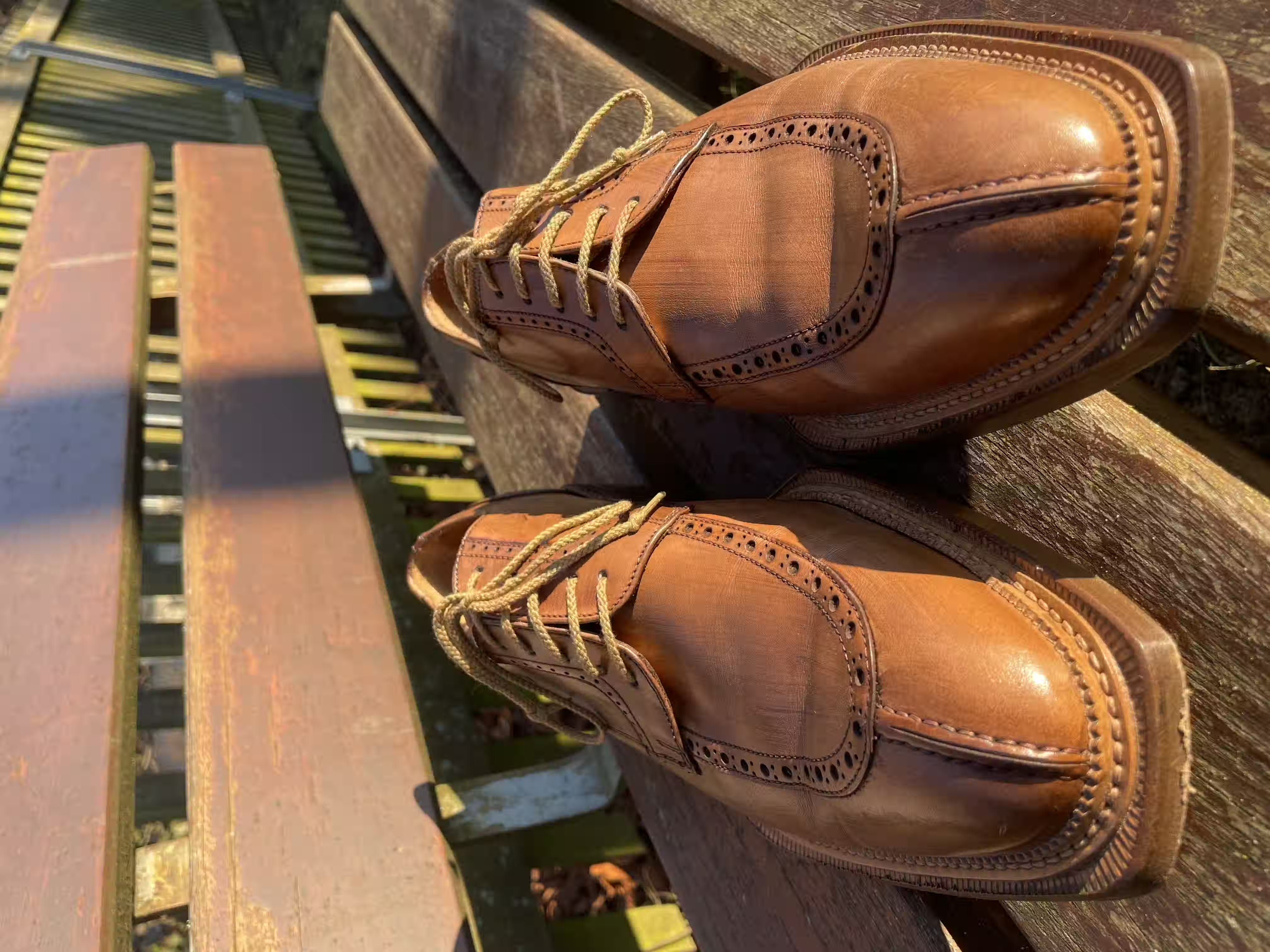
In my eyes, you can quite well use such shoes to replace your sneakers in everyday life. And with that, you get leather shoes that also look more elegant than the usually bulky sneakers.
Leather shoes are fine and good - but what for art?
For me, truly well-executed shoemaking is simply a craft of art. I can immerse myself in videos about handmade leather shoes and enjoy and admire the manufacturing process there. For me, it is like a completely new, separate world in which the focus is not primarily on speed and efficiency, but on the beauty of the end product, a pair of carefully made leather shoes.
And I am sure that there are some shoemakers who see it that way too. That is the first aspect of why art is also part of this for me.
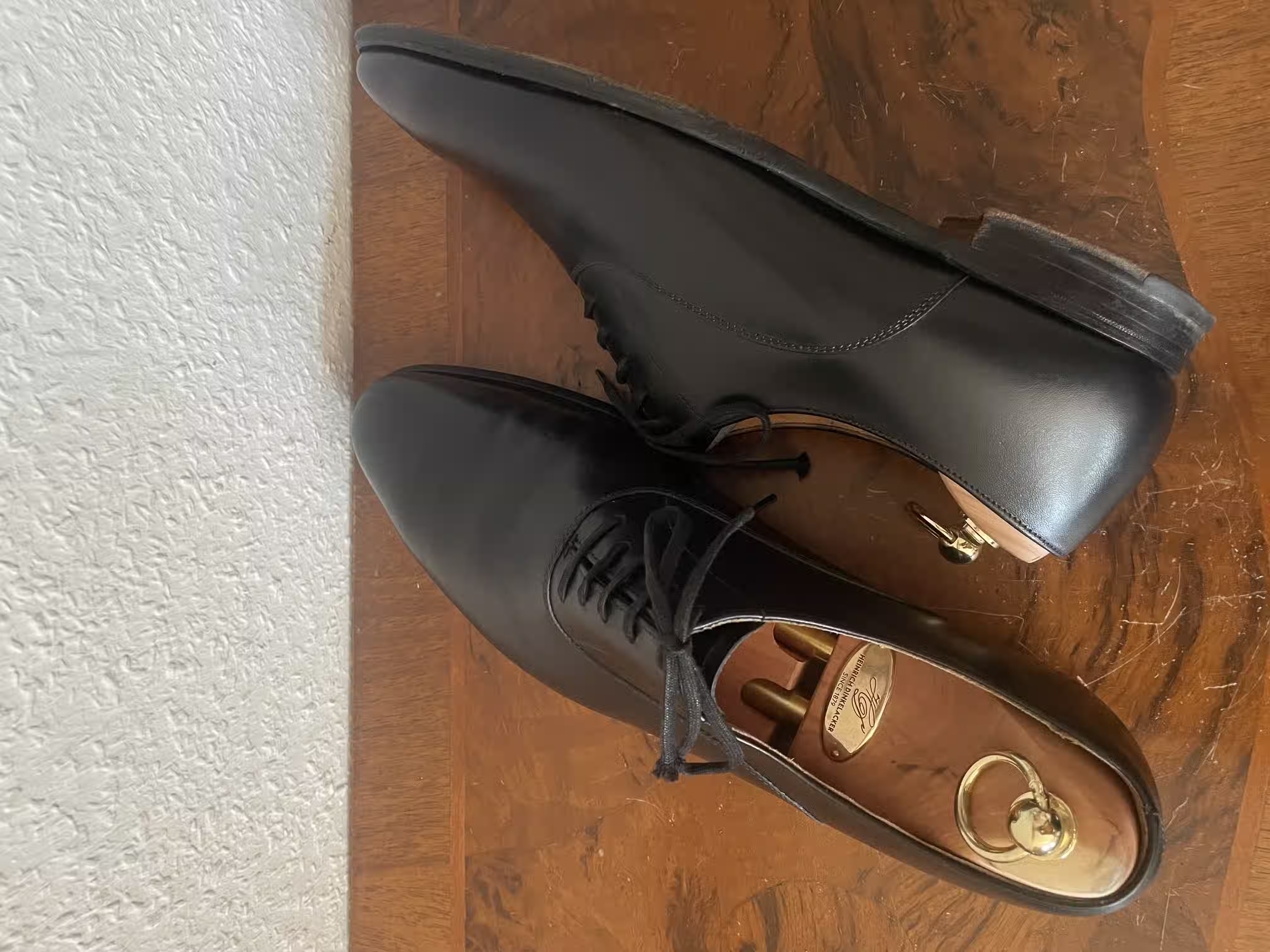
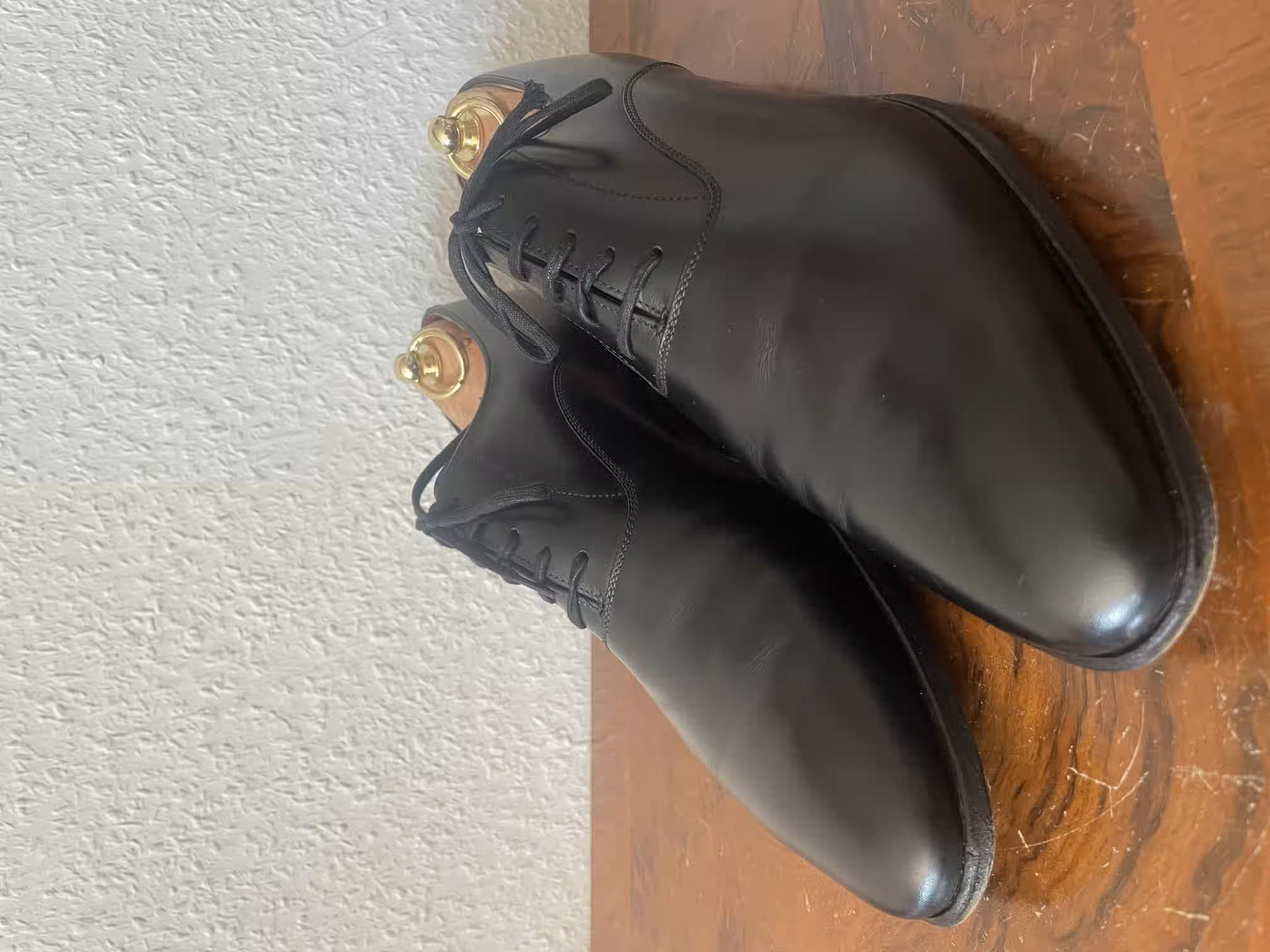
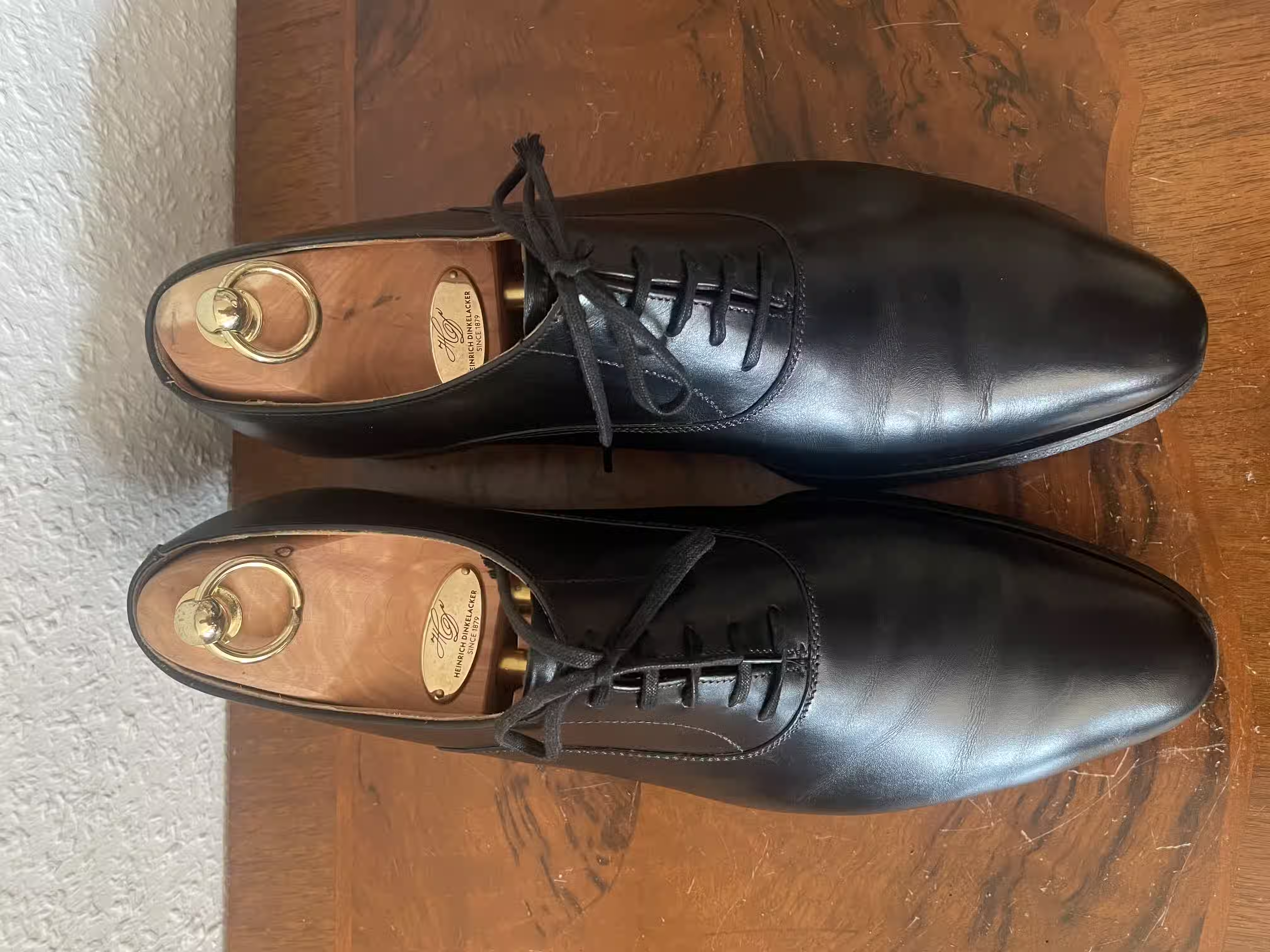
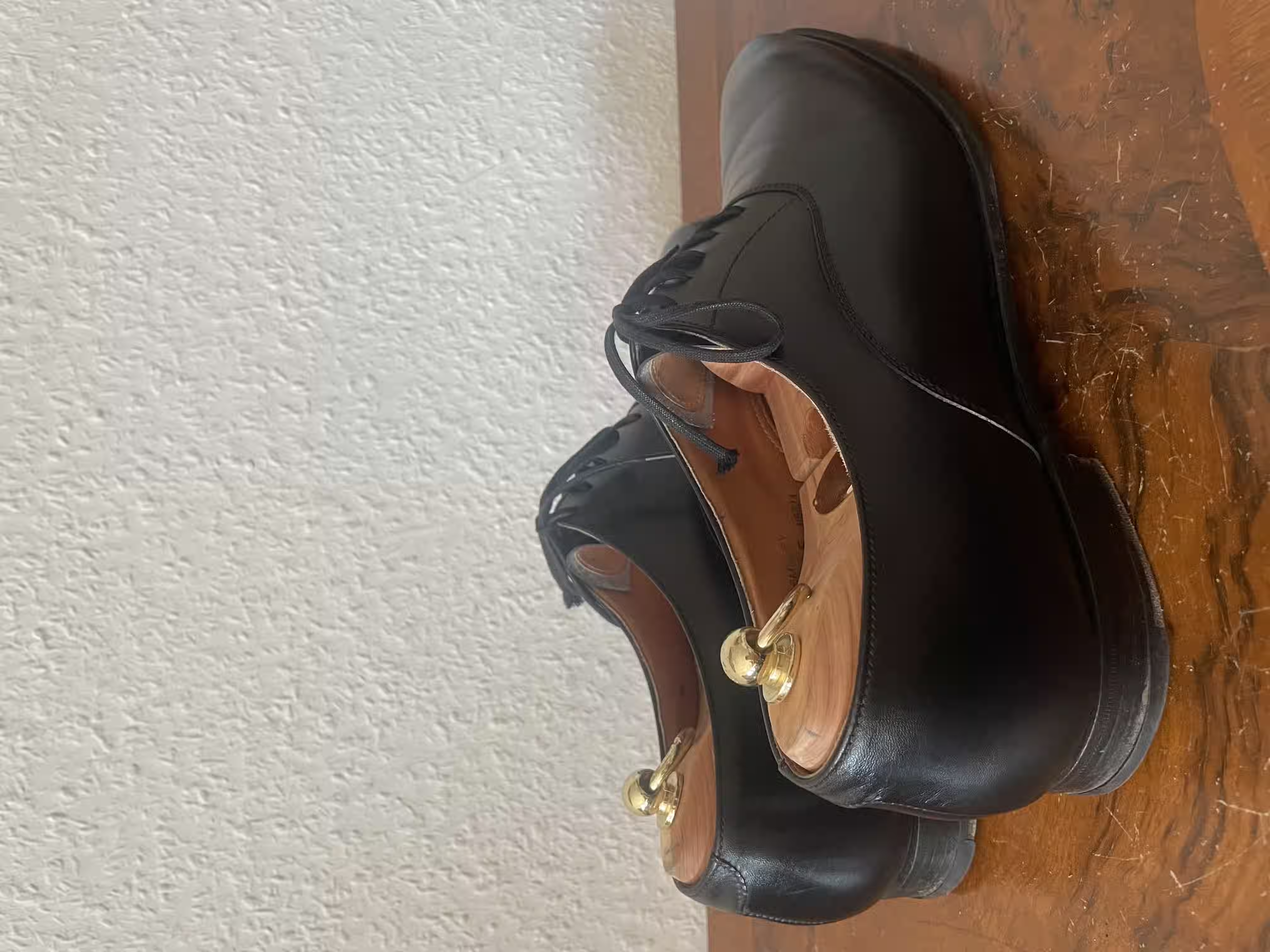
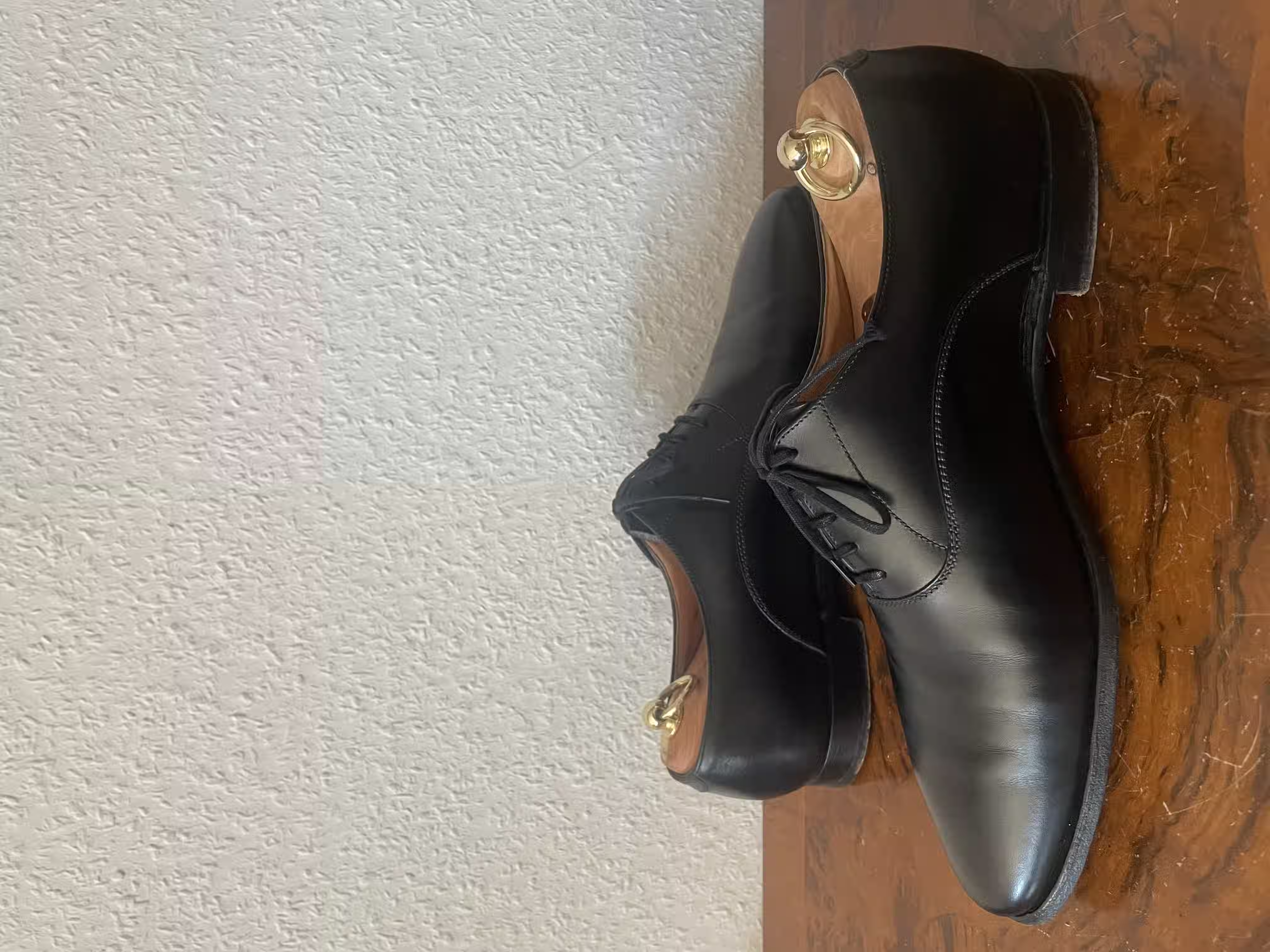
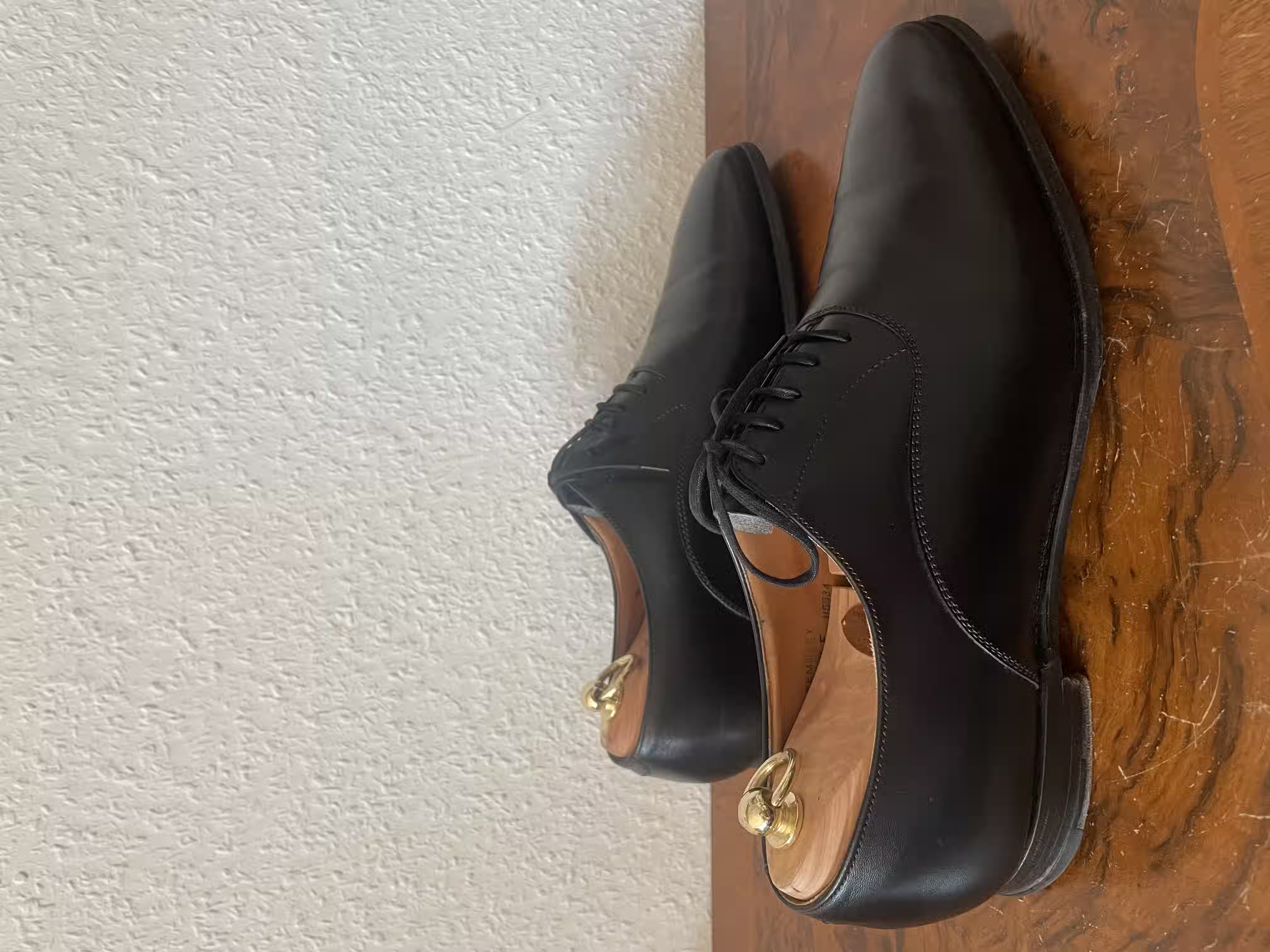
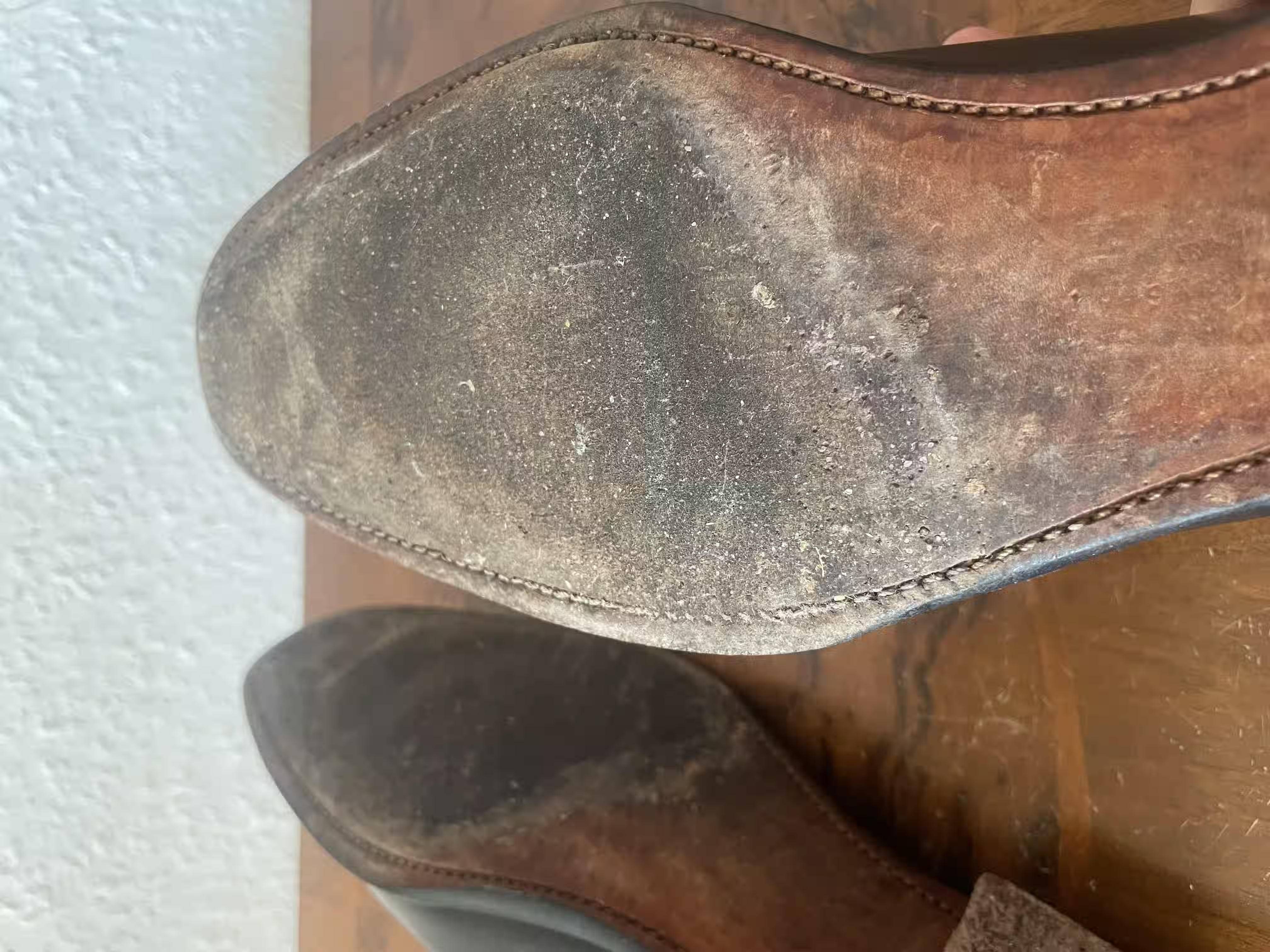
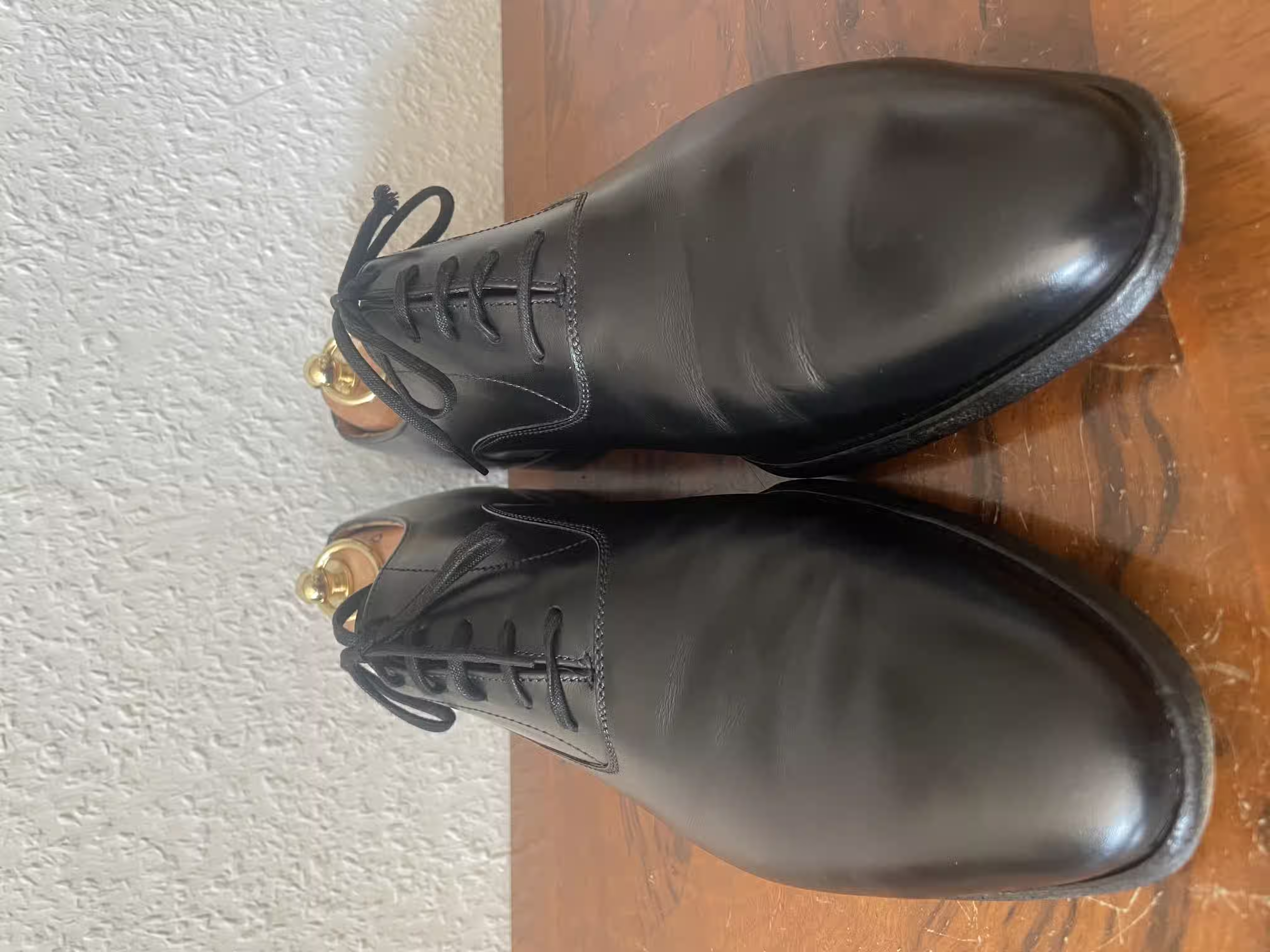
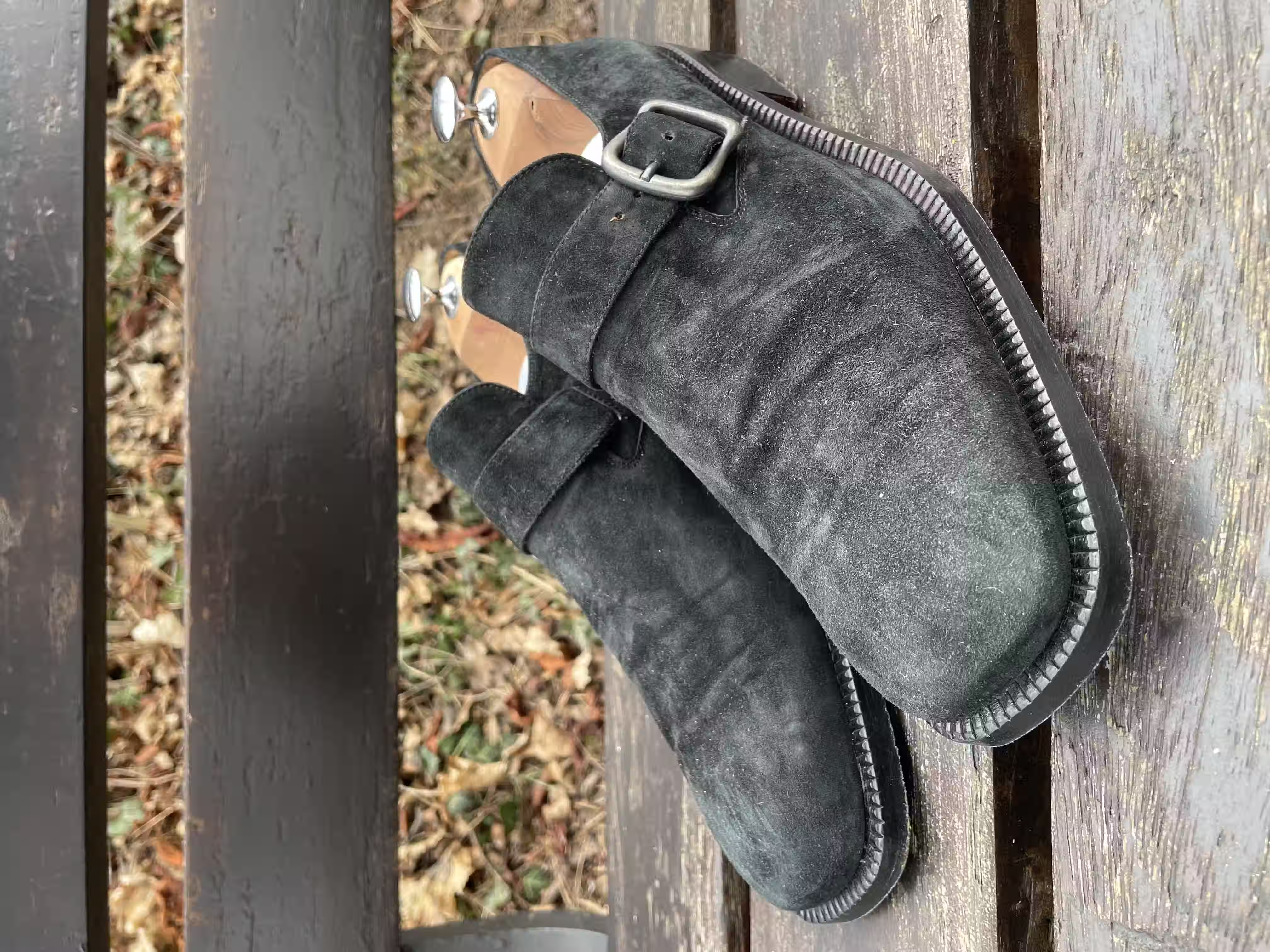
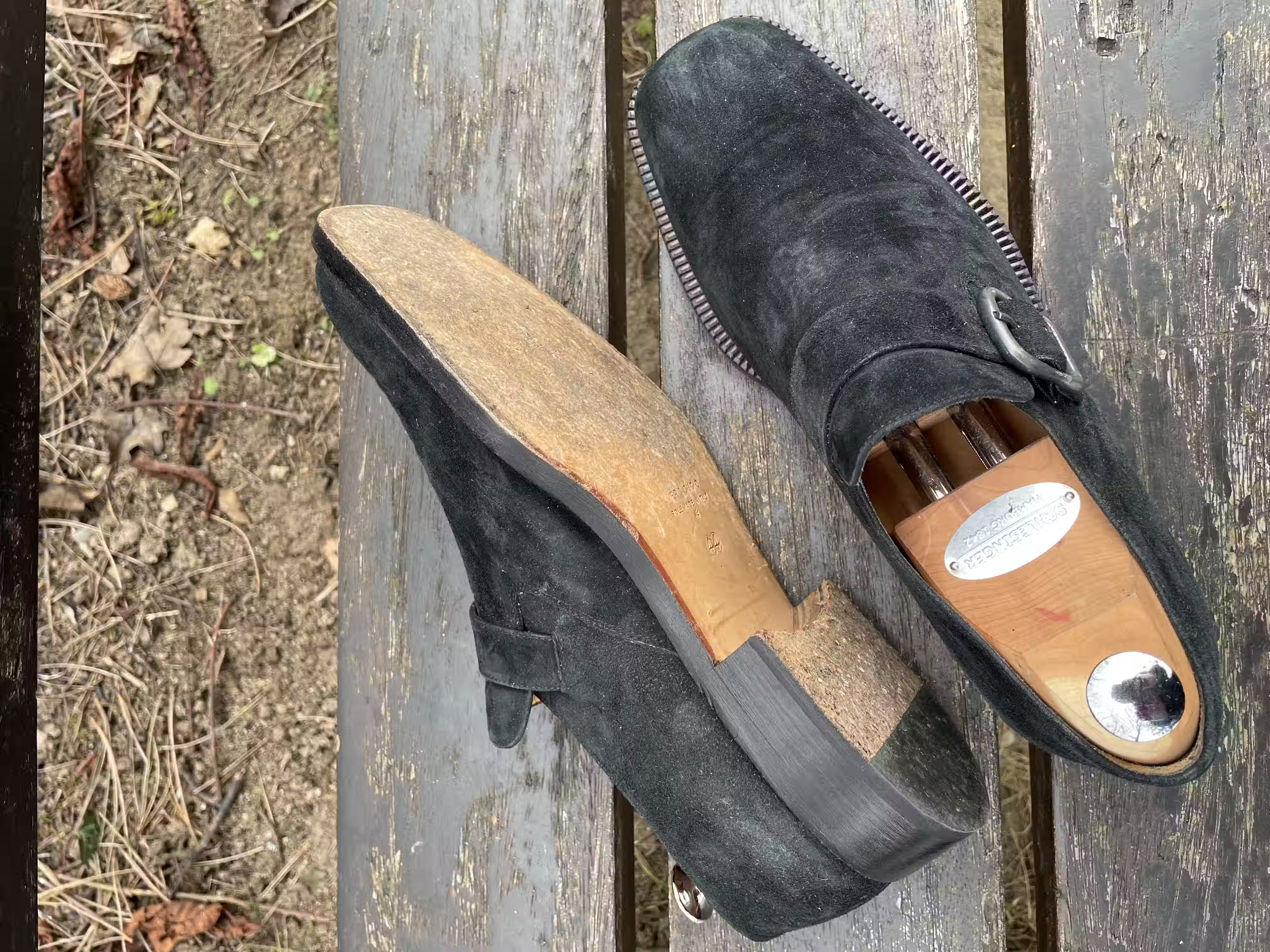
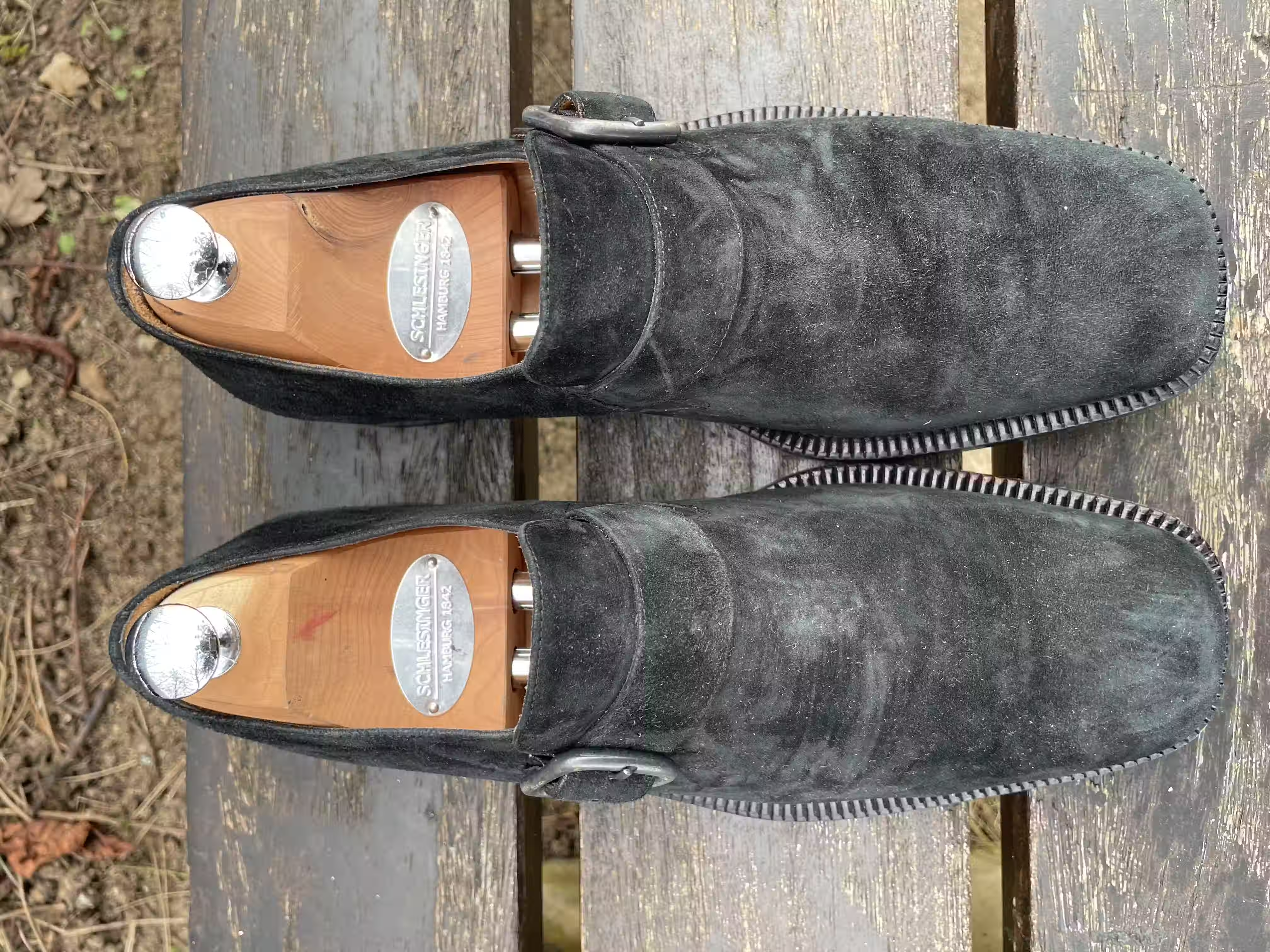
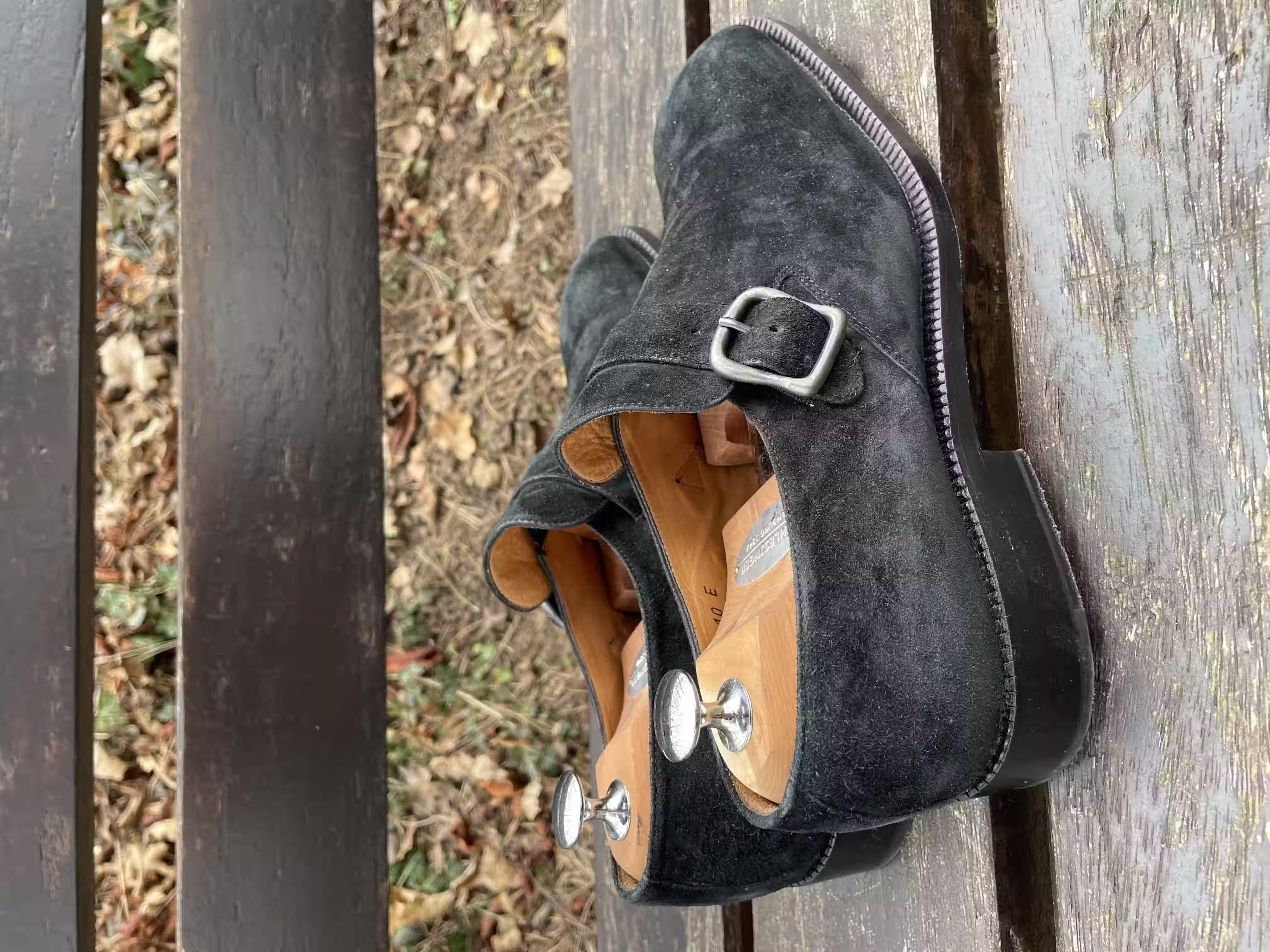
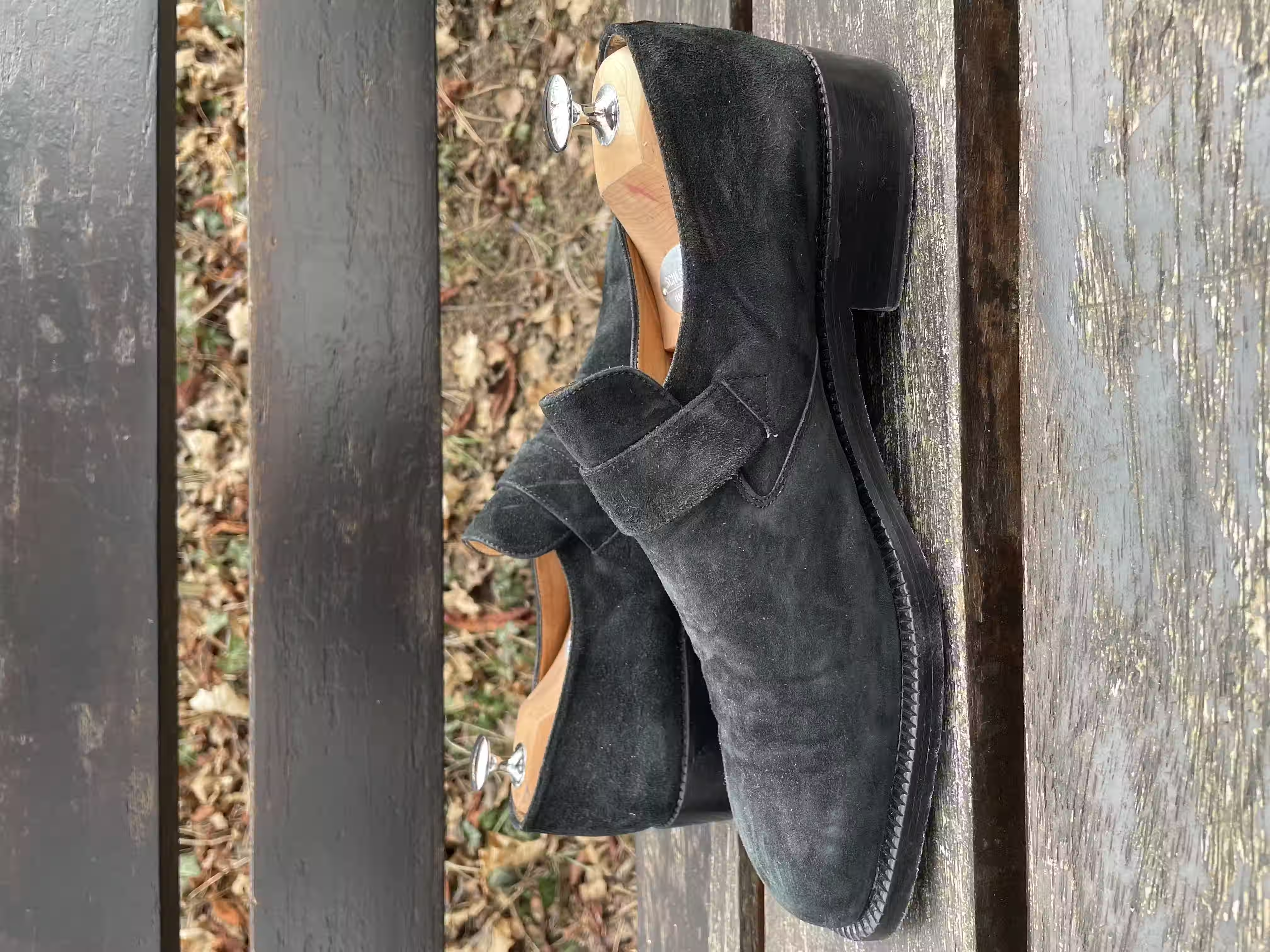
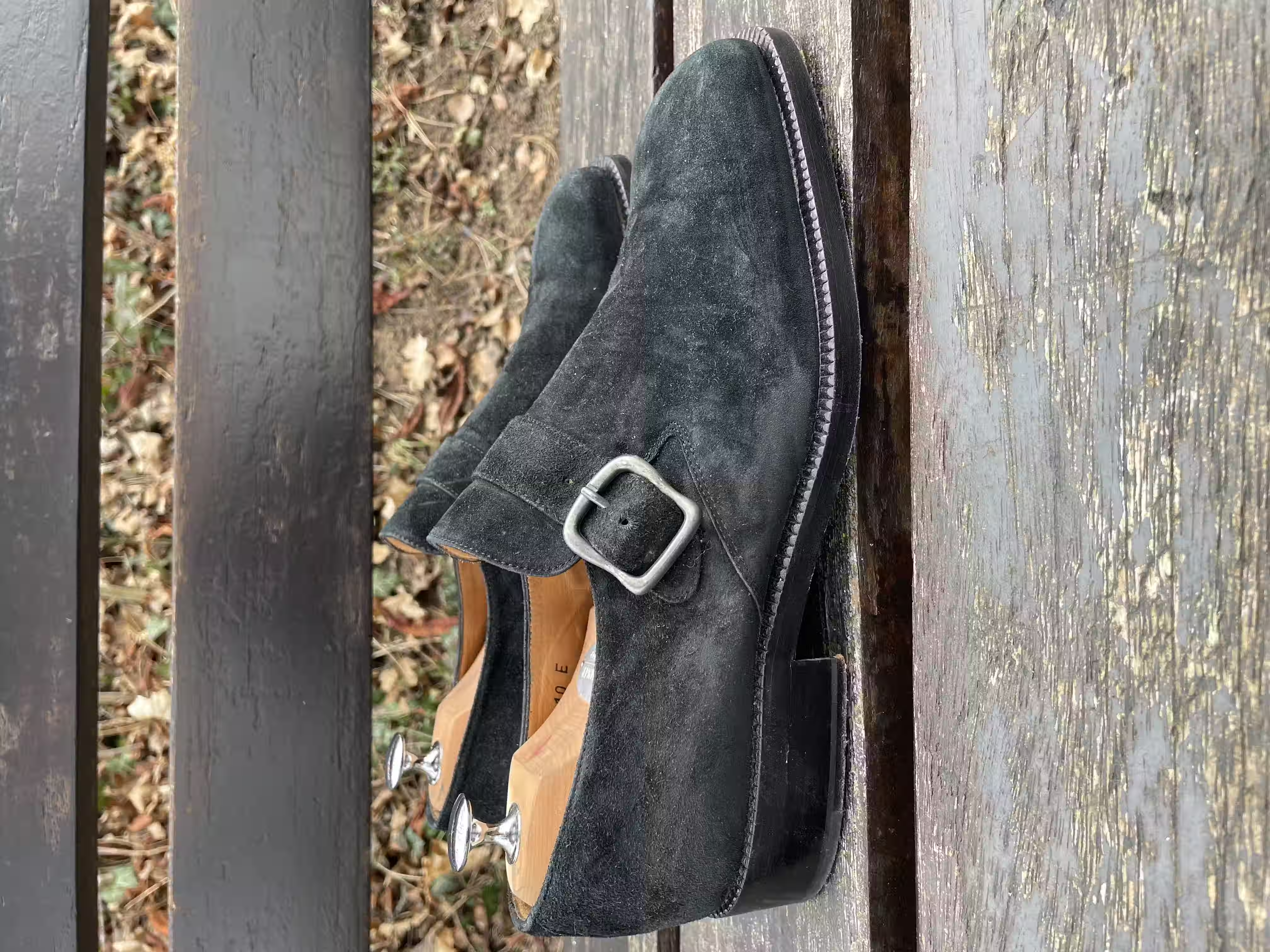
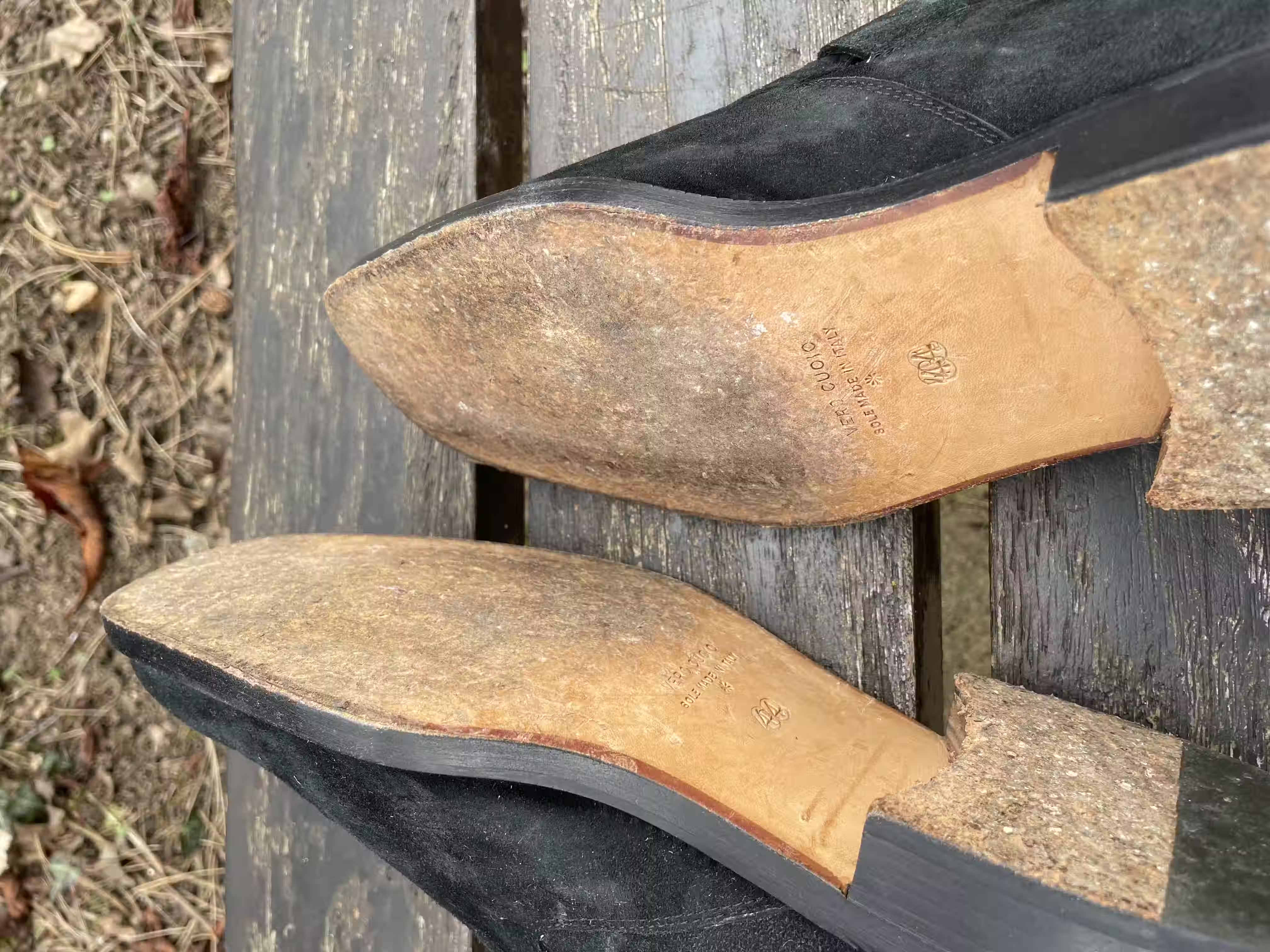
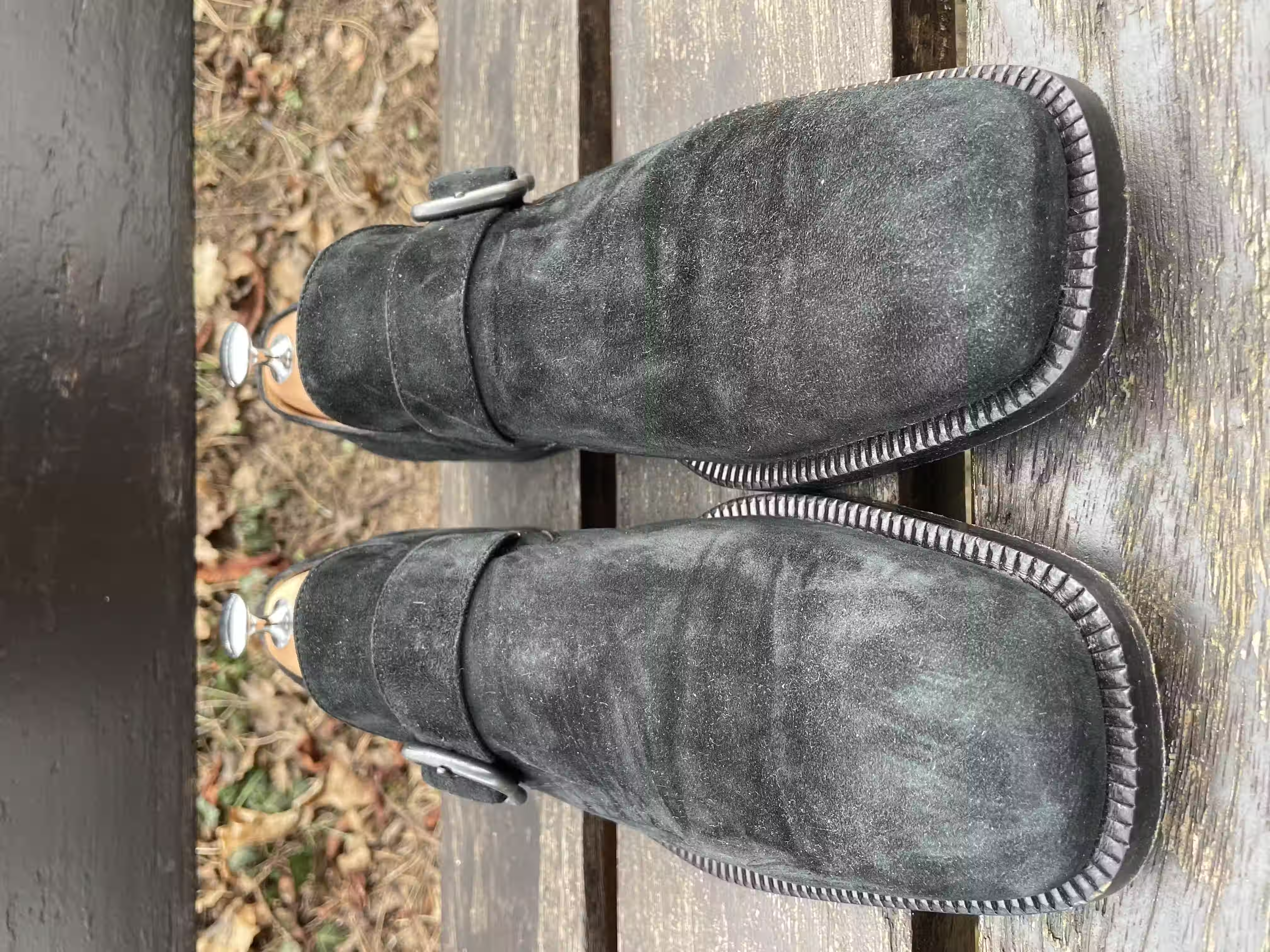
The second aspect lies in the art of dressing and designing an outfit, which also includes shoes. For example, you can dress tastefully for a specific occasion by choosing the right shoe model, along with color and leather. For very business-like purposes, an Oxford in black smooth leather is more suitable than a single monk in black suede with a wide buckle. And this aspect of the artistic expression of shoes is also something I want to share here on this blog.
Boots are shoes too
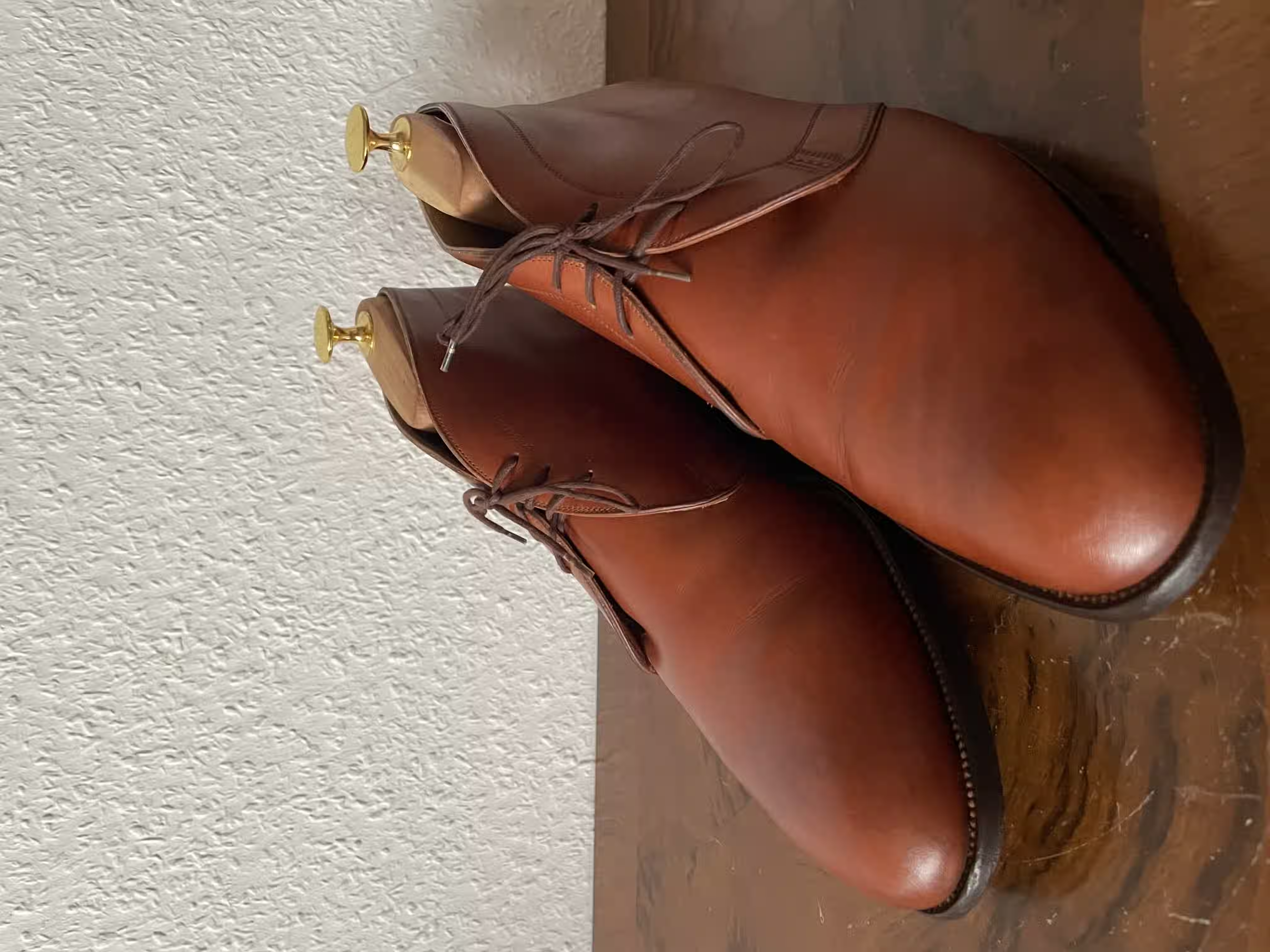
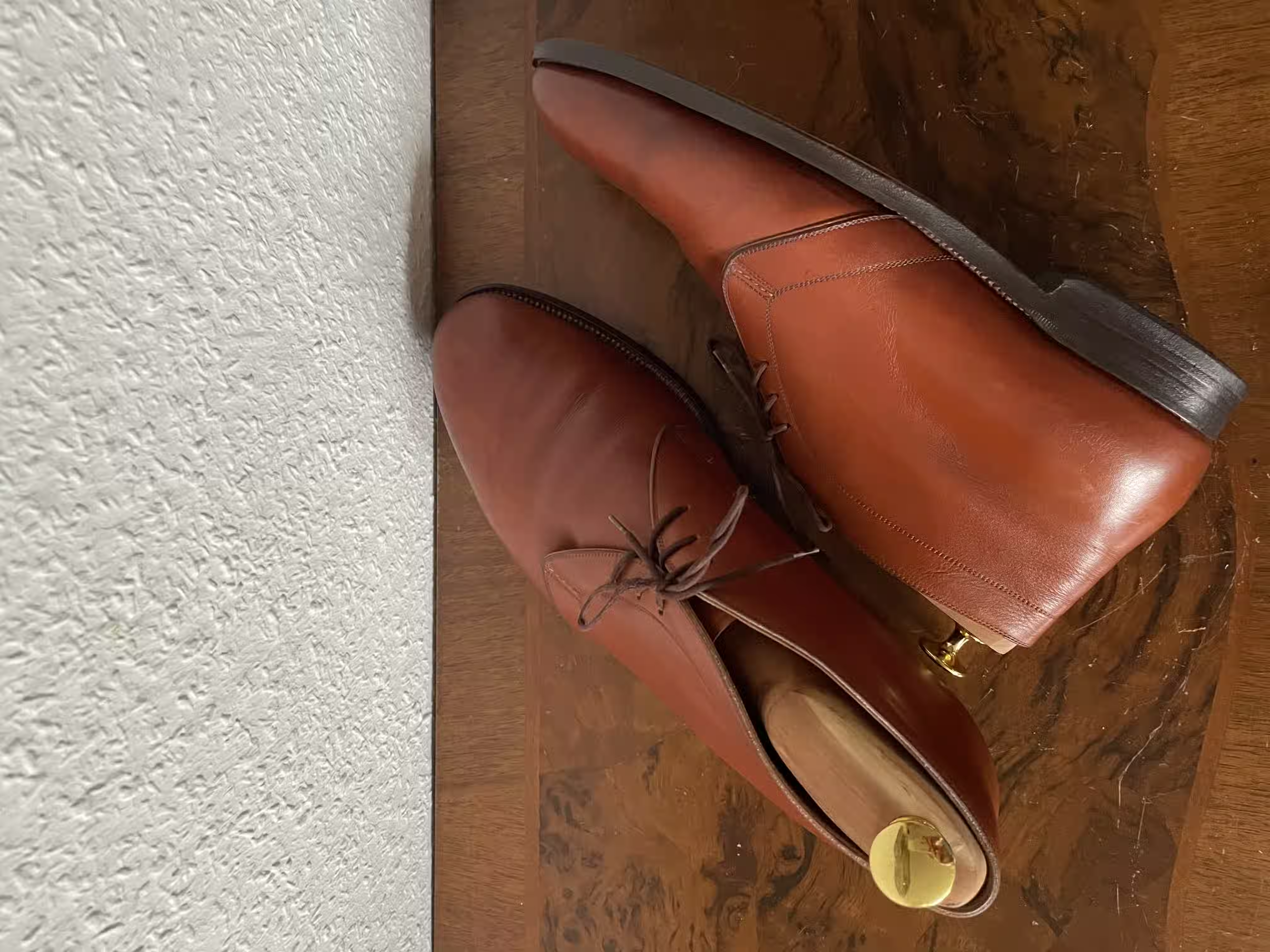
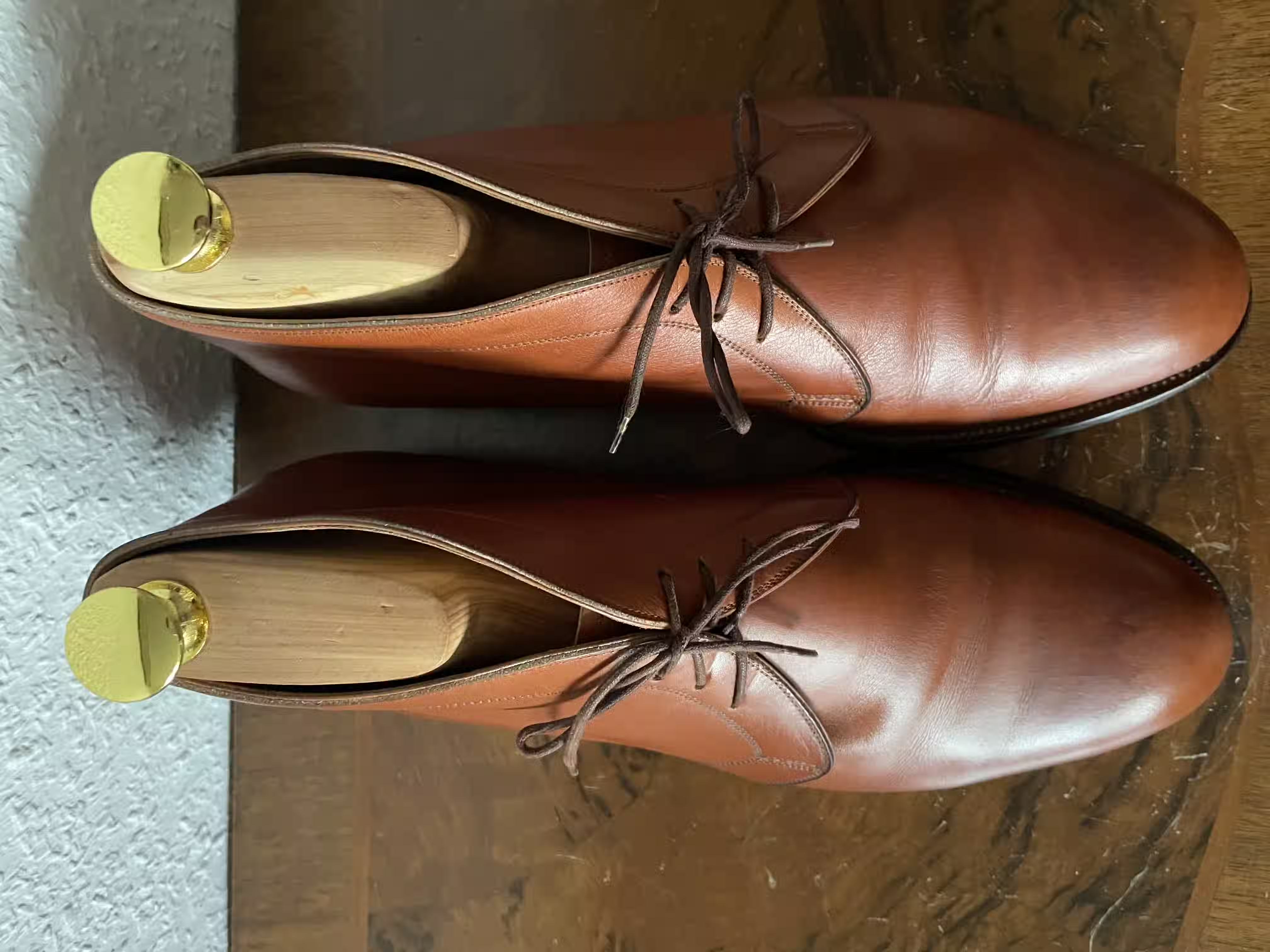
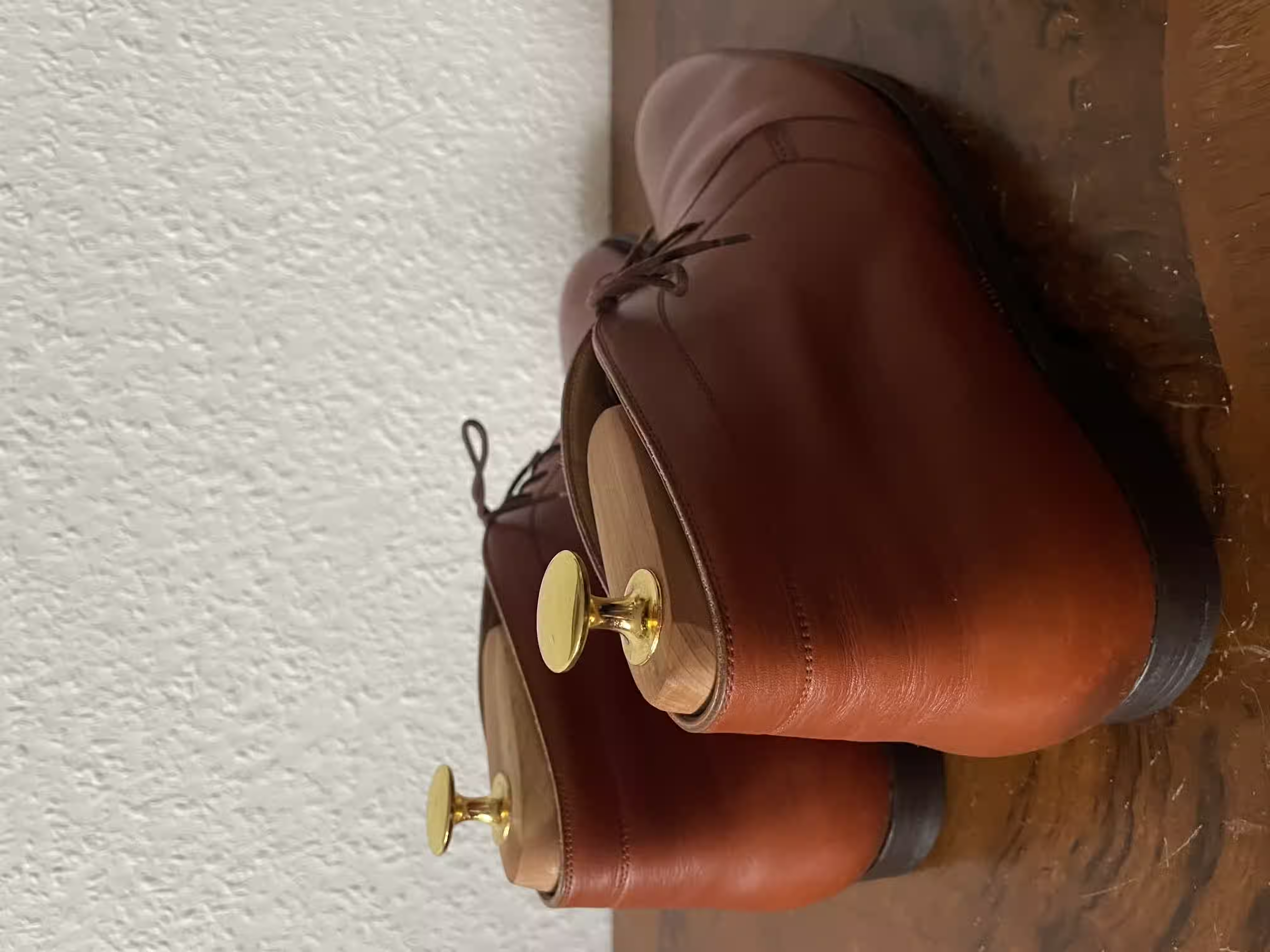
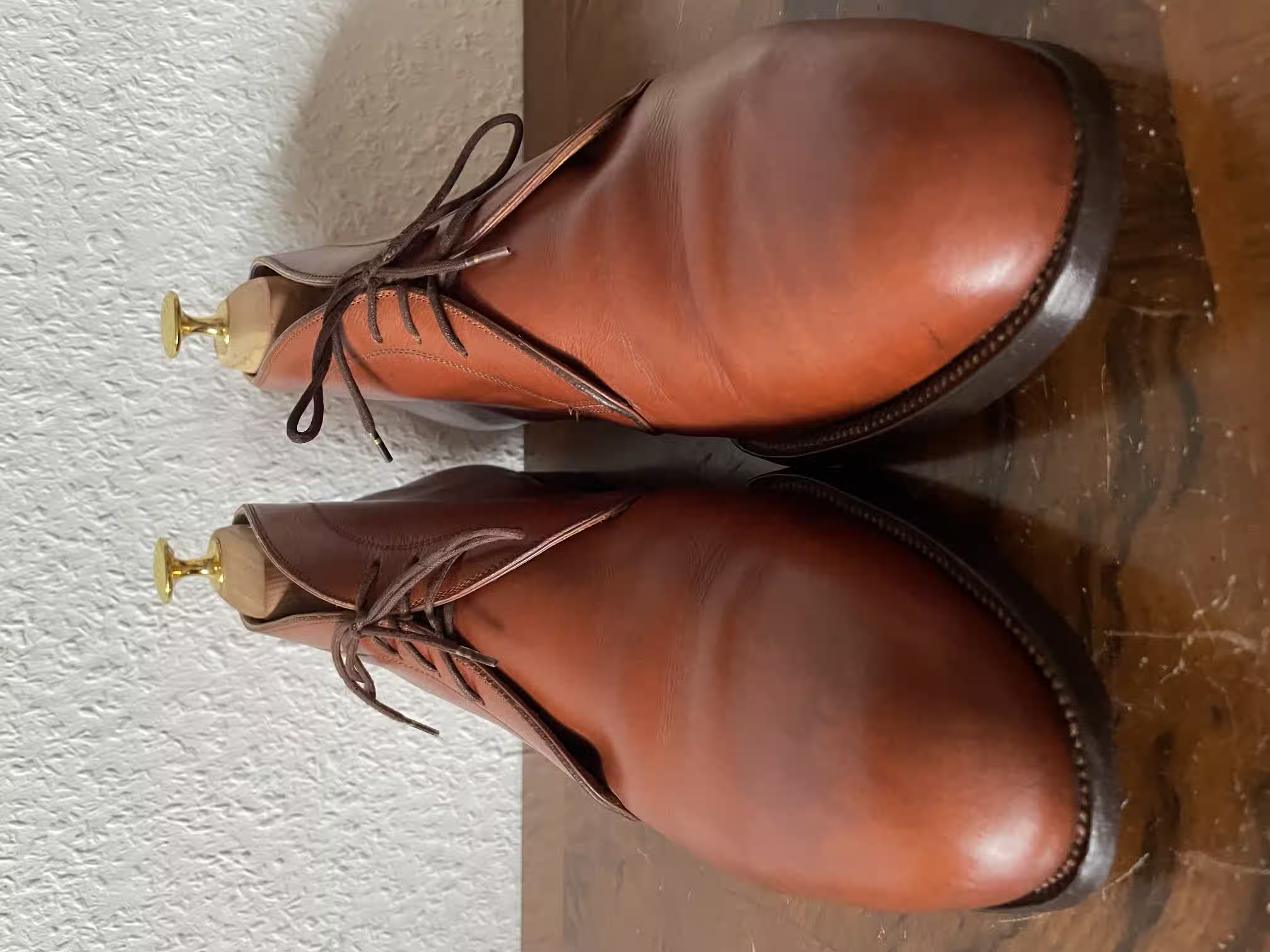
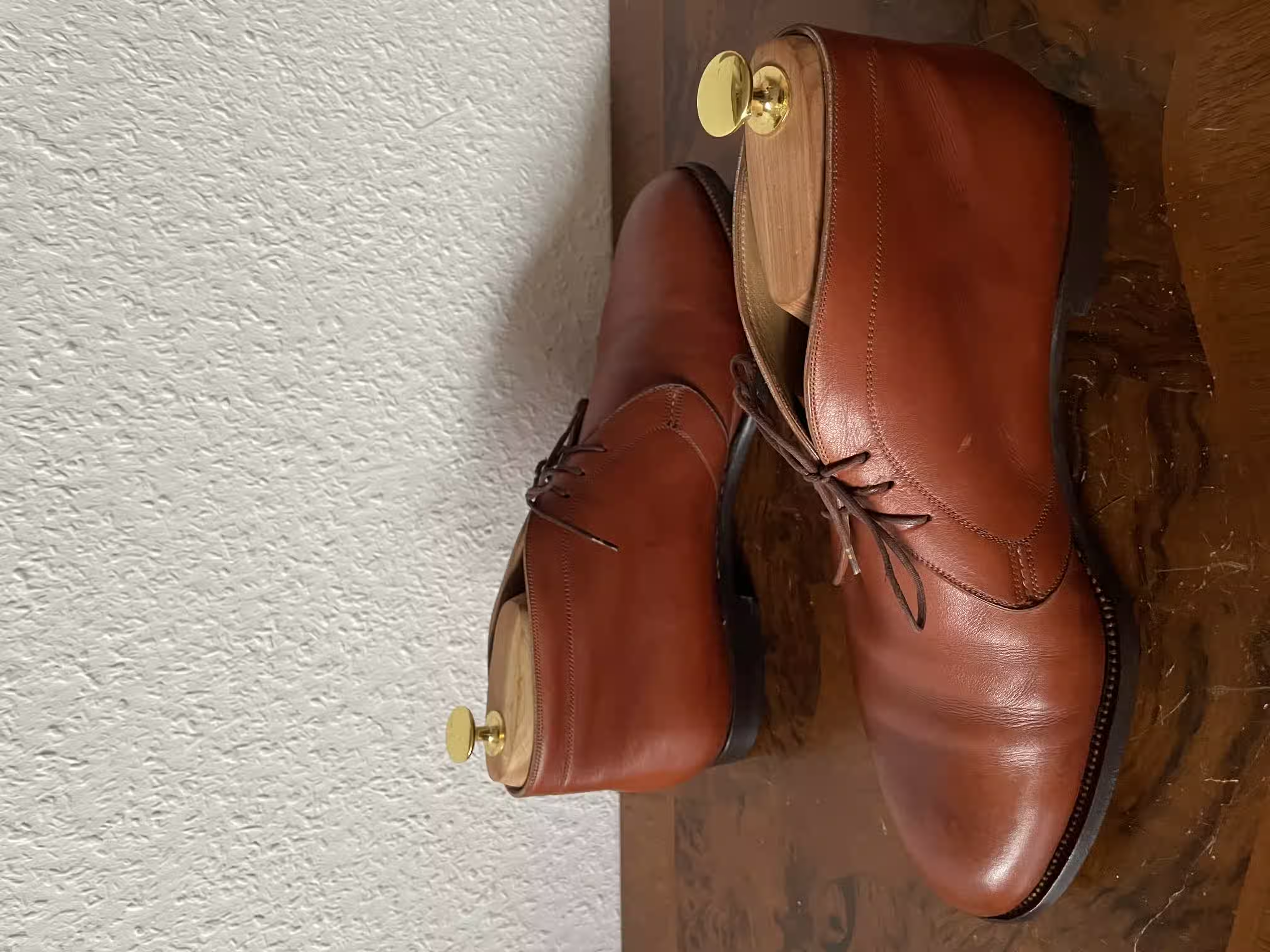
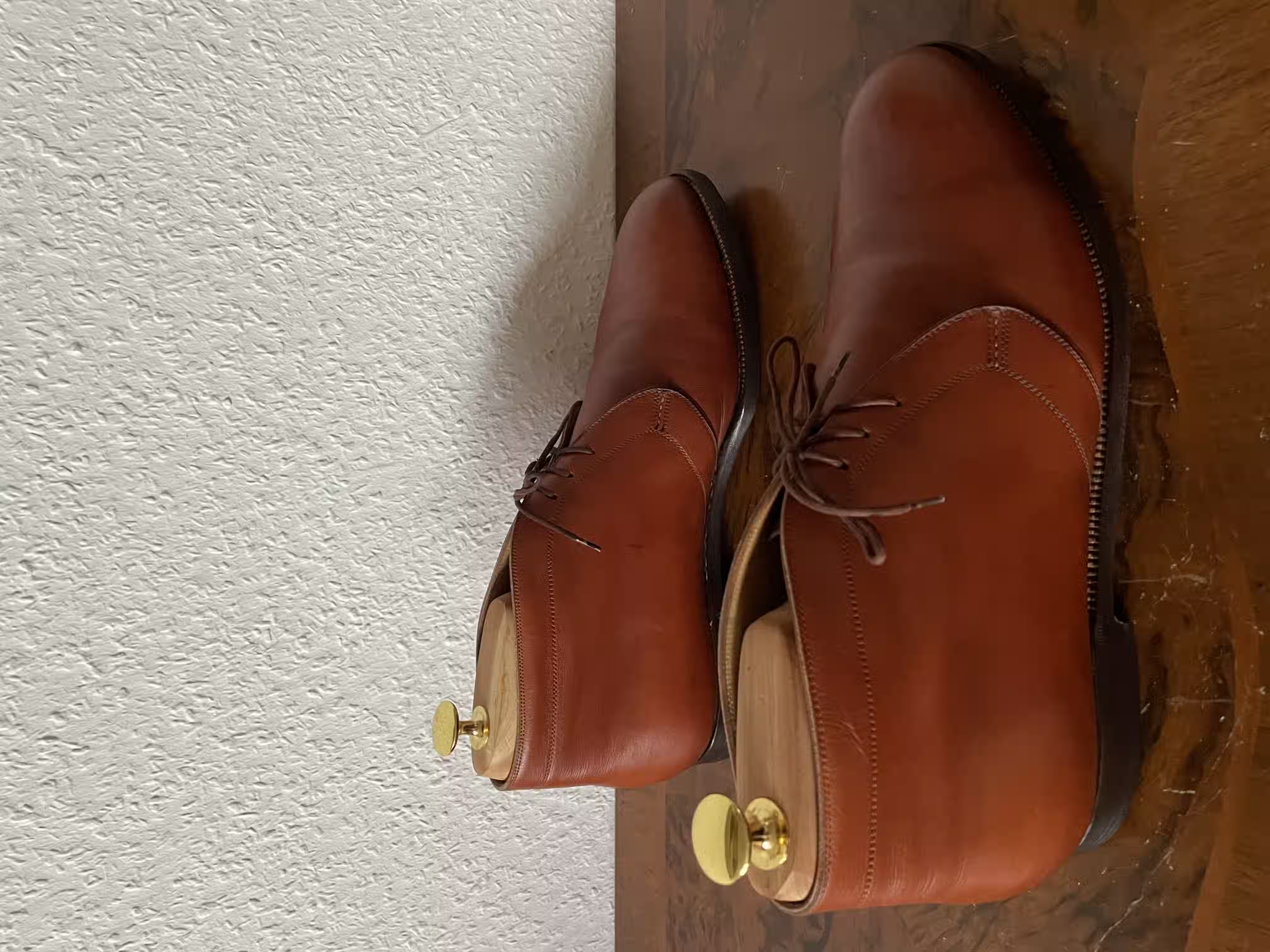
I also cover high shoes here: boots and ankle boots. Many are intended as seasonal shoes for the colder seasons, but some also make a lot of sense in the transitional season and on colder summer days. There are also more elegant boots for upscale occasions.
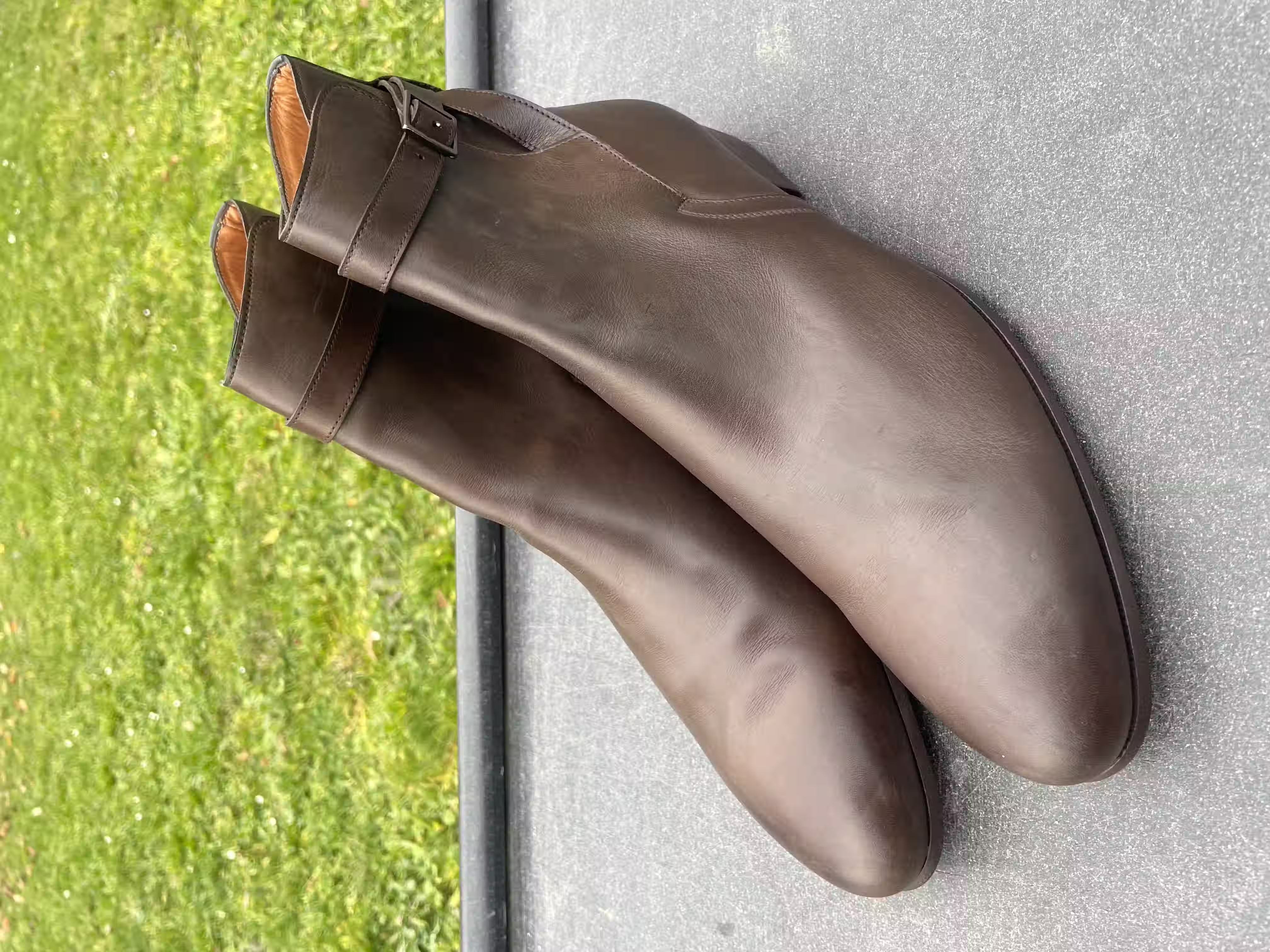
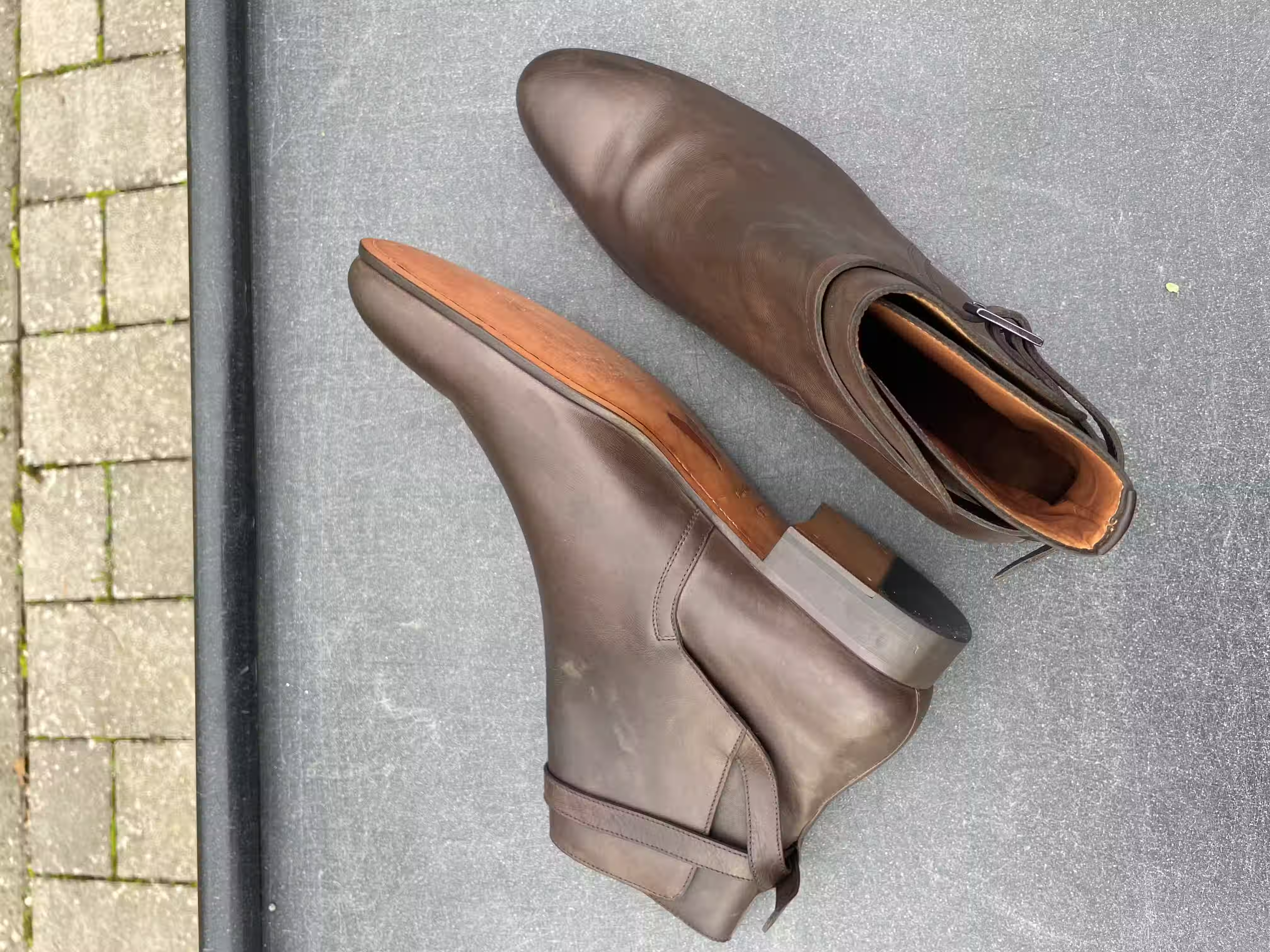
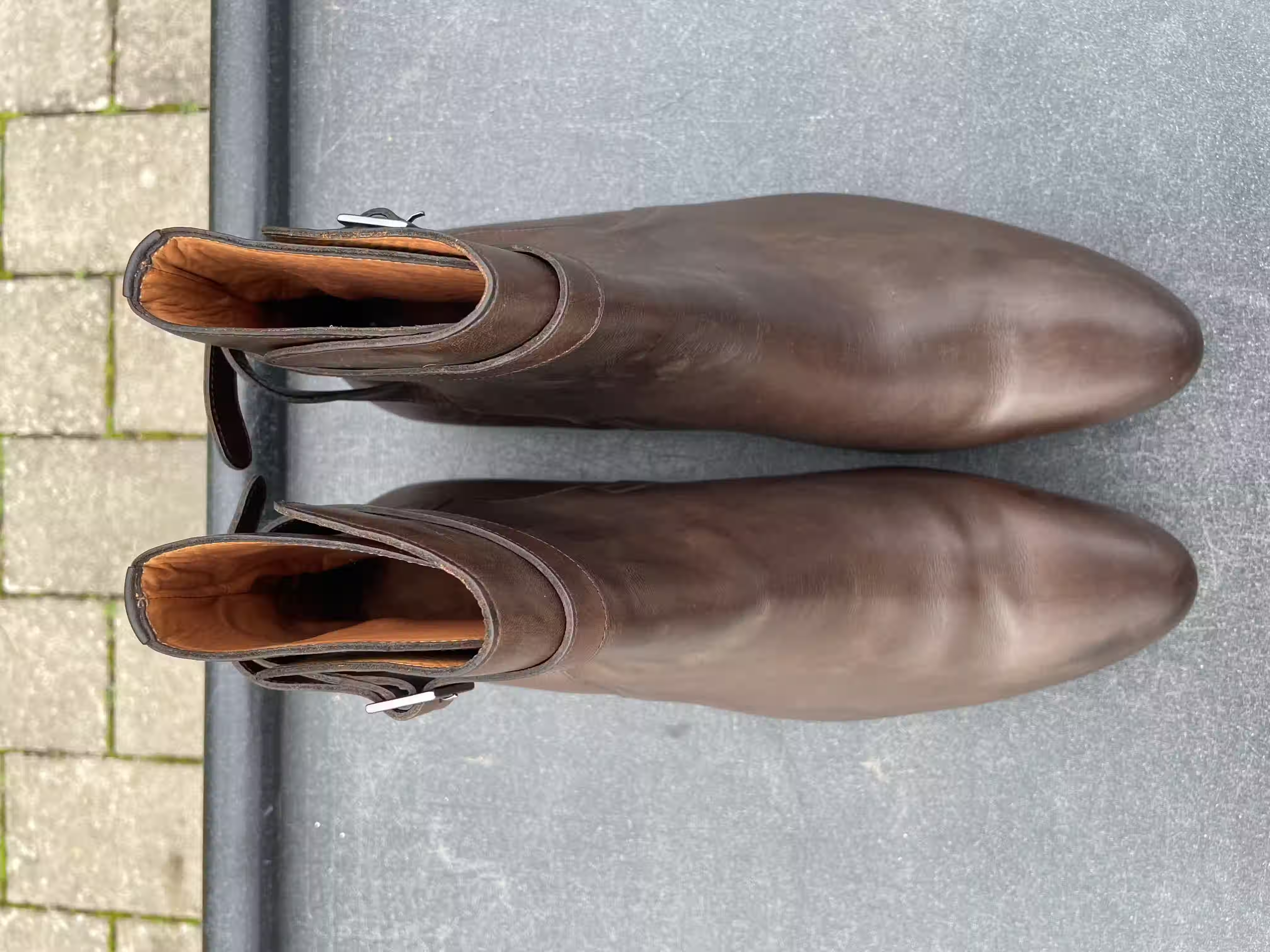
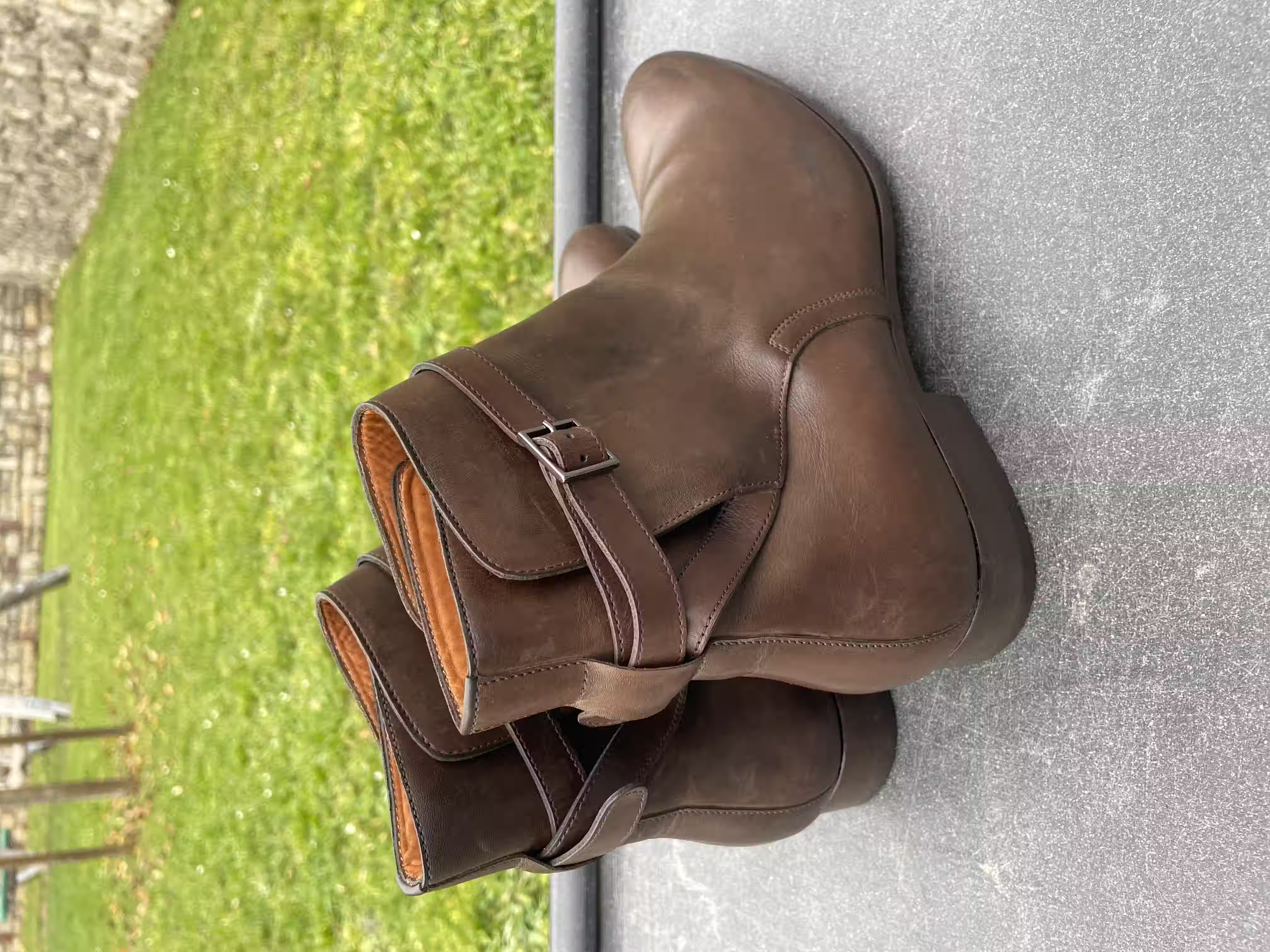
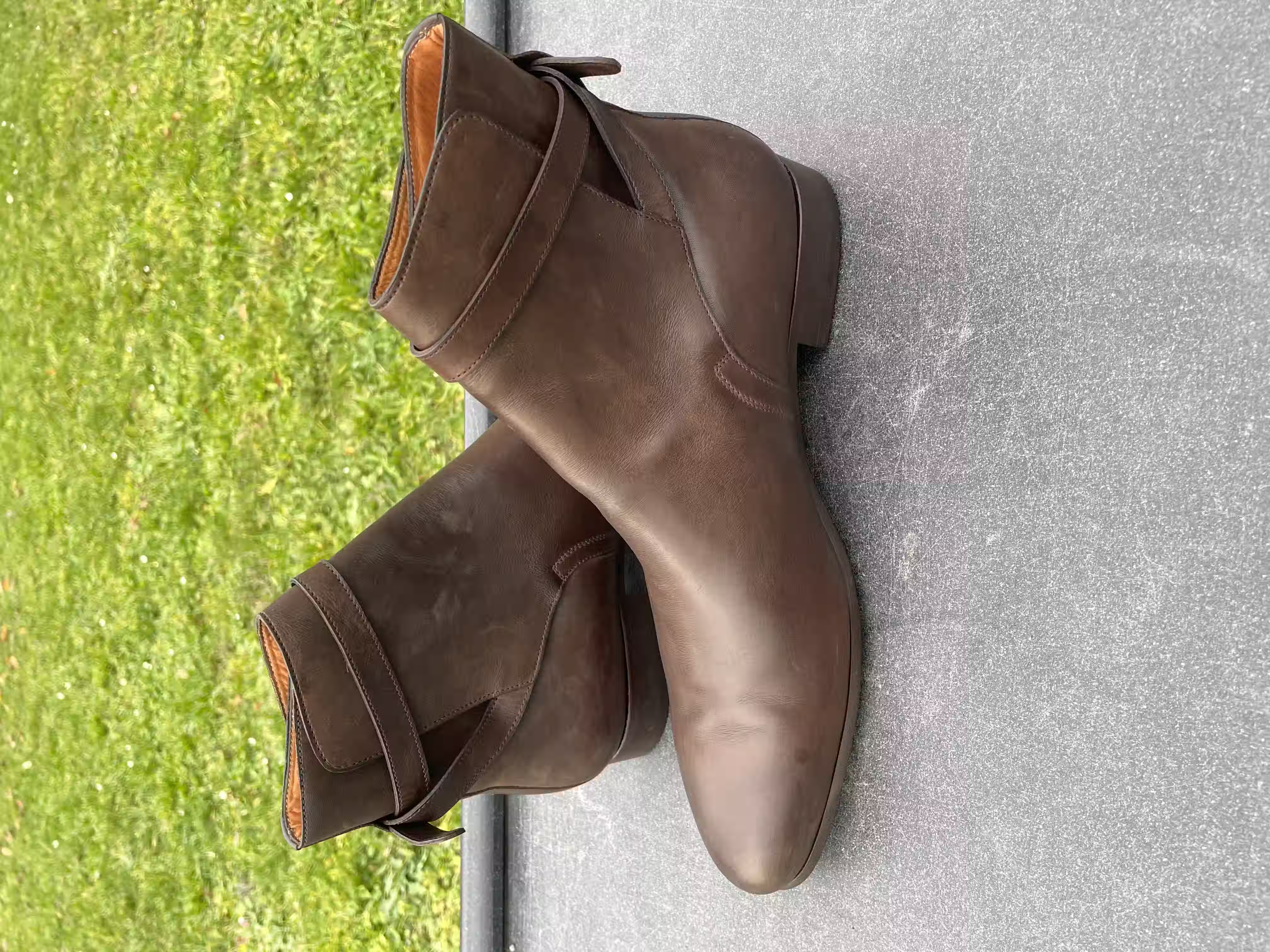
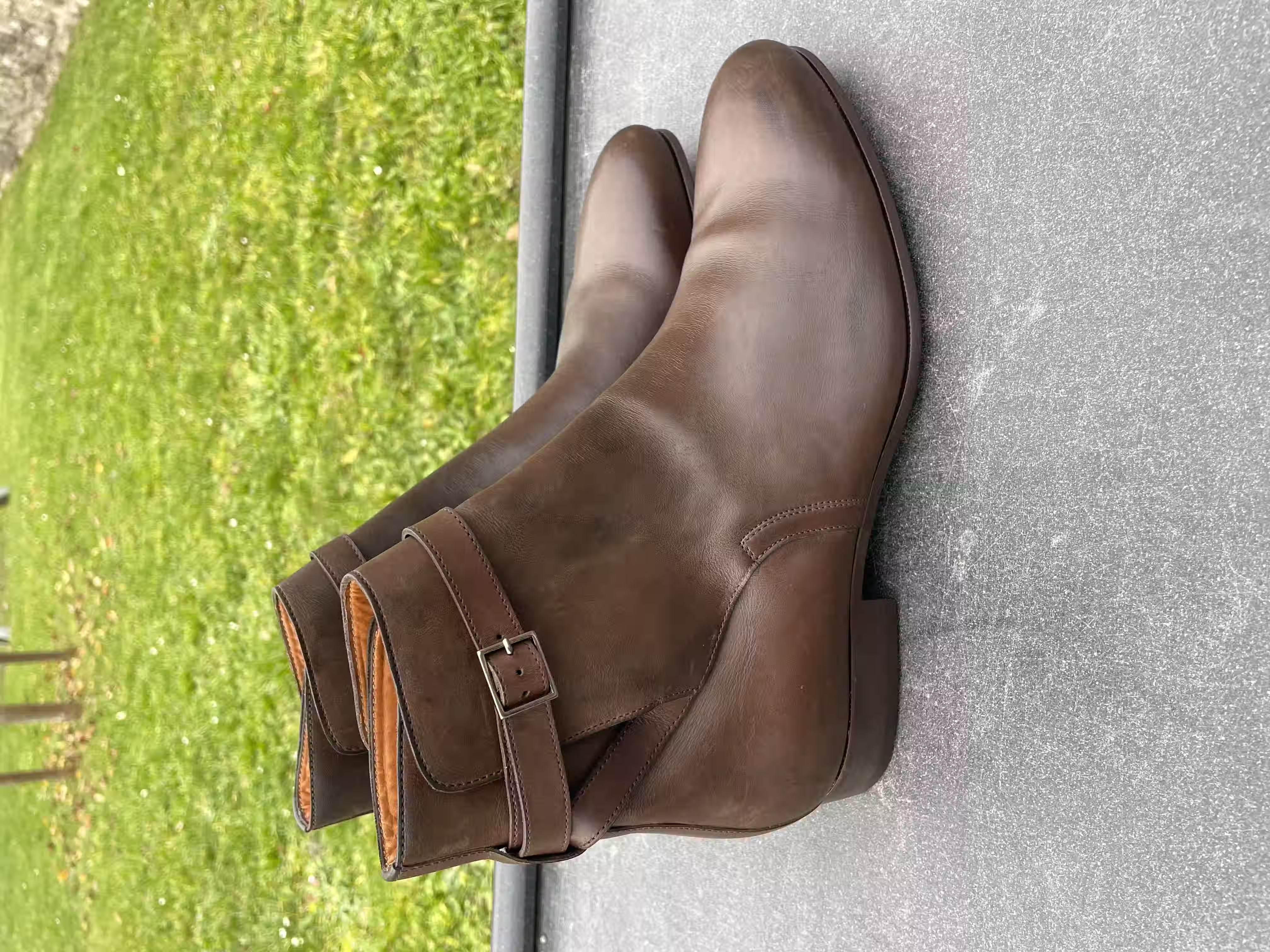
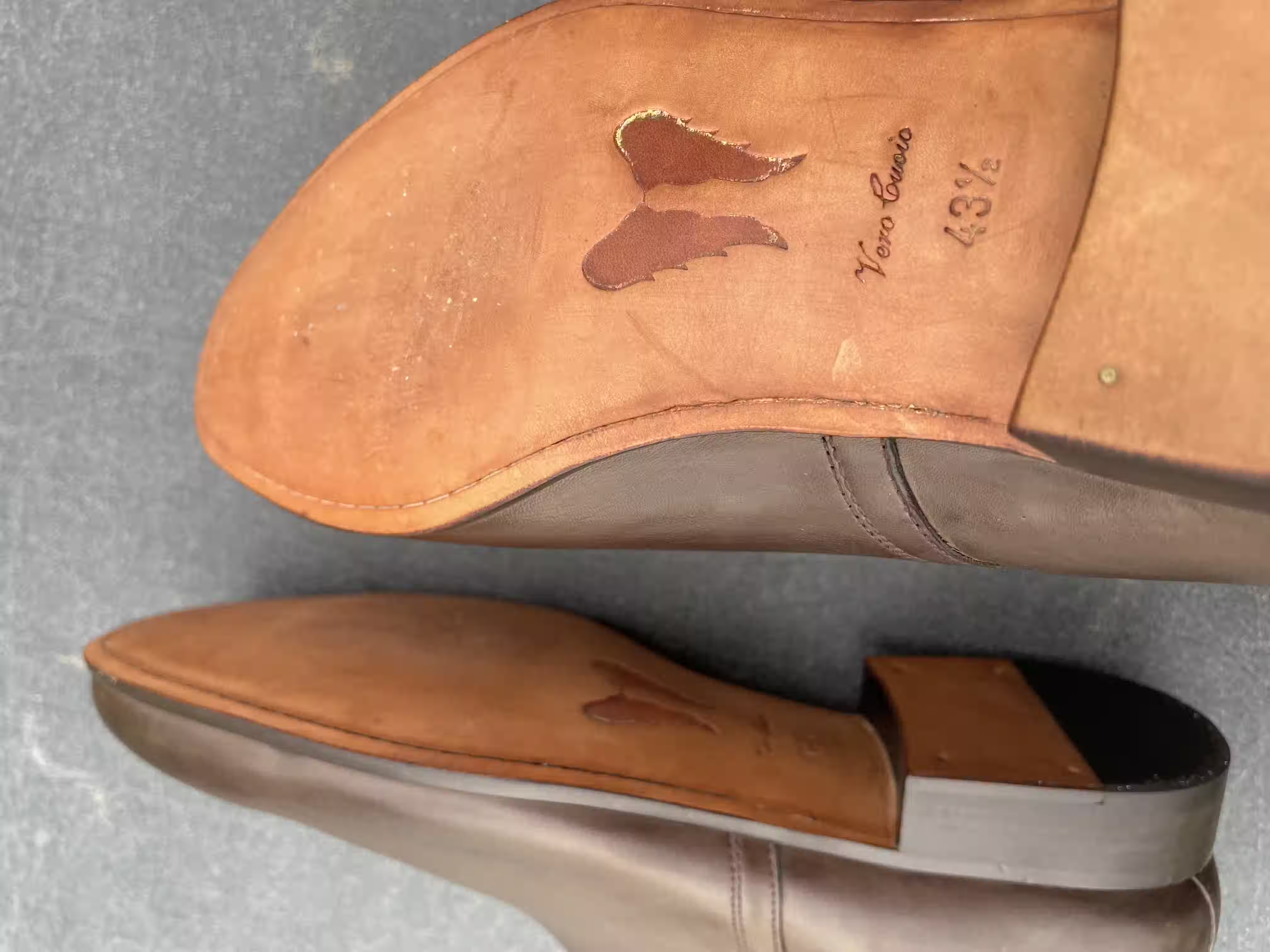
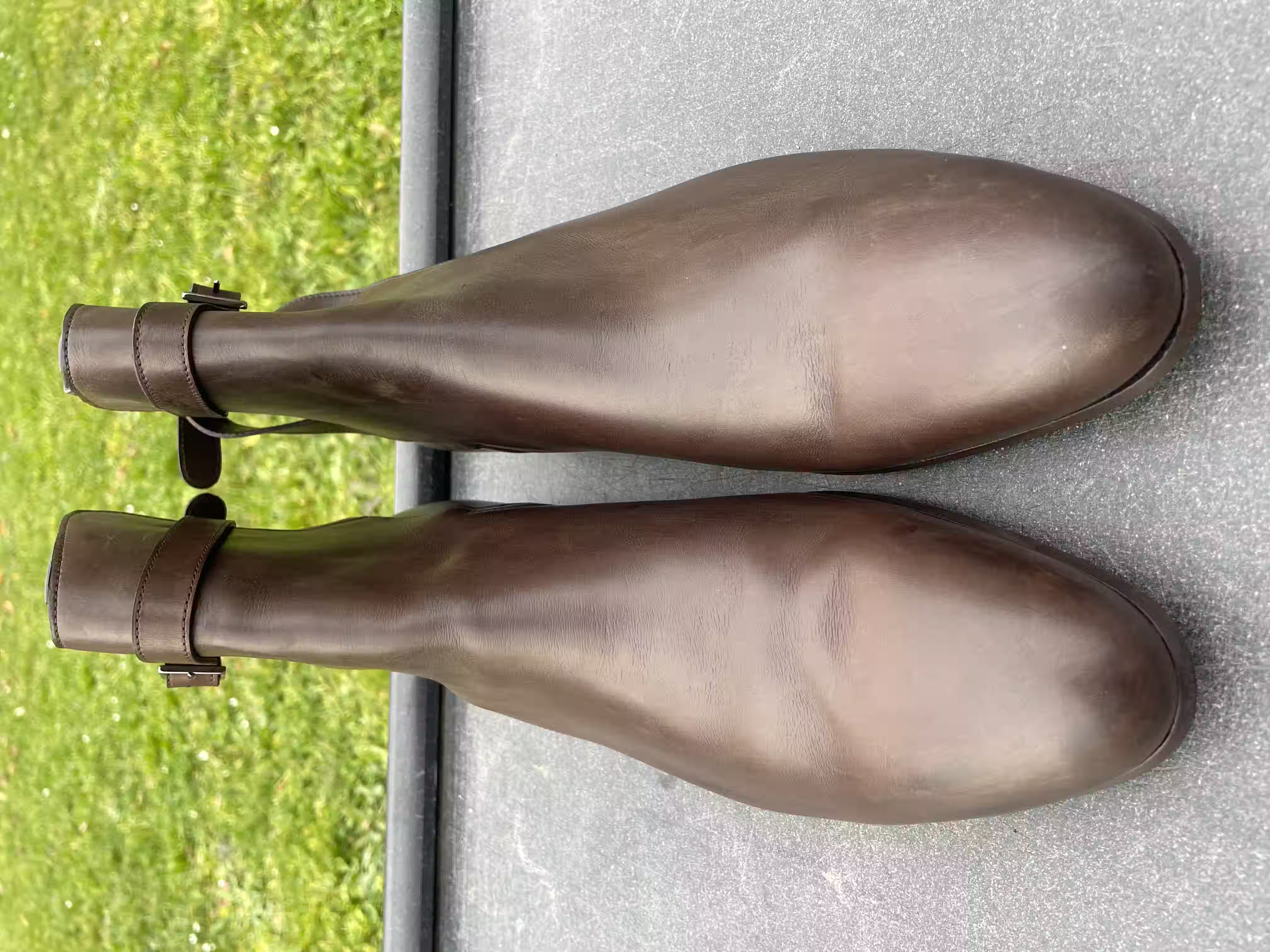
What I like about boots and ankle boots is their special shape: they have more surface area, and you can often wear them by cuffing your trousers so that more of the upper leather is shown than would be possible with low shoes. Overall, I consider boots to be an enormous enrichment in men’s and women’s fashion . At the same time, I find it a bit of a shame that historical development here in Europe over the last few centuries has moved away from boots and more toward low shoes.
Your advantages as a reader of this blog
I offer helpful information on the following three topics—for anyone interested in better shoes:
- Shoe inspiration and shoe details (models, construction methods, and other variations)
- Shoe buying (shoe reviews, tips, and advice)
- Shoe care (leather care and careful handling of shoes)
The latest posts
- Author: Maximilian Kremer
 Updated: Oct 19, 2026Riding boots have become rare in everyday life here in Western Europe, but they can be styled very tastefully. Here, we explore 10 fall-inspired options for women that are based on general principles you can apply elsewhere - whether you’re a woman or a man.
 - Author: Maximilian KremerUpdated: Oct 4, 2026Still searching in vain for the best shoe brand or the best shoe manufacturer? - Here, I’ll show you why, strictly speaking, that isn’t a good question to ask. I do have a few tips on shoe brands, though.
- Author: Maximilian KremerUpdated: Sep 27, 2026For me, Santoni shoes are easily recognisable by their long, slender silhouette. I’m also impressed by the ‘Fatte-a-mano’ production line, which produces particularly comfortable leather shoes.
- Author: Maximilian KremerUpdated: Aug 25, 2026Taking the different types of leather into account, this question can be answered quite broadly. But for me, the biggest weakness of leather in general is its potential to dry out, which is why you should treat leather in your life with a nourishing care cream from time to time. For leather shoes, shoe cream typically serves this function.
- Author: Maximilian KremerUpdated: Aug 25, 2026You can wear a pair of leather shoes for several hours in one day, but you should not do this for two or more days in a row. This protects your shoes and especially the inner lining from damage in the long term if you include resting periods of at least one to two days.