
FAQ: Are leather shoes good in winter?
It depends entirely on the specific weather and where you are. In dry winter weather, you can wear leather shoes pretty easily — rubber soles provide better grip on ice and slippery surfaces. In wet weather, however, road salt in slush or puddles can severely damage the leather.
Danger to leather shoes with leather soles outdoors from road salt, mud, and rain
In this situation, road salt in particular will ruin your leather shoes. The upper leather will become very unattractive and dry over time if you do not take action immediately.
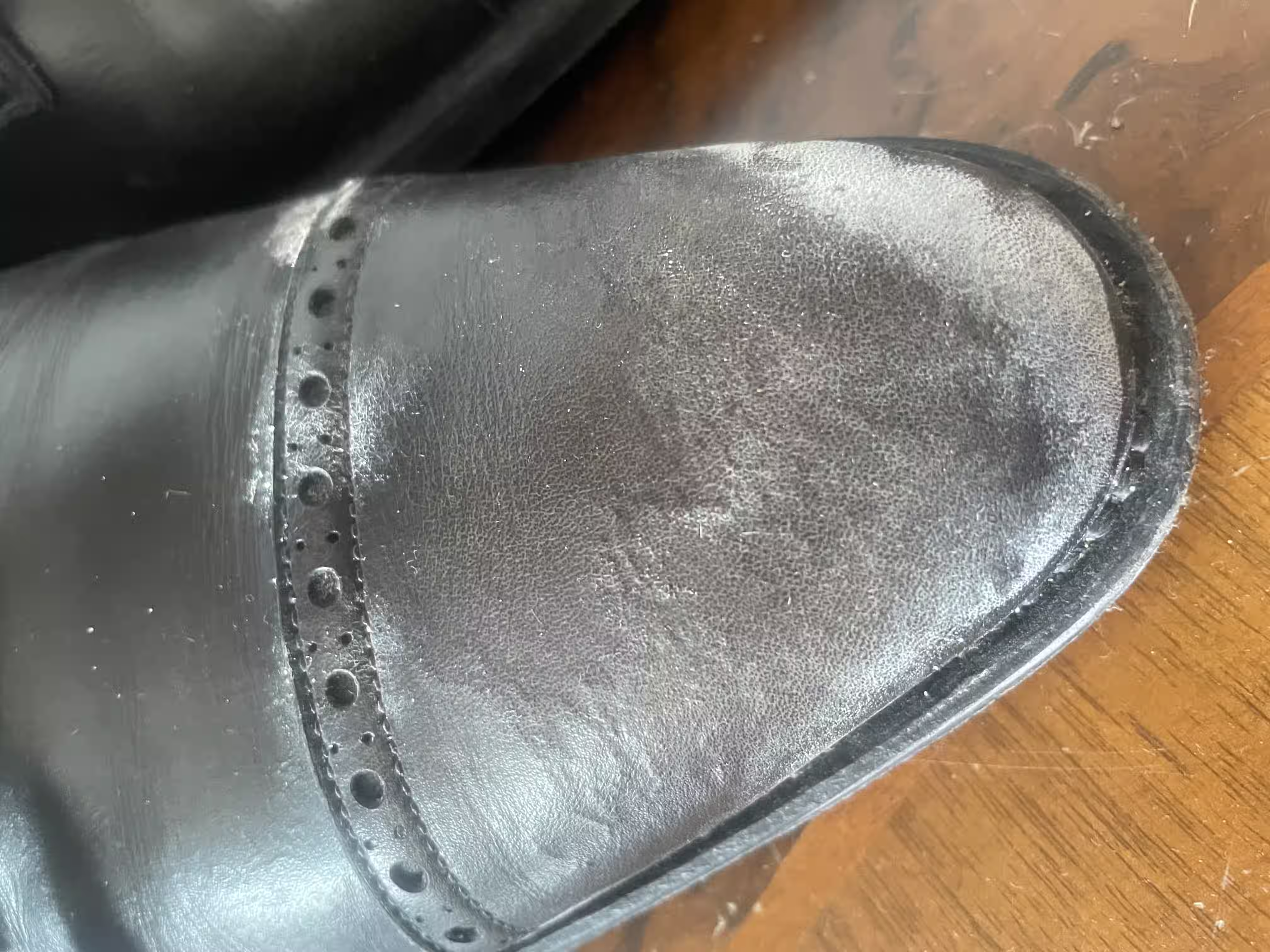
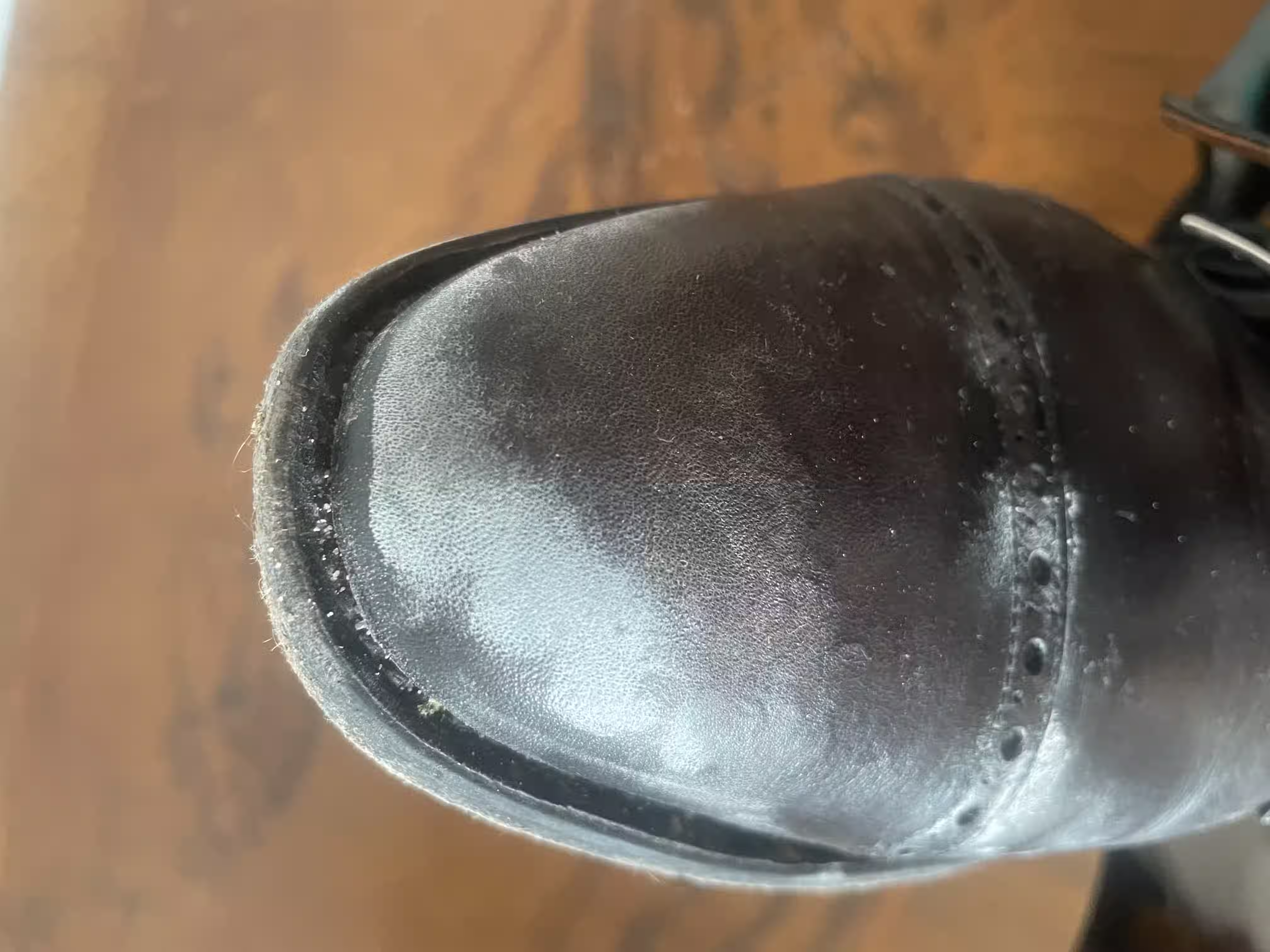
Leather soles can also absorb the salt in such a situation and become very dry over time. The further consequence is that they then become easily brittle. In such a situation, you would need to clean the leather and treat it thoroughly again with an intensely nourishing leather care cream. Even then, it may already be too late for the upper leather.
Rain and snow alone would not be a major problem, but road salt changes everything. However, if you have rubber soles and robust upper leather, things may turn out relatively well.
Which leather is best suited as upper leather in winter?
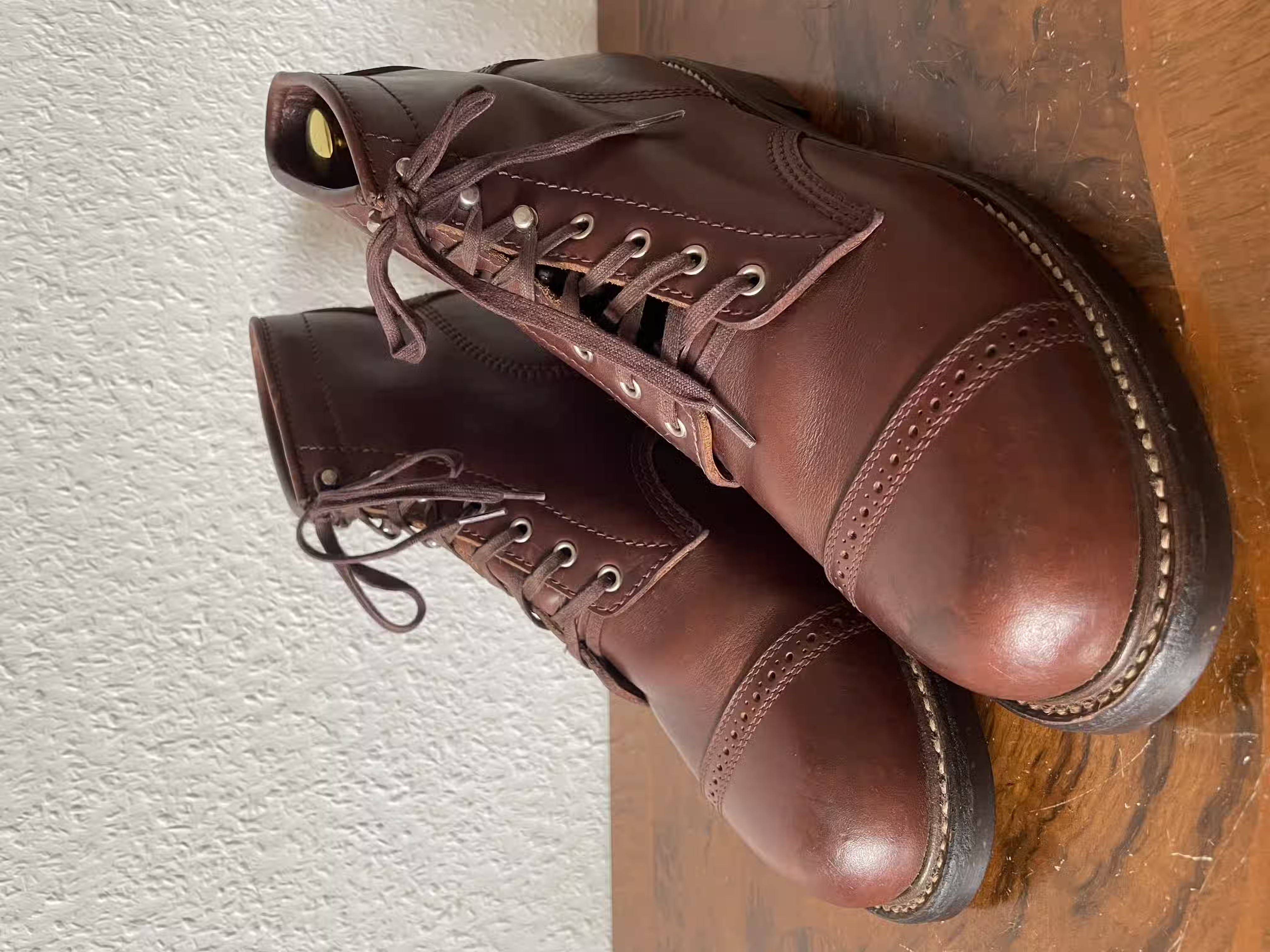
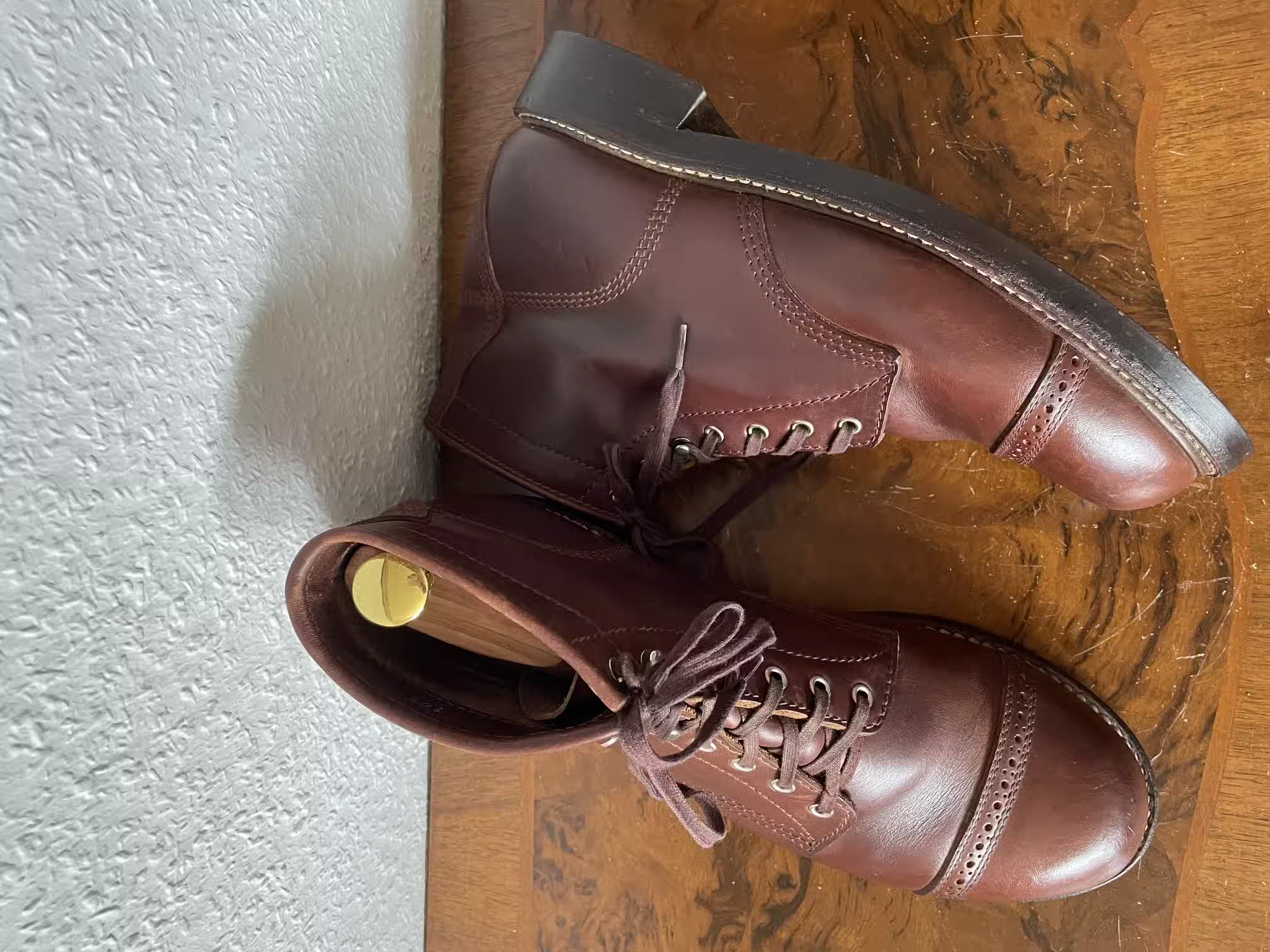
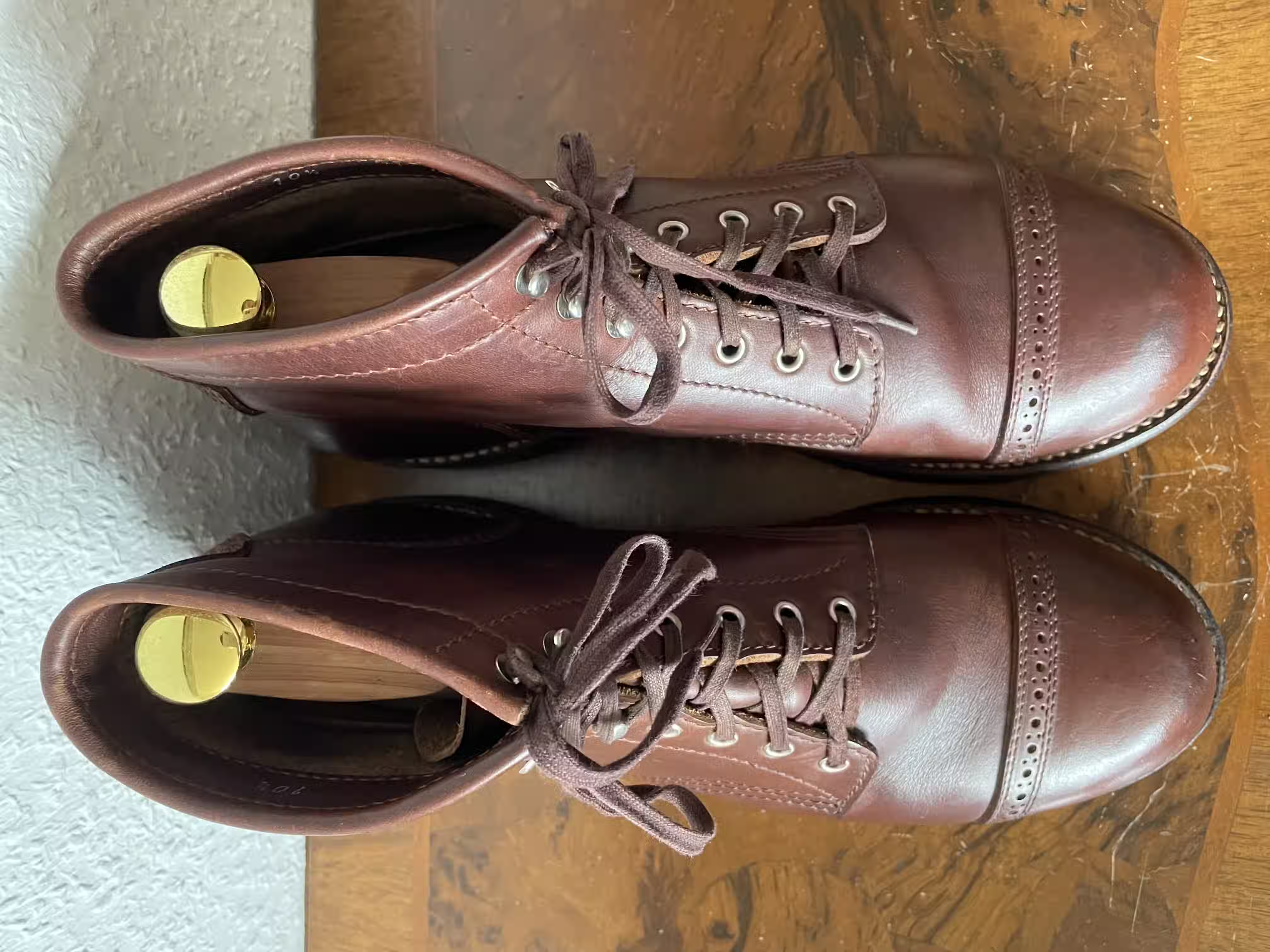
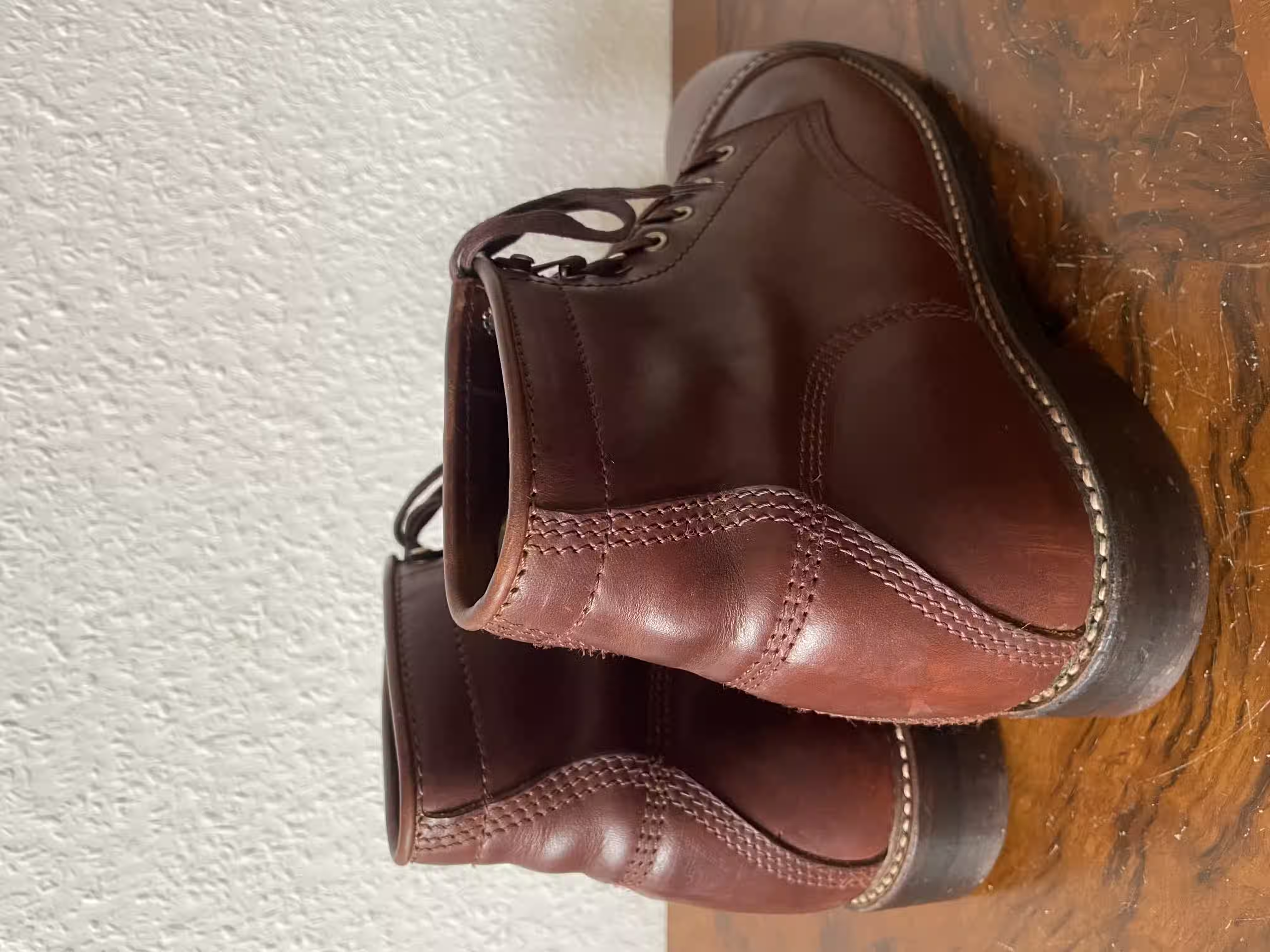
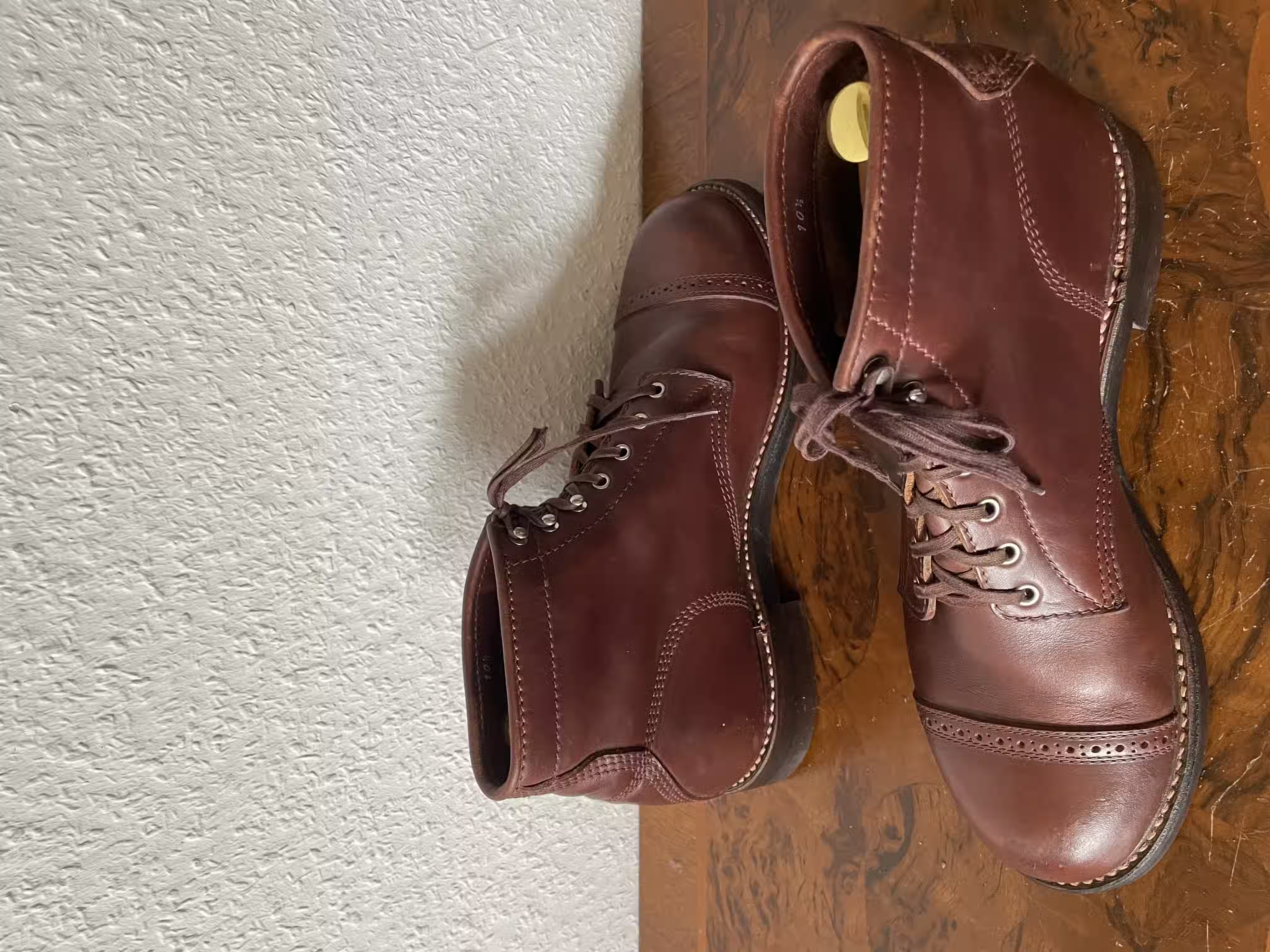
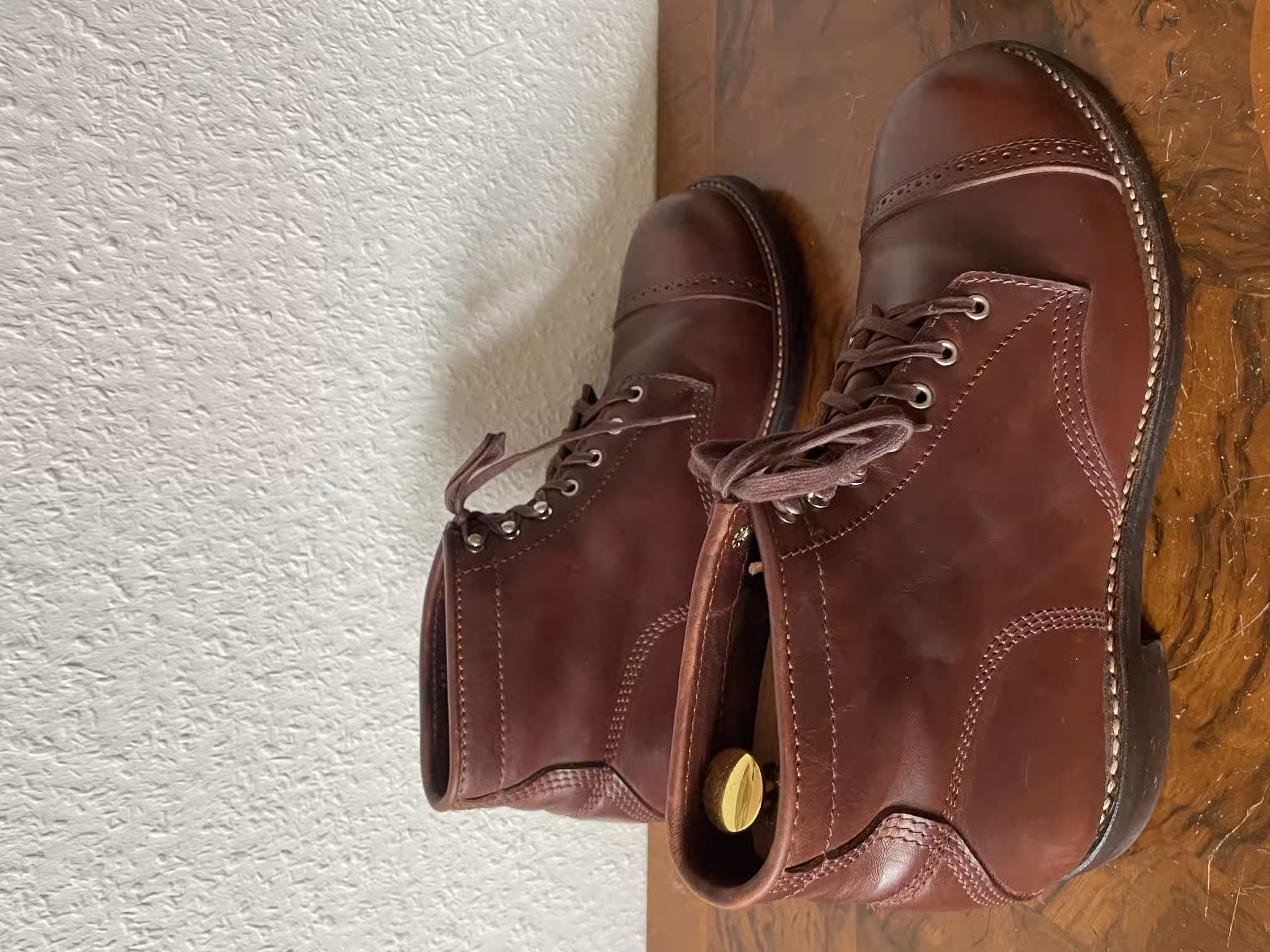
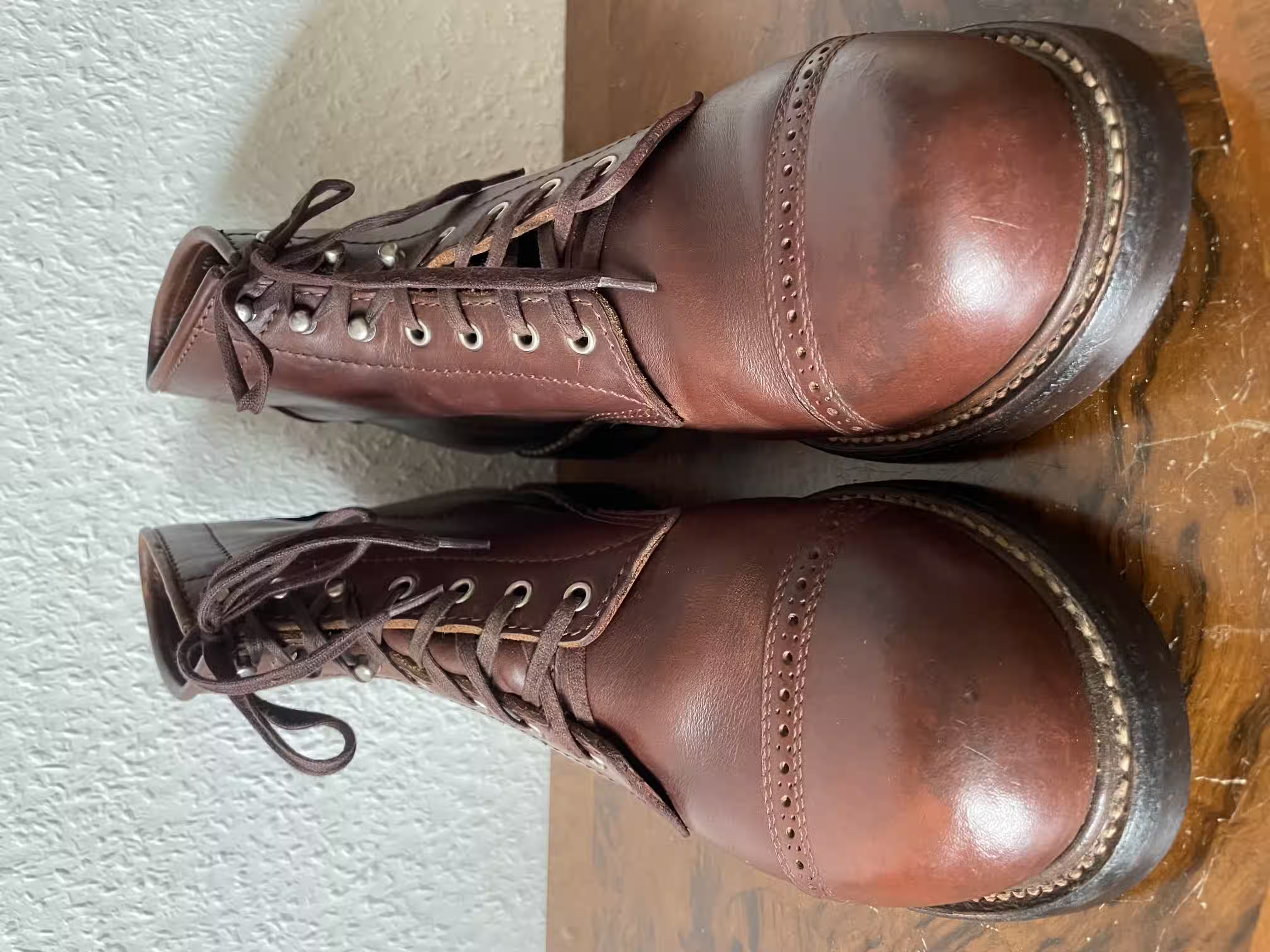
All varieties of grease leather and oiled leather are suitable. Greased nubuck and Chromexcel are examples. It is important that you have cared for and waterproofed the upper leather before wearing it.
Chrome-tanned leather in general can also be comparatively suitable, as it is more resistant to environmental influences than vegetable-tanned leather. This leather will also suffer from road salt, but not quite as severely as vegetable-tanned leather.
Conclusion and solution
Leather shoes are not automatically unsuitable for winter; however, road salt poses a very great danger to many types of leather.
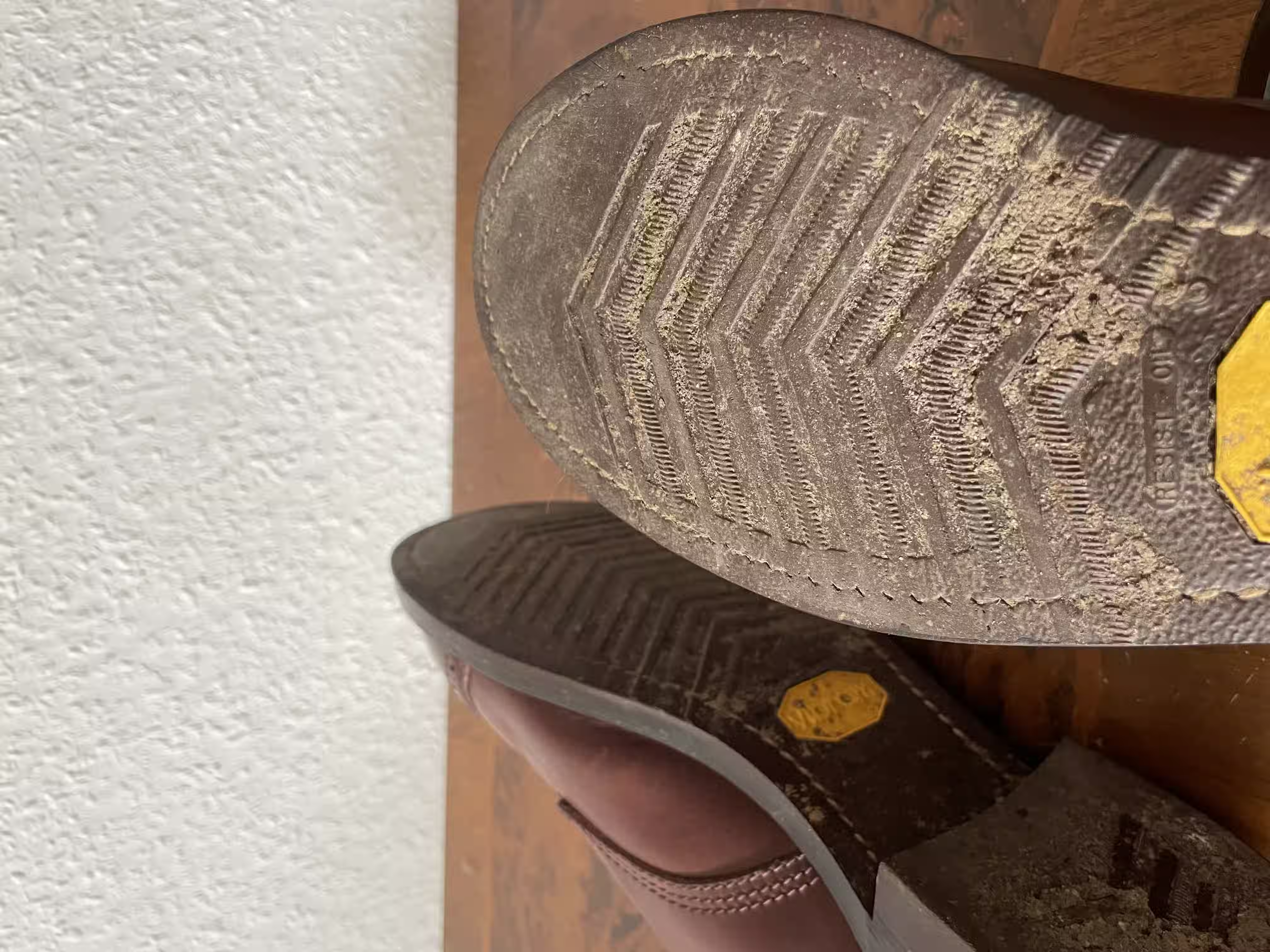
Without rain and snow, you can generally wear all your leather shoes — preferably those with rubber soles on ice and slippery surfaces. However, as soon as there is a risk that road salt will dissolve in water and get onto your shoes, you should switch to specialized winter shoes. These often have treaded rubber soles and robust, dirt-repellent upper leather and usually come in the form of boots. As boots, they can also offer the greatest protection for your feet.
Share this post
Navigation
Here you can jump to related topics.Next post:

Previous post: