
FAQ: Which shoe brand is number one?
Still searching in vain for the best shoe brand or the best shoe manufacturer? - Here, I’ll show you why, strictly speaking, that isn’t a good question to ask. I do have a few tips on shoe brands, though.
Why, Strictly Speaking, There Can Be No “Best” Shoemaker
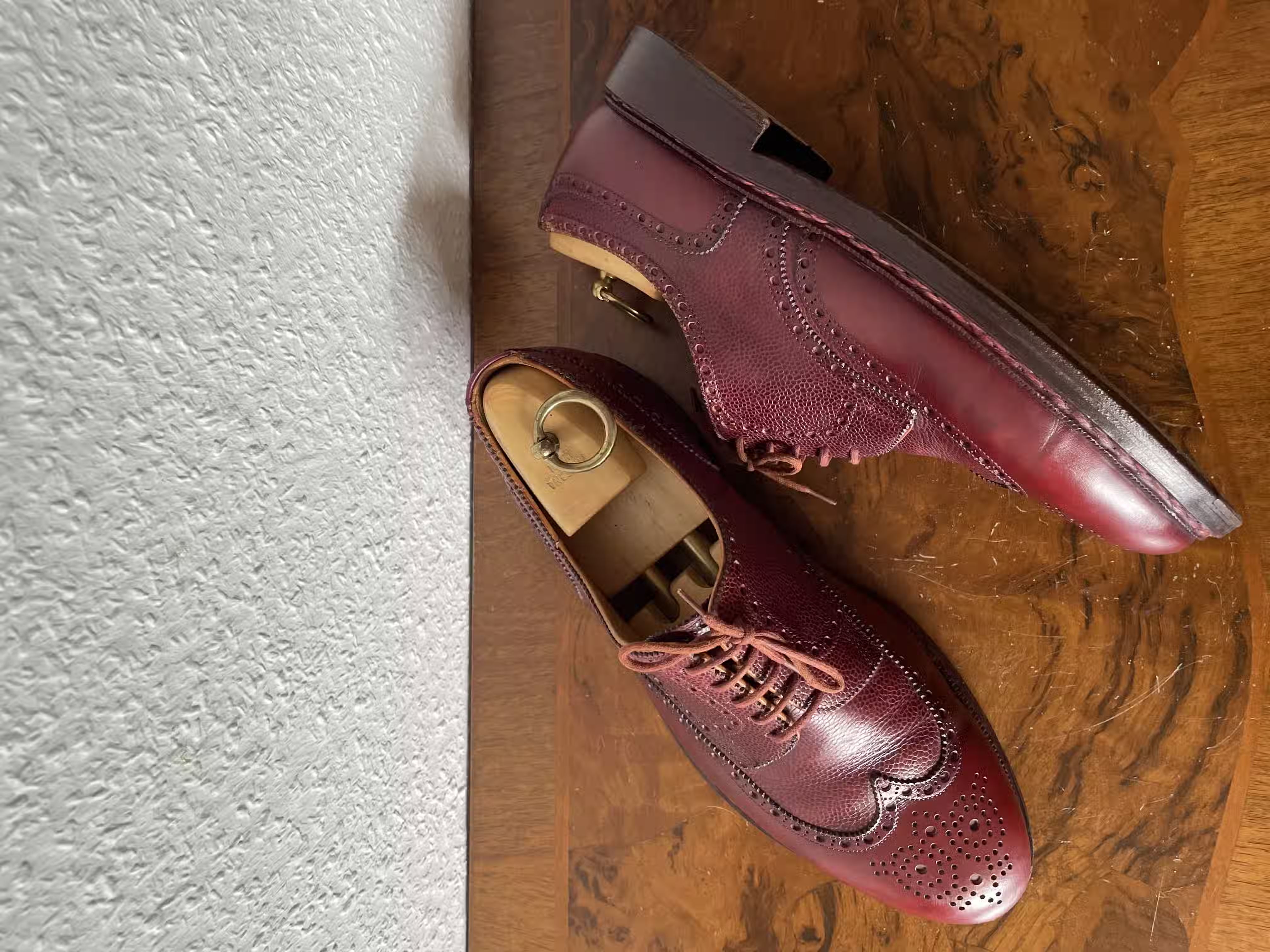
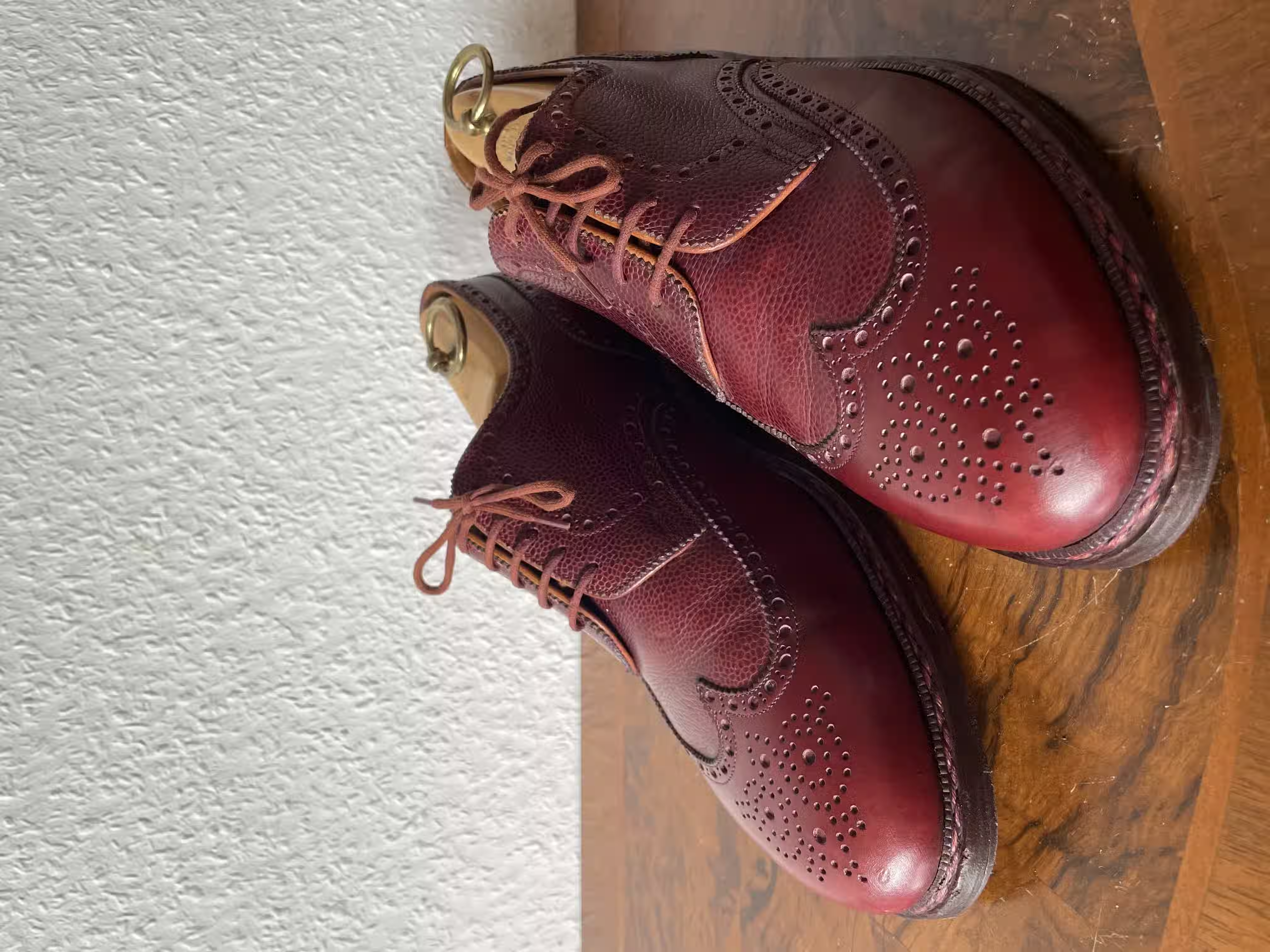
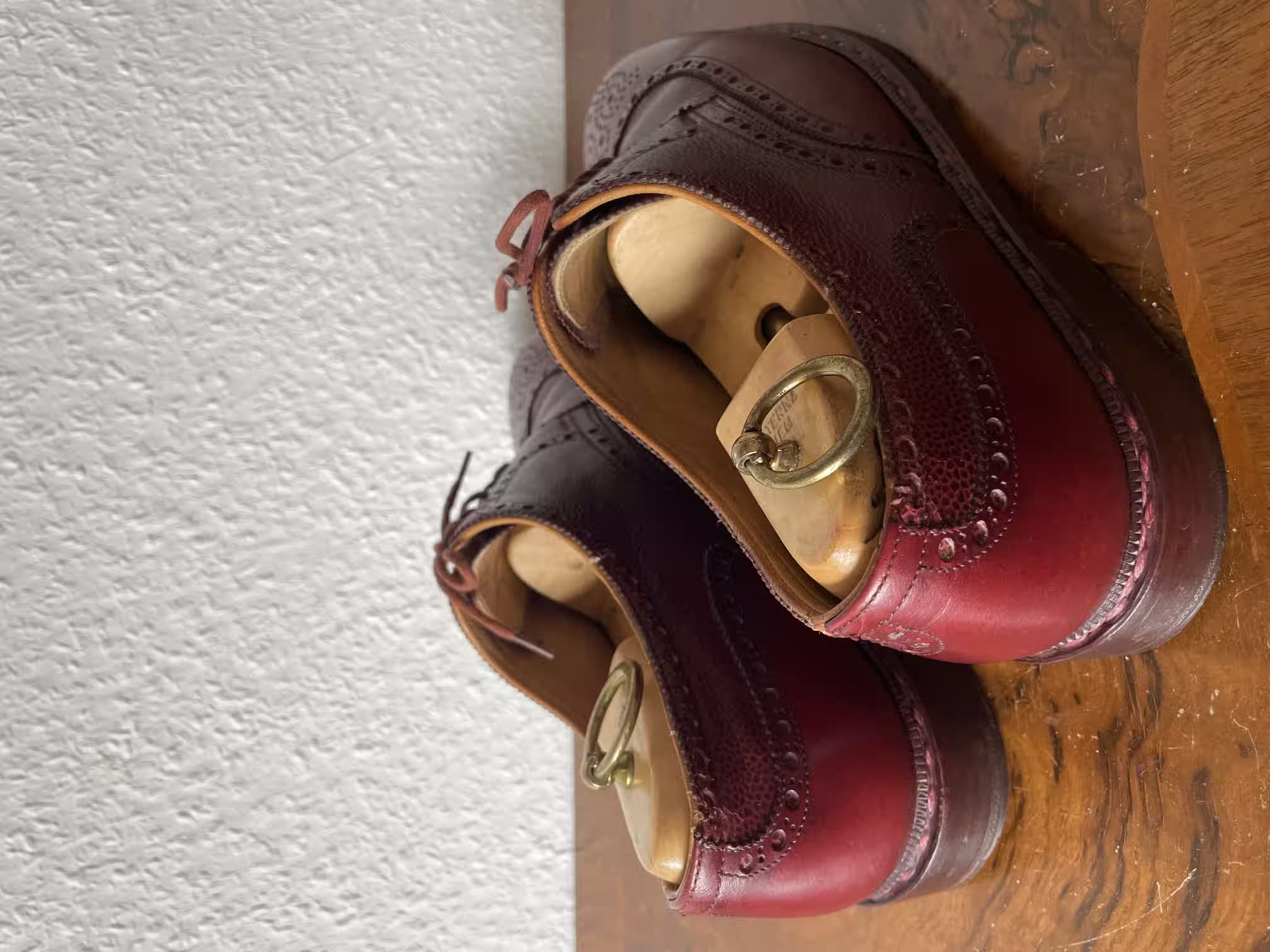
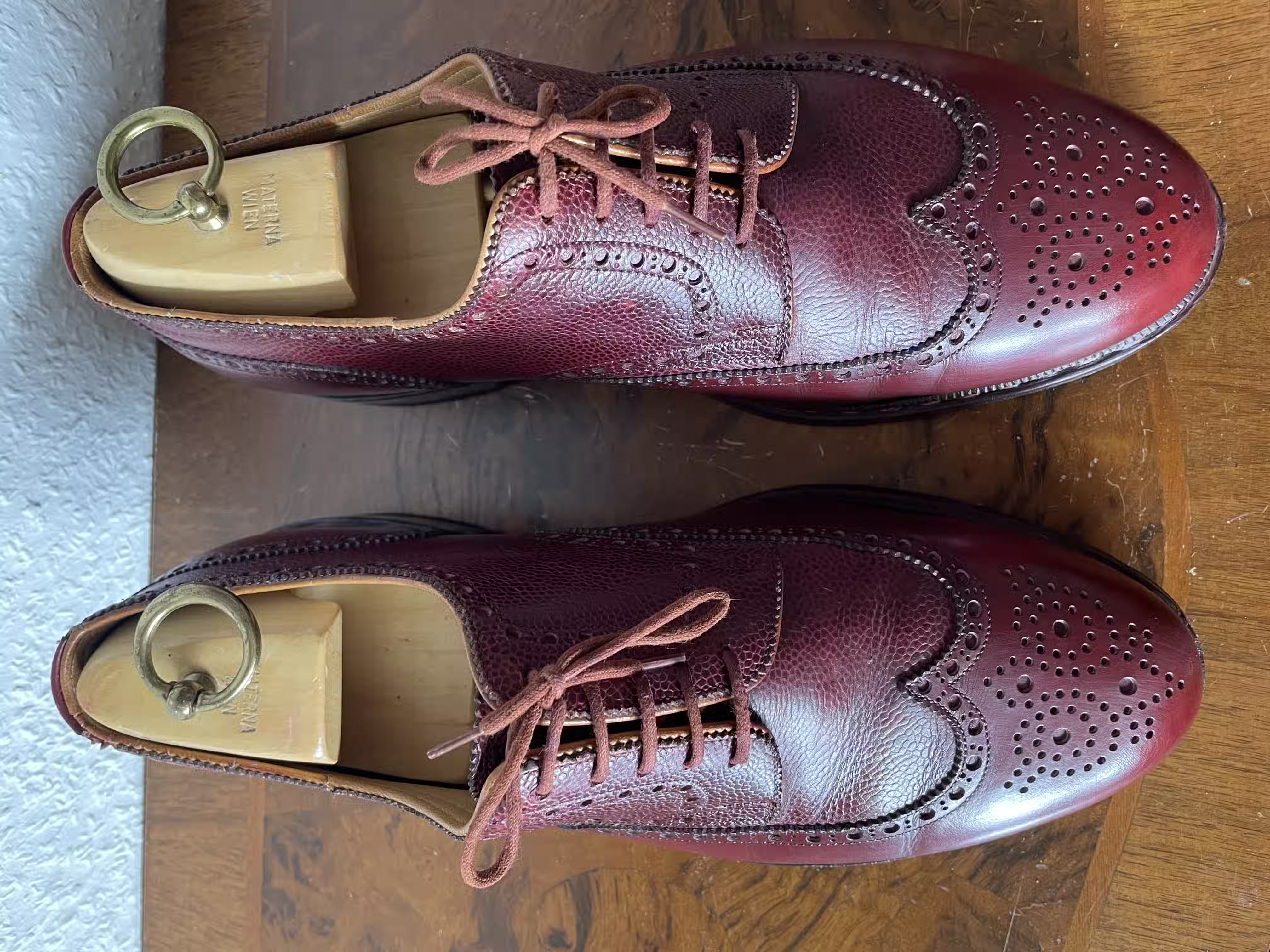
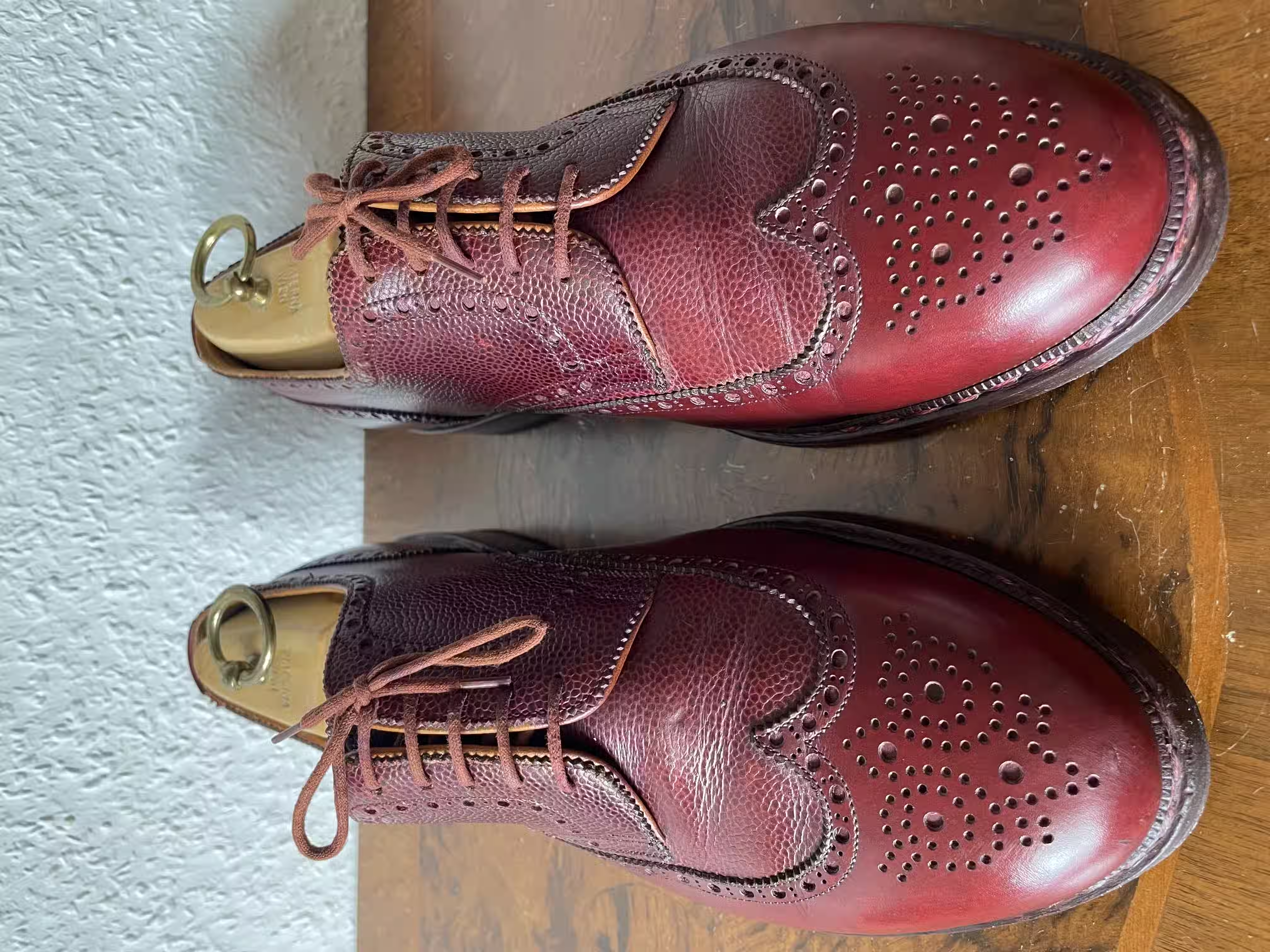
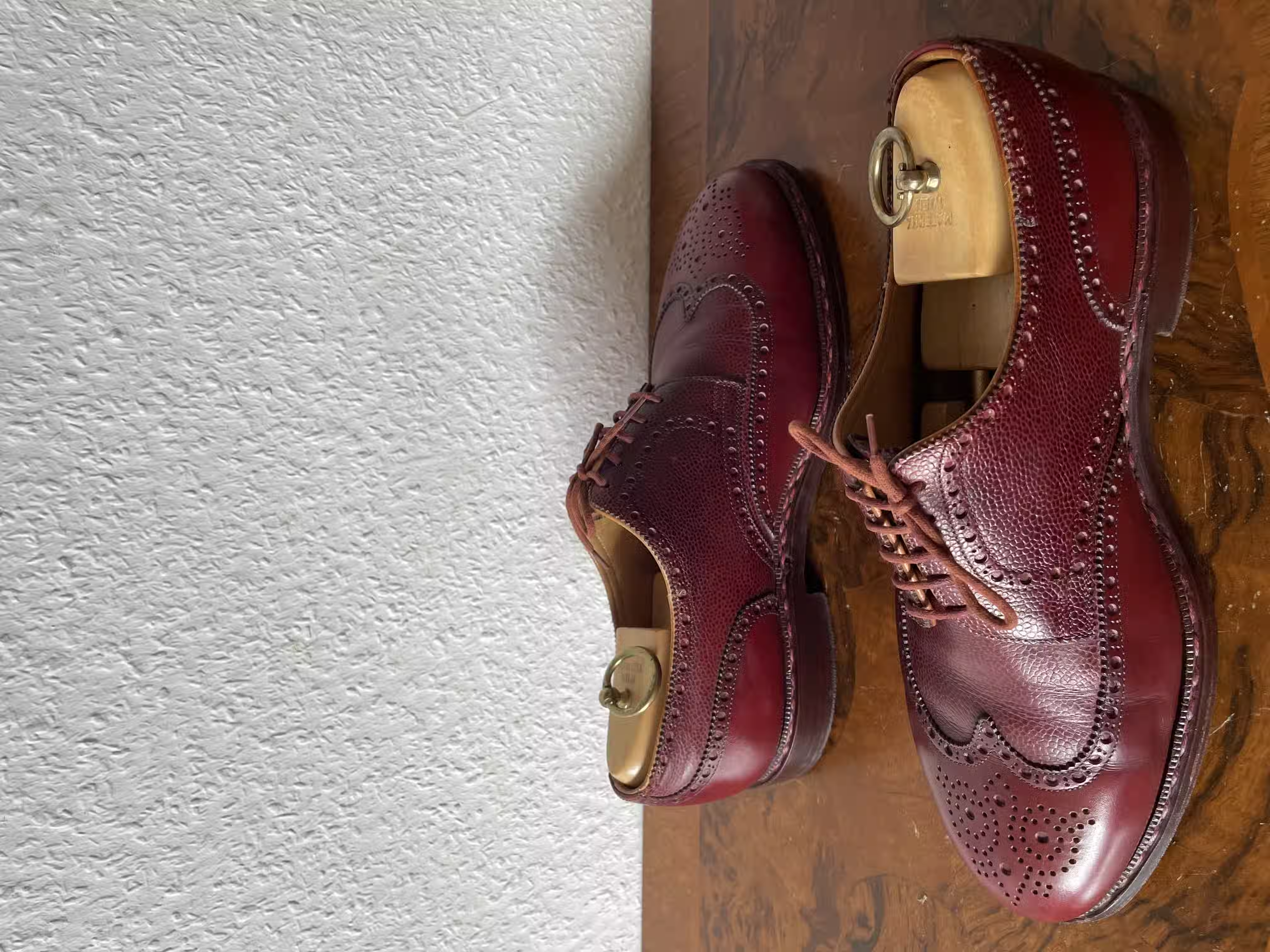
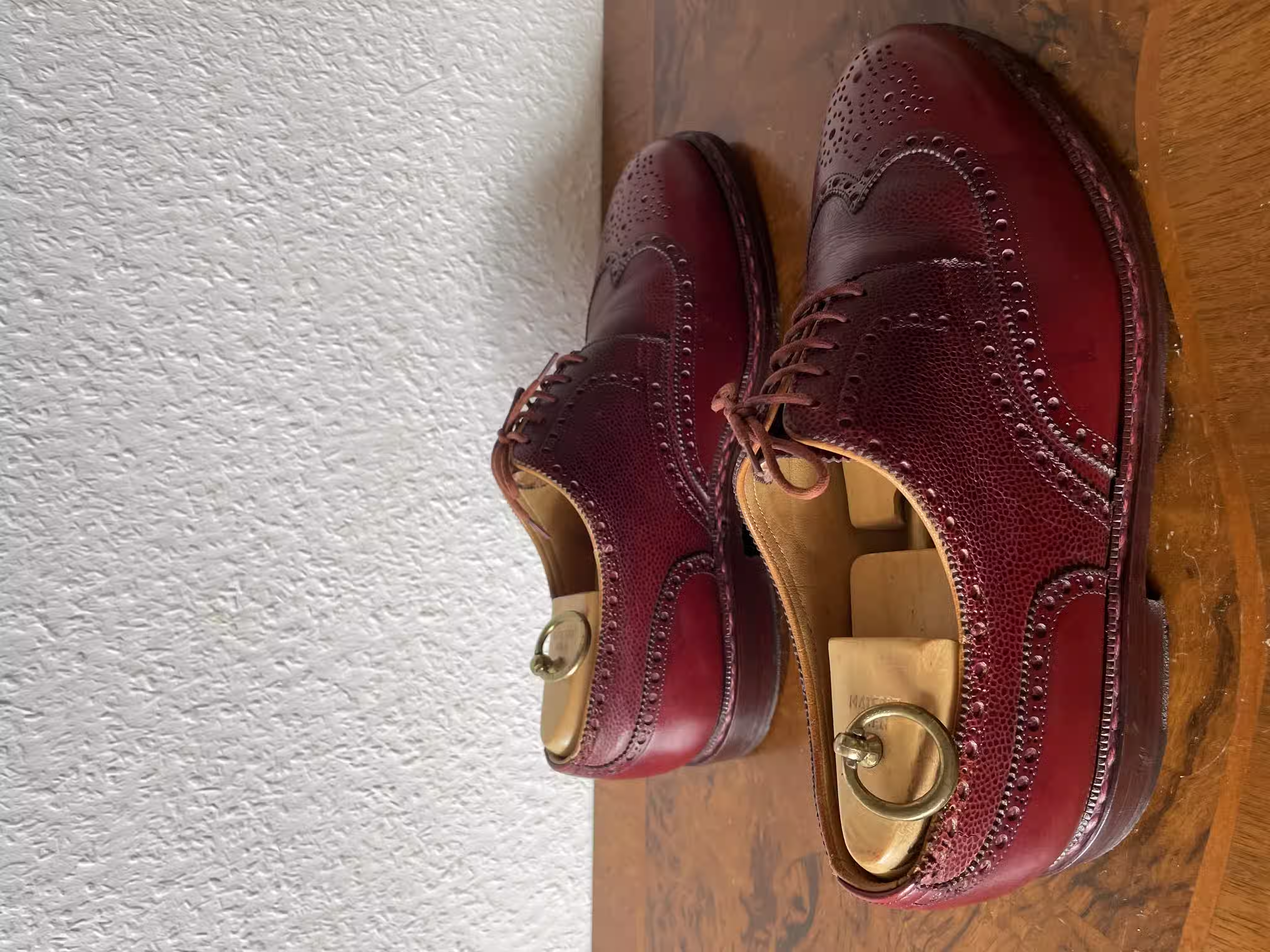
The short answer: In practice, there can’t be a “best” shoe brand because there are so many different types of shoes with very different requirements and in very different price ranges.
- Are you looking, for example, for rugged mountain boots for hiking that perform as well as possible outdoors in muddy and rainy conditions? Or are you looking for ultra-refined shoes for an evening event? It is difficult for a shoemaker to master both areas to perfection at the same time.
- Are you looking for shoes crafted to perfection with ultra-fine details, or shoes that offer excellent value for money without all the frills?
- Above all, the best shoes are those that fit. Despite the range of attractive shoes a brand offers, are there any that actually fit you properly? If not: does the brand also offer bespoke shoes or a so-called made-to-measure (MTM) option? If so, how well do they fit?
As you can see, there are many factors to consider when choosing leather shoes. And you can look for brands that perform well across as many of these areas as possible. However, if you have a specific requirement, this won’t be of much use to you; in that case, you may need to find the best shoemaker for your particular needs.
Top Shoemakers with the Highest Prices
As you can see with many designer sneakers in the luxury price range, the price doesn’t necessarily say anything about a product’s quality. However, there are also stitched leather shoes that cost a relatively high price, but for which you ultimately get much more in return. The value for money here probably still won’t be quite right, but it might still be worth it for you under certain circumstances.
Italian Shoe Brand: Silvano Lattanzi
I remember a pair of black shoes made of shell cordovan that cost around 8 000 euros. The shoes were beautiful, but shell cordovan is relatively expensive. Even 4 000 euros would seem too much to me for shoes like that if they’re mainly intended for practical use.
Patrick Frei from Freiburg
Here you can find well-made custom-made shoes, but also special ones that cost over 10 000 euros. I don’t know exactly what makes these shoes so special. I assume that such shoes are crafted with great attention to detail and are already little works of art—just like the rest of Patrick Frei’s shoes, only even more so. When it comes to shoes like these, for example, I assume the following:
- The shaft is sewn by hand rather than by machine.
- There is no heel seam - or at least none that is visible.
- For boots, the leather has been tanned beforehand, which means it has been shaped.
All of this requires more effort and skill, which is reflected in the price. However, it is not necessary for practical, high-quality shoes.
Perhaps the best Italian shoemaker in terms of craftsmanship: Doriano Marcucci
I’m basing this on secondhand information I’ve heard from other shoe enthusiasts. Specifically, I’m referring to the Italian shoemaker Doriano Marcucci:
Along with other shoemakers from the region, he was an apprentice to the legendary shoemaker Basilio Testella - and apparently his best. From what I can tell, he’s very skilled at making all kinds of things, and he’s also very passionate about music. You can get both very practical shoes from him that offer good value for the money, as well as very artistic ones crafted with great attention to detail. However, I’m not sure how active he still is these days.
Here you can watch a short, older video about him and his philosophy on shoes on Vimeo to get your own impression of him.
Shoemaking Competition
There is an event called the “World Championships of Shoemaking,” which has been held annually for some time now as part of the London Super Trunk Show. Based on a specific model and certain guidelines, each participating shoemaker has the opportunity to submit their best shoe by a set deadline. The shoes are evaluated by a jury of experts according to various criteria, and the top finishers are honored at the end.
This competition is a good way to find skilled shoemakers. However, personally, I wouldn’t take the exact rankings quite so seriously: I noticed in a photo that wax cracks had formed on one of the first-place winners’ shoes after the last was removed. As for another first-place winner, I know from some of his videos that he cuts the sole open on the side to hide the sole seam at the end. While the concept is well-known and sound, there is, however, another technique that yields better results in achieving this.
My impression is that, overall, the competition focuses too much on creating an extraordinary visual impact. Also, not all outstanding shoemakers participate, which might be due in part to the meager prize money. In my view, however, it’s still a wonderful competition for raising public awareness of various shoemakers and their work. I get the impression that all the participating shoemakers are actually quite good—regardless of their actual ranking.
A special mention for hiking boots and mountaineering boots: Markus Nöß
This section is highly subjective, as my knowledge in this area is relatively limited. I’ve only gotten to know one shoemaker in this field a little bit, namely Markus Nöß from Pfronten in the German Allgau region:
On display are Haferl shoe models featuring this distinctive toe that slopes downwards towards the back – similar to a shark’s snout. Historically, this type of toe is quite typical of the region for Haferl shoes. The lacing is available either in the historically Upper Bavarian style of side lacing or the historically Allgau style of straight lacing, which is positioned centrally at the top.
The collection includes both very finely crafted ‘Haferl’ shoes and quite rustic mountaineering boots – and both are double-stitched. I was impressed by the small exhibition, particularly a pair of ‘Haferl’ shoes in a wonderfully vibrant red and a rustic mountaineering boot made of split leather.
When it comes to stitched leather shoes, however, he is rather alone in the Allgau region and only makes such shoes as a sideline. The shoes he makes are exclusively made-to-measure and start at around 1 800 euros. – In my view, highly recommended for lovers of traditional South German shoes.
Conclusion
That’s my current list of favourites, though it may change in future as I gain more insight. Above all, I wanted to make it clear that shoemaking is a very broad field and that, as a shoemaker, you can excel in various areas – far from all of which I have mentioned here.
Depending on the sort of shoes you’re looking for, it might make sense for you to seek out genuine specialists in a particular area.
Share this post
Navigation
Here you can jump to related topics.Previous post:
