Notes
Here you will find a collection of publicly accessible contact details of various shoe manufacturers.
The data represent, among other things:
- both larger companies, as well as small shoemakers
- both luxury companies, as well as companies with very good value for money
- both shoe factories, as well as small manufactories
Primarily, I try to pinpoint a company’s place of origin, since some companies have various shops spread around the world. Sometimes the production site is also completely different from where the company has its roots. Especially with larger companies, the situation can be quite spread out, while small shoemaker artisans and bespoke shoemakers generally have a single location. Such businesses usually appreciate planned visits, especially in the Italian region of Marche, where many local shoemakers are based.
Sometimes a manufacturer of shoes also gives up, or another in turn moves away, which then results in outdated data. For such cases, you are welcome to send me a note at shoesandart@mailbox.org.
By the way, the map with its markers does not claim to be complete. - Just because some regions are less represented, this does not have to say anything about the geographical density of shoemakers in such areas. I am sure that there are other good shoemakers that are not represented here on the map, but that would deserve to be included. That may still happen in the future.
The overview of companies does not constitute a clear recommendation on my part. Depending on your own needs or requirements, one company may be more suitable than another. I hope that this overview here is at least a small help - as a source of inspiration for regional possibilities.
In some cases, I am not aware of any public geographic address, which is why I then only provide the city, if I can find it from publicly accessible sources. In such a case, the company name is marked with the note that the exact location is unknown.
English Shoemakers
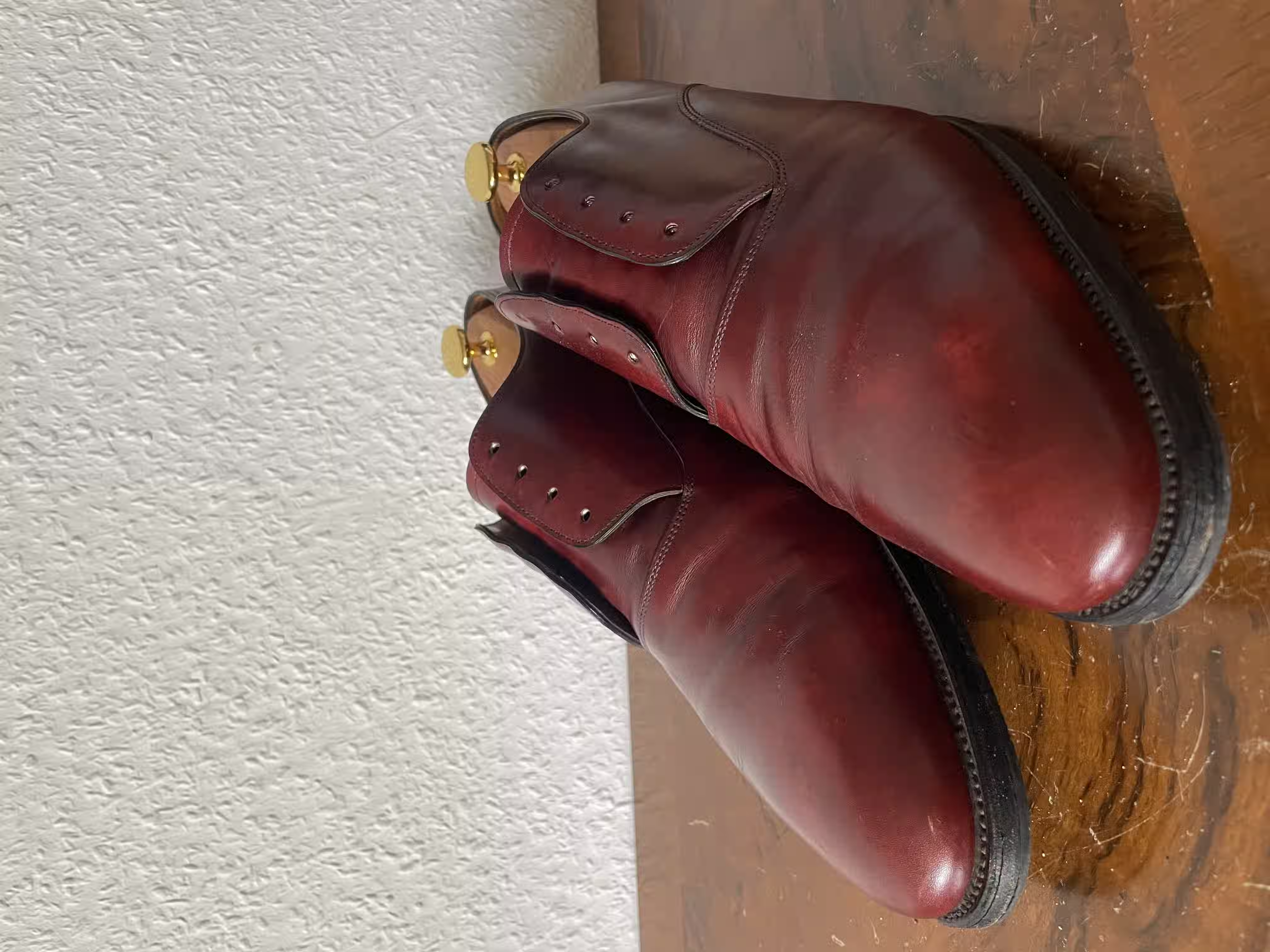
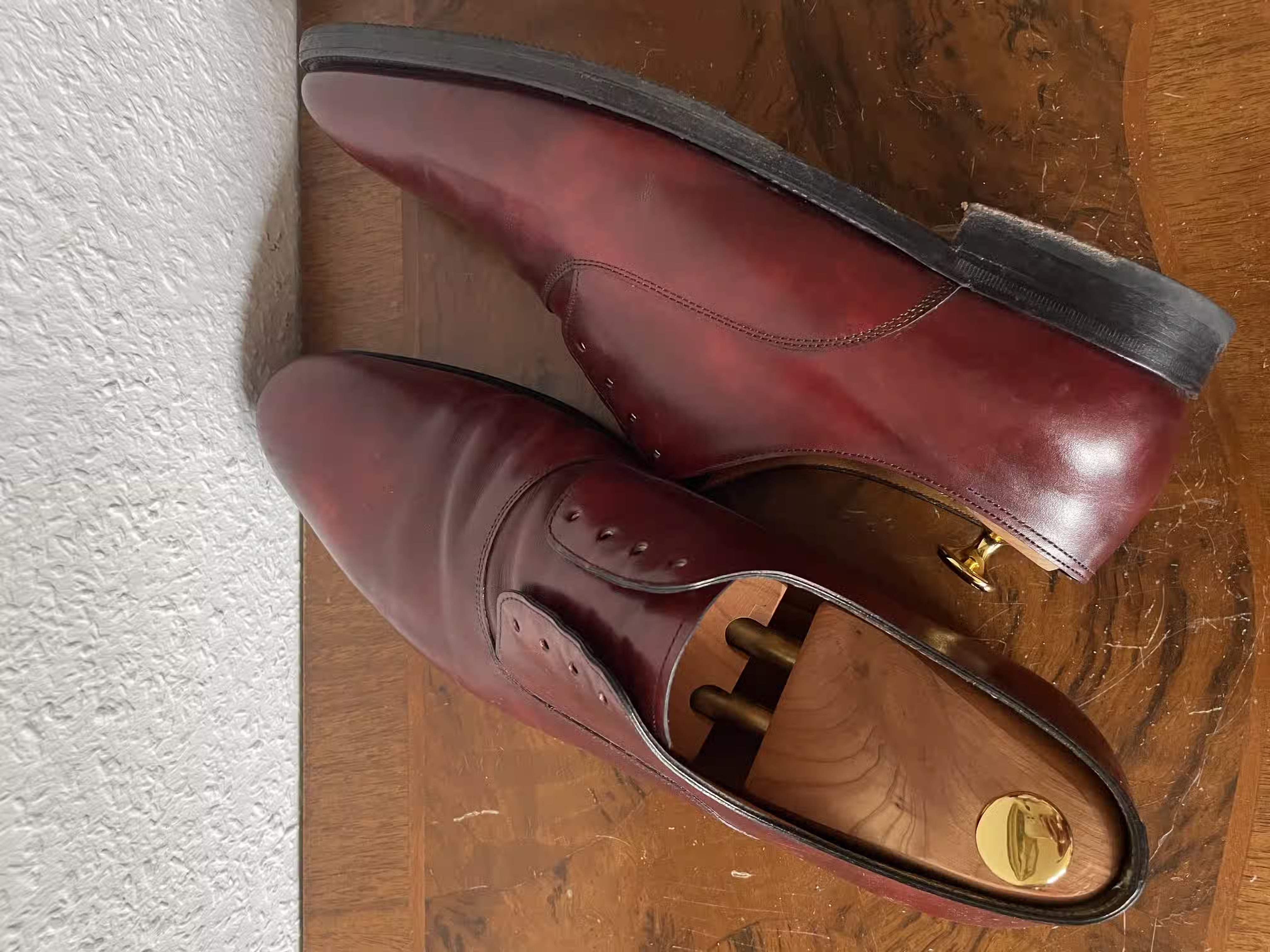
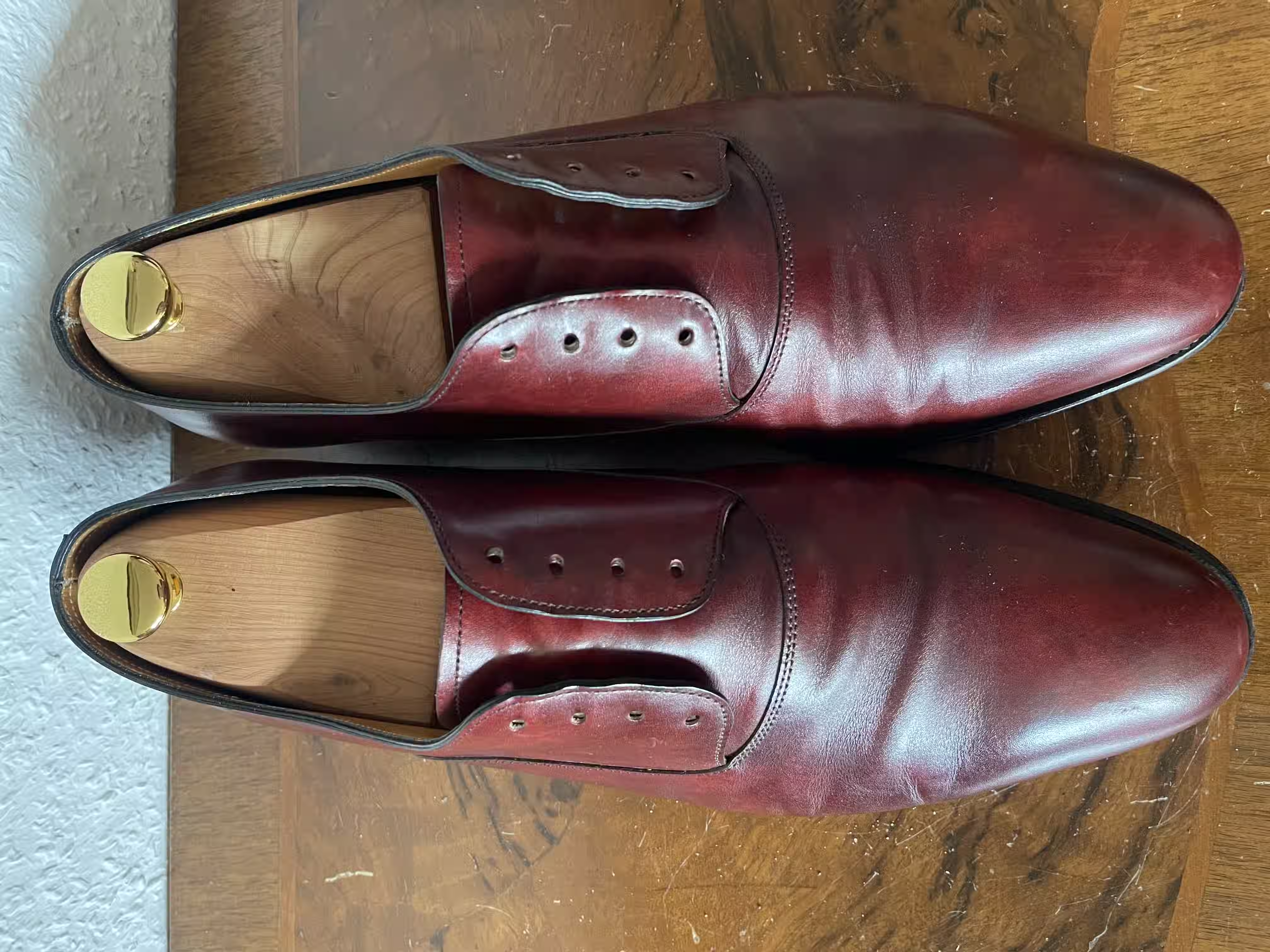
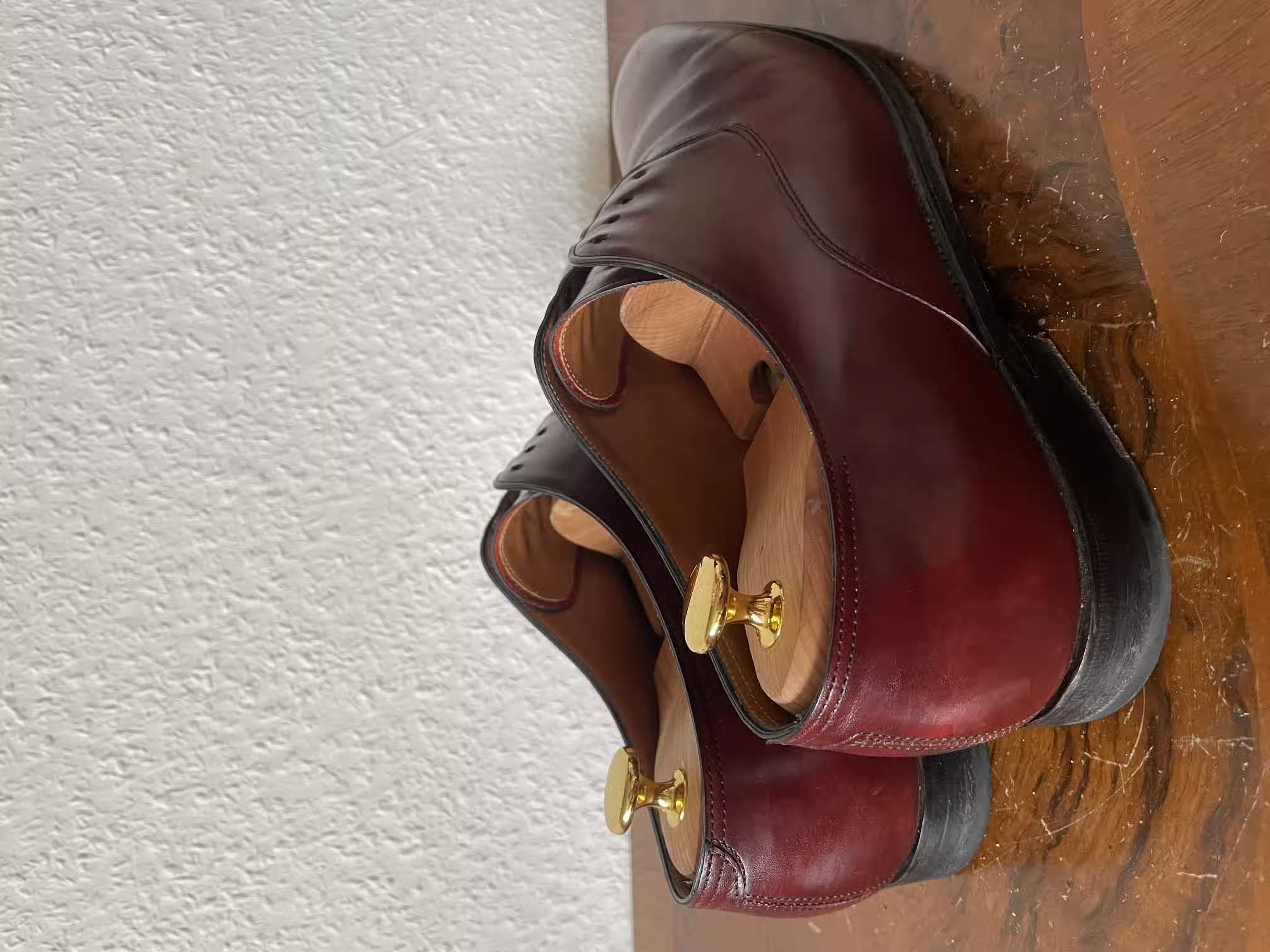
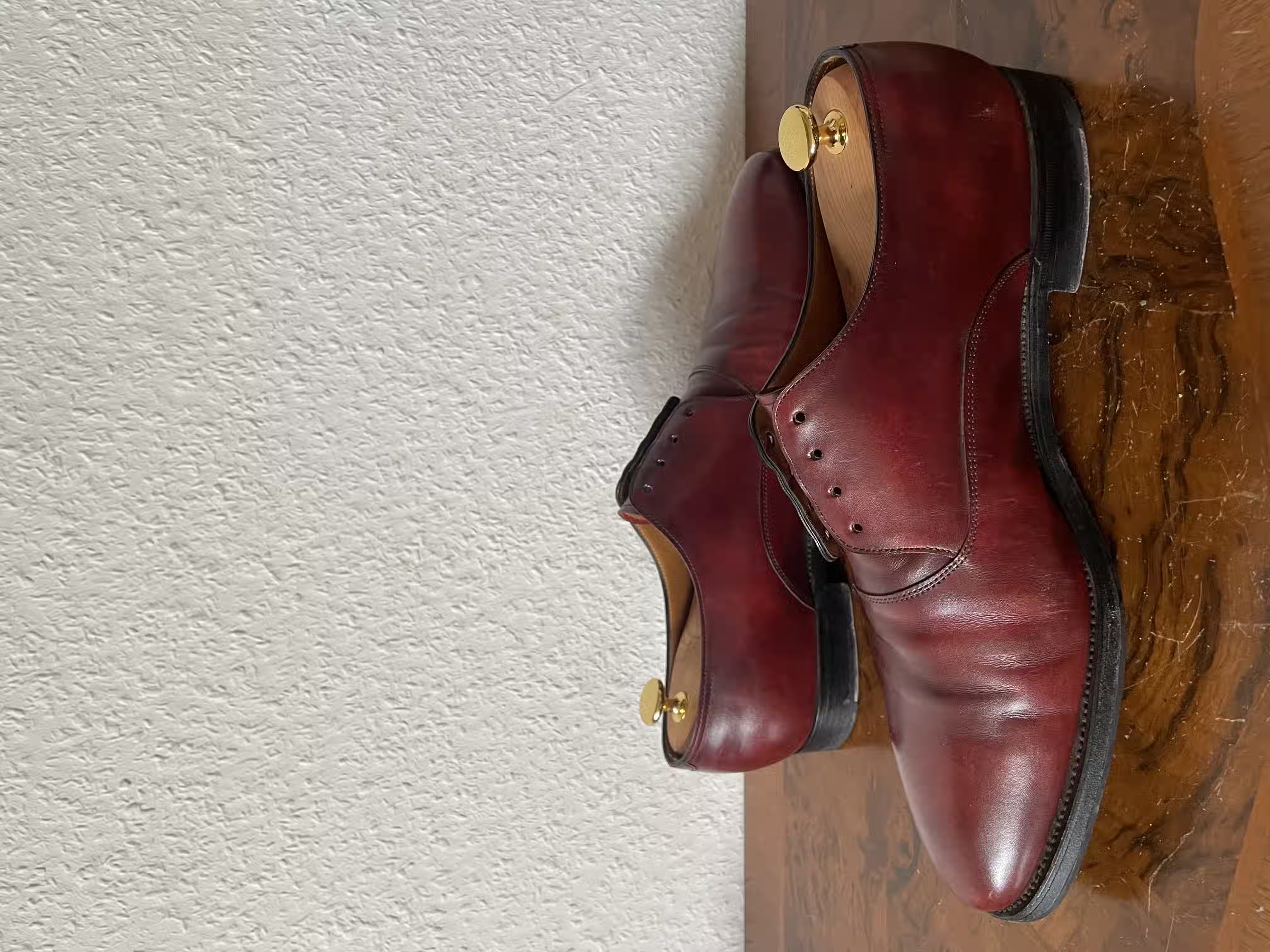
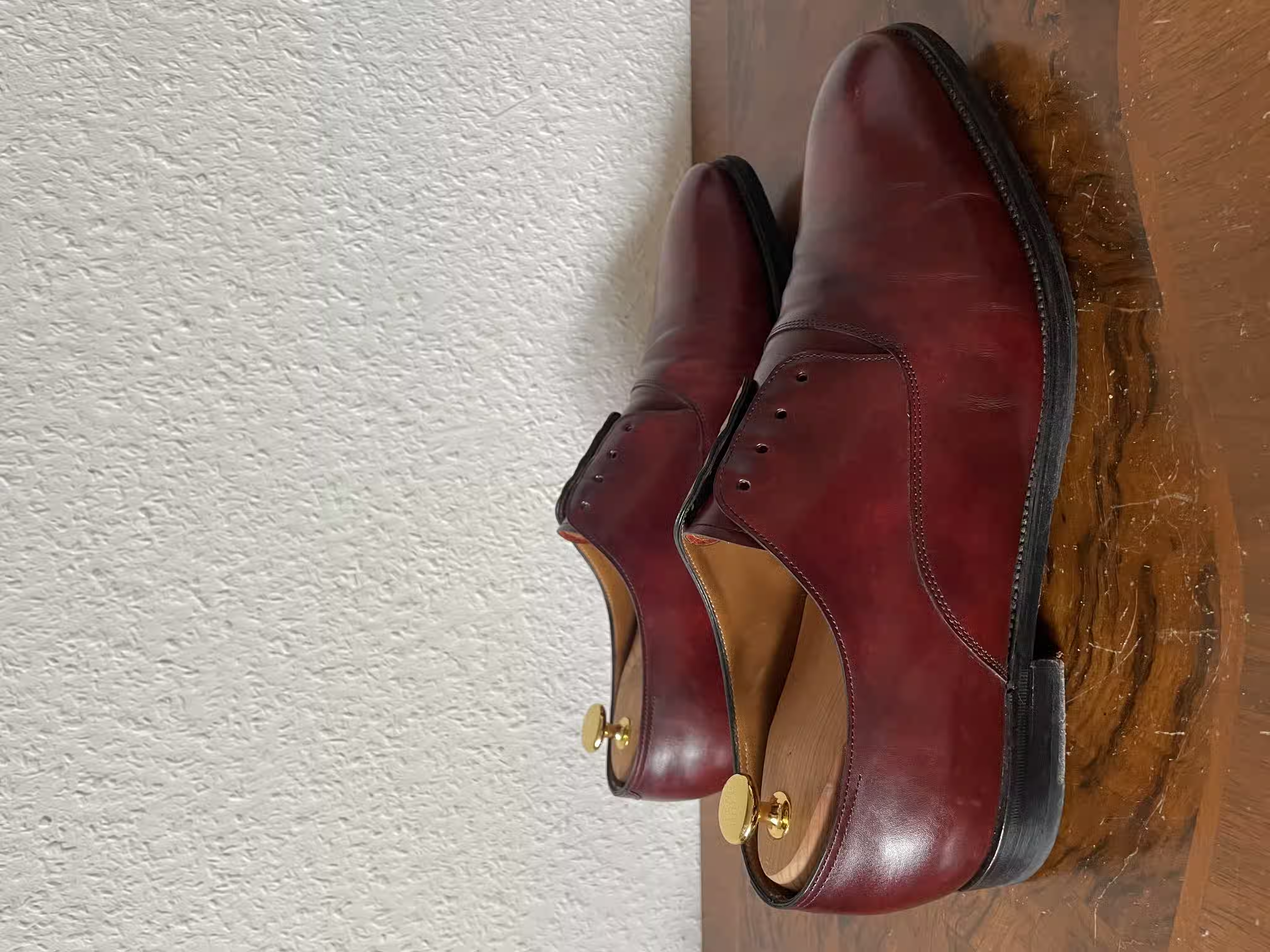
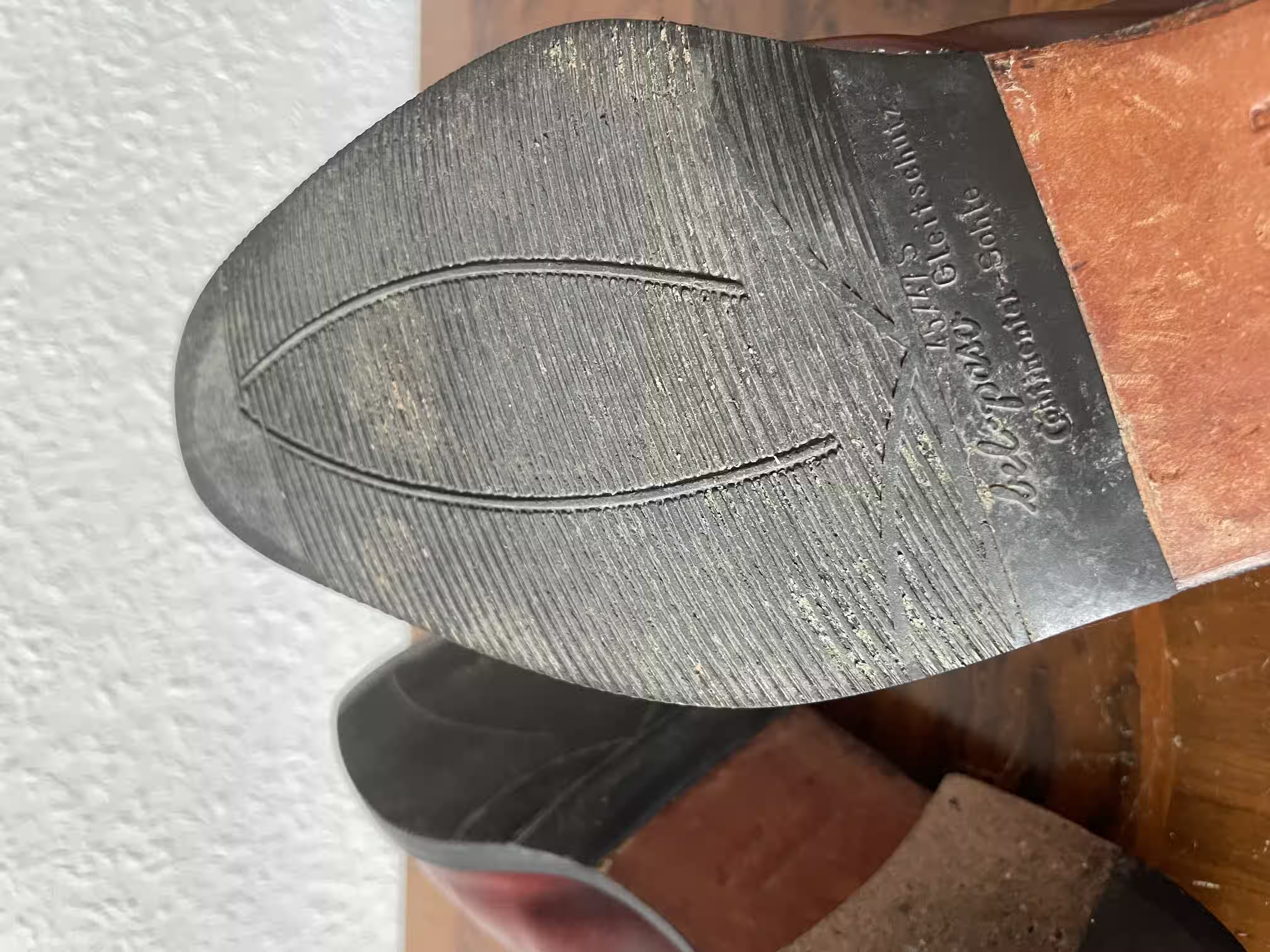
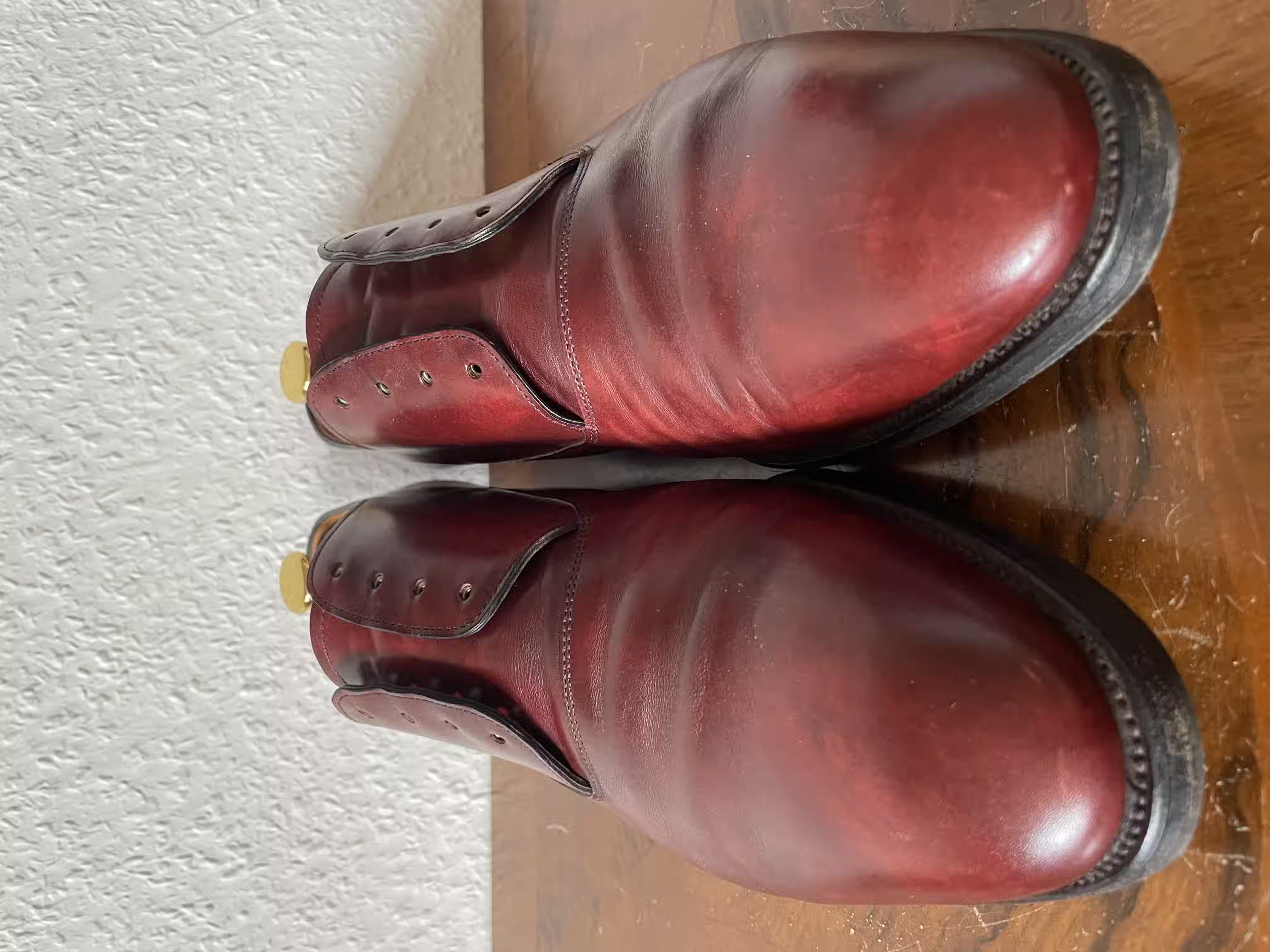
English welted shoes are highly prized by many connoisseurs. Above all, Britain has historically had the greatest influence on the world of footwear. There are also many traditional brands in Britain specialising in welted shoes, although a great many manufacturers of mass-produced shoes use a glued-and-stitched form of the welted construction rather than the traditional method. Personally, I have very little regard for such shoes for this reason. I believe that Britain is much better positioned in the bespoke shoe sector.
English leather shoes are typically very conservative in appearance, with a rounded toe, known there as an ‘almond toe’. In black, such shoes are a safe choice for formal occasions, but also for all evening events, as is still the custom in some circles there. Perforated patterns and the colour brown add a touch of lightness to this style. Whilst there are also unusual, modern styles, these are rather rare amongst welted shoes in the UK.
Selection of manufacturers for mass-produced shoes
If you’re interested in English mass-produced shoes, the following brands might be worth considering:
- Edward Green
- Gaziano & Girling
- Paul Sargent
- Church’s
- Cheaney
- Crockett & Jones
- Tricker’s
This is just a small selection of English shoe manufacturers; there are plenty more out there. For example, John Lobb (Paris) also manufactures its shoes in England – not to be confused with the bespoke shoemaker John Lobb 1849, which manufactures its shoes directly in London. Many of the manufacturers have a factory in Northampton or the surrounding area and a shop in London.
French shoemakers
France has manufacturers of shoes across a wide range of price brackets; here is a small selection of what I consider to be the better-known shoemakers:
- Aubercy
- Berluti
- Corthay
- Heschung
- J.M. Weston
- Septième Largeur
- Paraboot
As is typical of France, you’ll find almost everything in this regard in Paris.
German shoemakers
There are few internationally renowned manufacturers of hand-stitched mass-produced shoes from Germany; the best-known are probably:
- Heinrich Dinkelacker | Henry Stevens (formerly Shoepassion) – both manufacturers now belong to the same group and produce their shoes in Spain
- Chartins
In addition, there are small artisan workshops that produce very high-quality shoes – including:
- Patrick Frei from Freiburg
- KLH from Berlin
- Mogada from Munich
- Schuhe Bertl from Munich
It is these smaller shoemakers in particular who are the reason why there is still a thriving shoe-making culture in Germany, although unfortunately it is gradually dying out. More and more shoemakers are closing down without direct successors, such as Julius Harai and Hans-Joachim Vauk from Neumünster.
Furthermore, particularly in southern Germany, there is a tradition of wearing ‘Haferl’ shoes and hiking boots, which is also gradually declining. You can still find carefully crafted leather shoes of this kind, made using traditional methods, which stand out from mass-produced items. However, this is no longer a given.
Italian Shoemakers
Italian shoes are held in high regard by many people internationally, a fact that shoe manufacturers often like to capitalise on with the ‘Made in Italy’ label. What many people do not realise, however, is that – much like with ‘Genuine Leather’ – the ‘Made in Italy’ label is sometimes exploited to unjustly gain customers’ trust. This works as follows: some final, rather insignificant step is carried out in Italy, whilst the bulk of the work takes place in other parts of the world. The shoe is therefore largely manufactured outside Italy, but because the final step takes place in Italy, the ‘Made in Italy’ label may be used. And because the main work is done outside Italy, either the price is very low or the profit margin is especially good.
Nevertheless, this does not apply to all shoemakers who use the ‘Made in Italy’ label. There are just as many good and very good manufacturers of shoes bearing this label, and their prices for machine-stitched shoes start at around €200. In my view, lesser-known shoe brands in this price range are particularly trustworthy, especially if you can visit their workshop and see for yourself.
Well-known Italian manufacturers
In my view, perhaps the best-known Italian manufacturers of mass-produced stitched shoes are:
- Bruno Magli
- Gravati
- Magnanni
- Moreschi
- Santoni
This section focuses primarily on industrially manufactured shoes using the Blake or Blake-Rapid construction methods. There are also shoemakers who do not work on an industrial scale, but instead produce shoes by hand in small batches. In the high-end sector in particular, the following are among those held in very high regard:
- Antonio Meccariello
- Bontoni
- Enzo Bonafe
- Kiton
- Paolo Scafora
- Silvano Lattanzi
However, Italy has many other excellent shoemakers to offer, whom I would like to focus on more in future.
Santoni
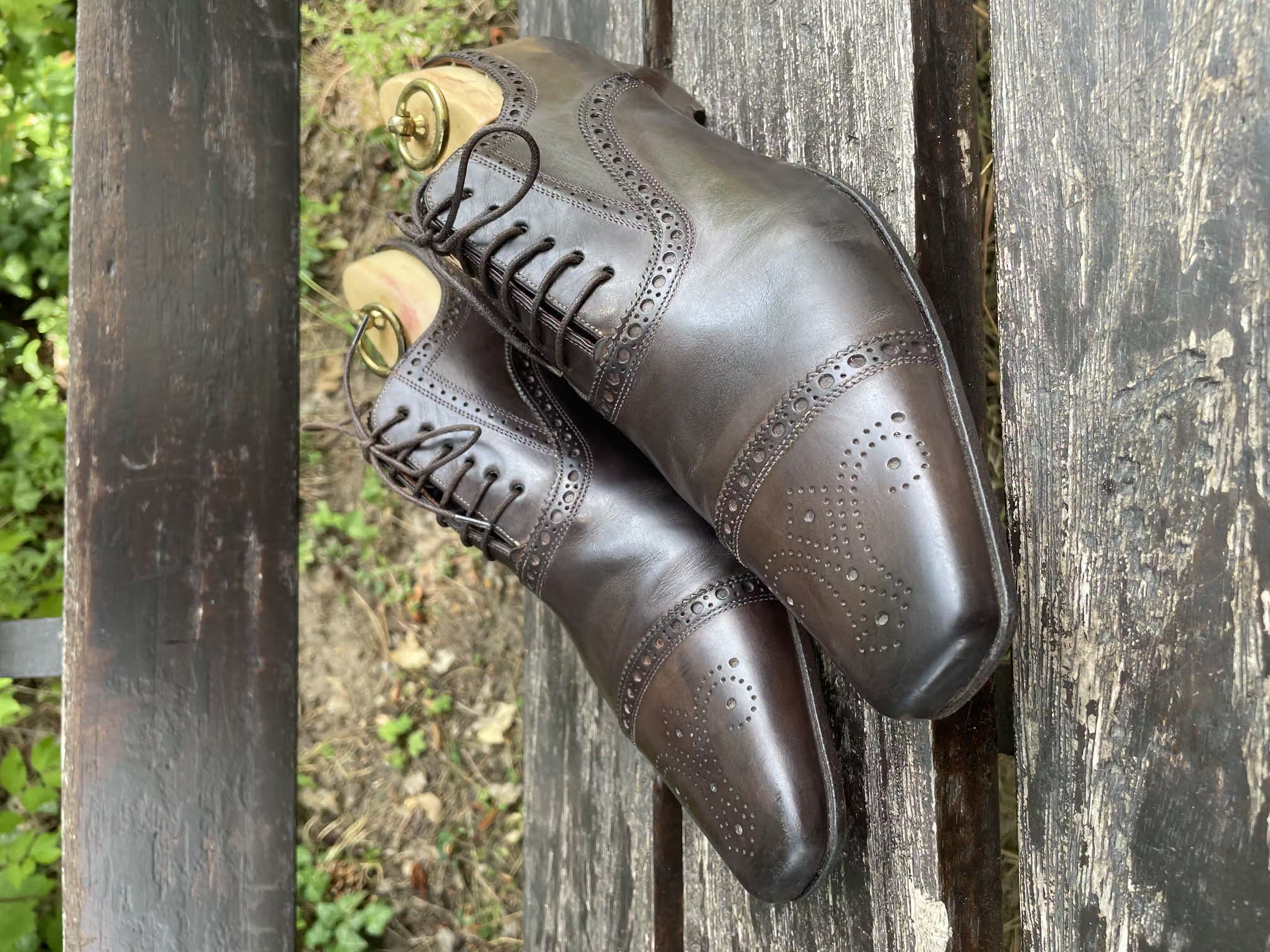
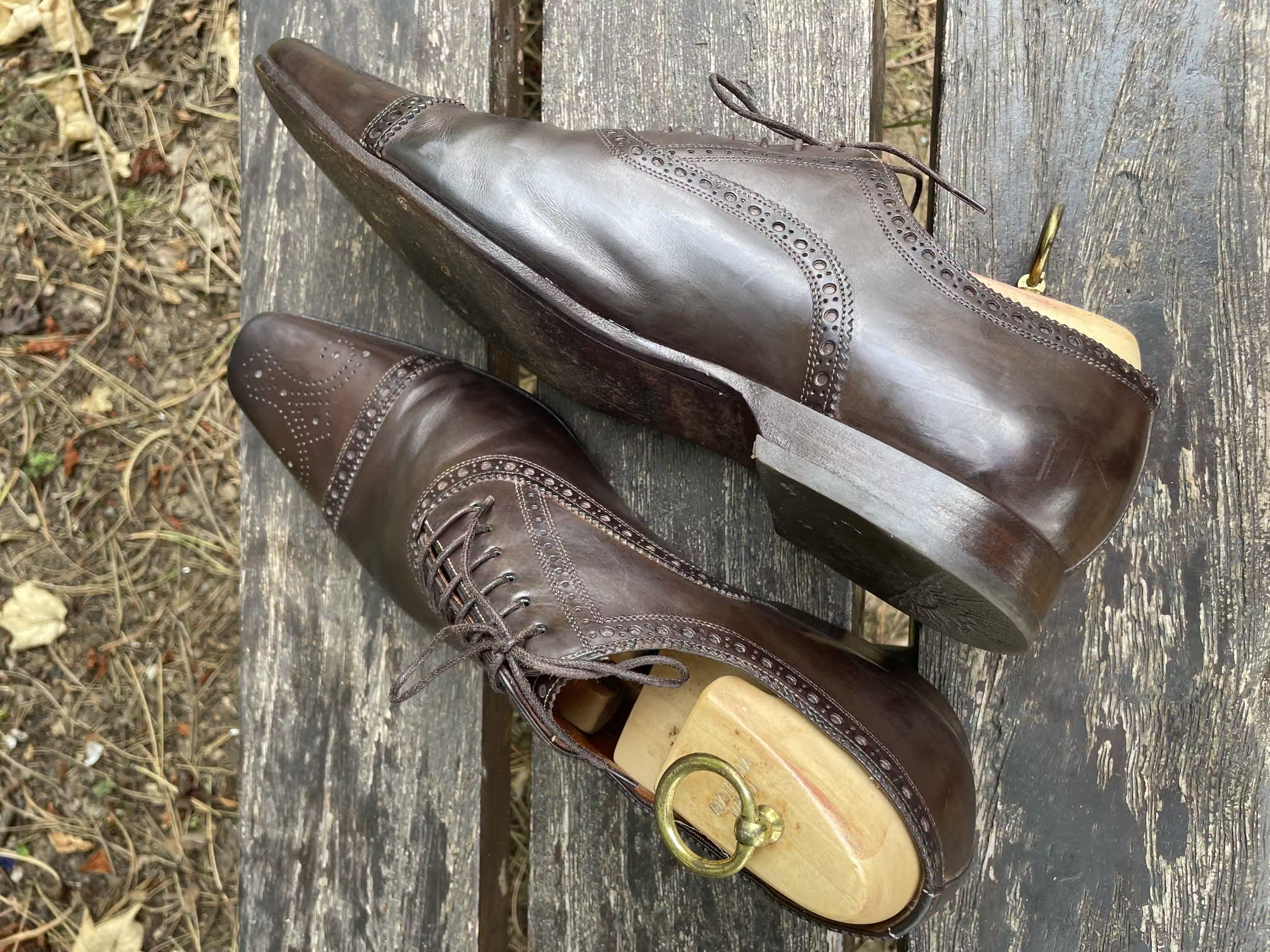
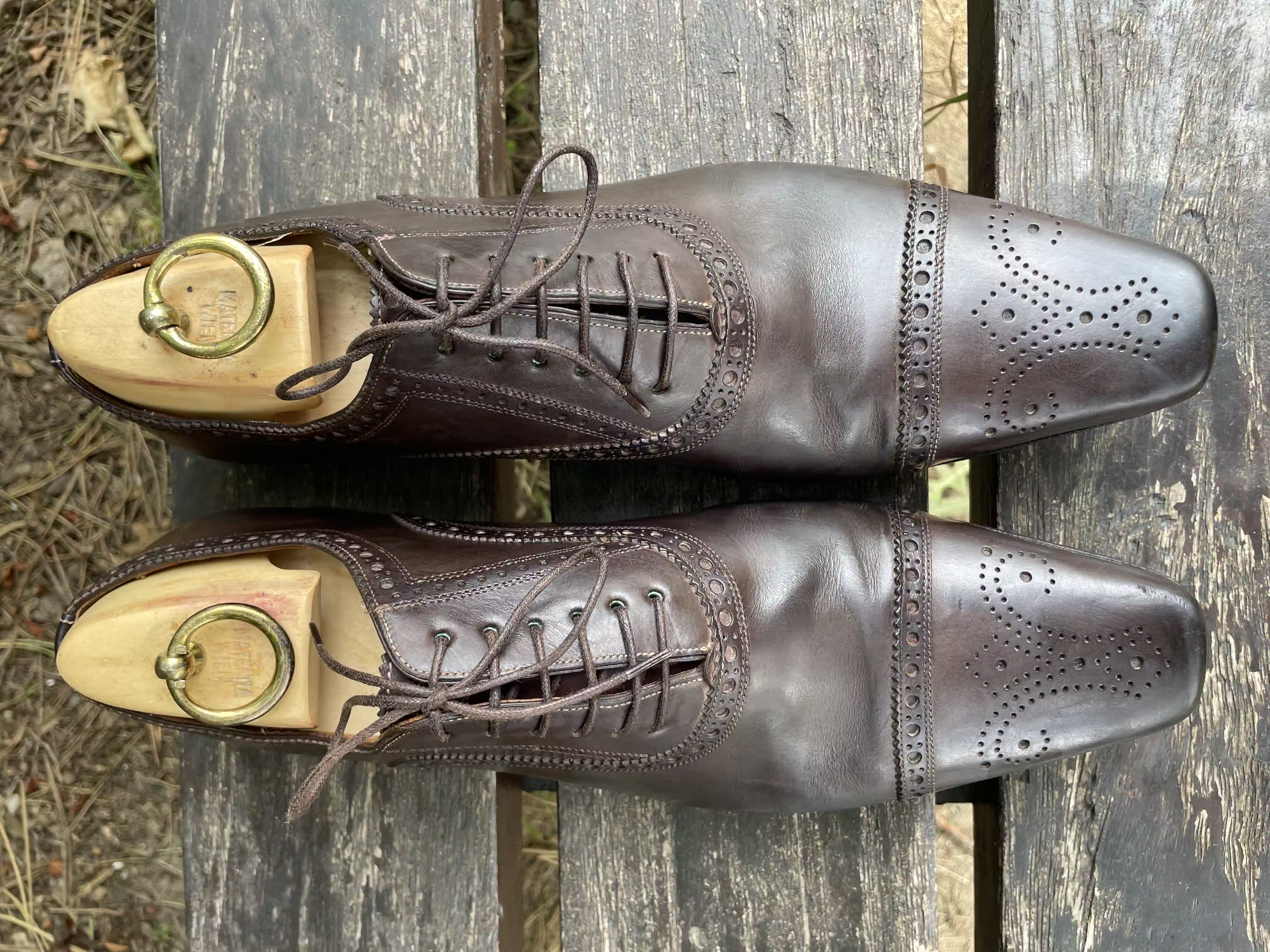
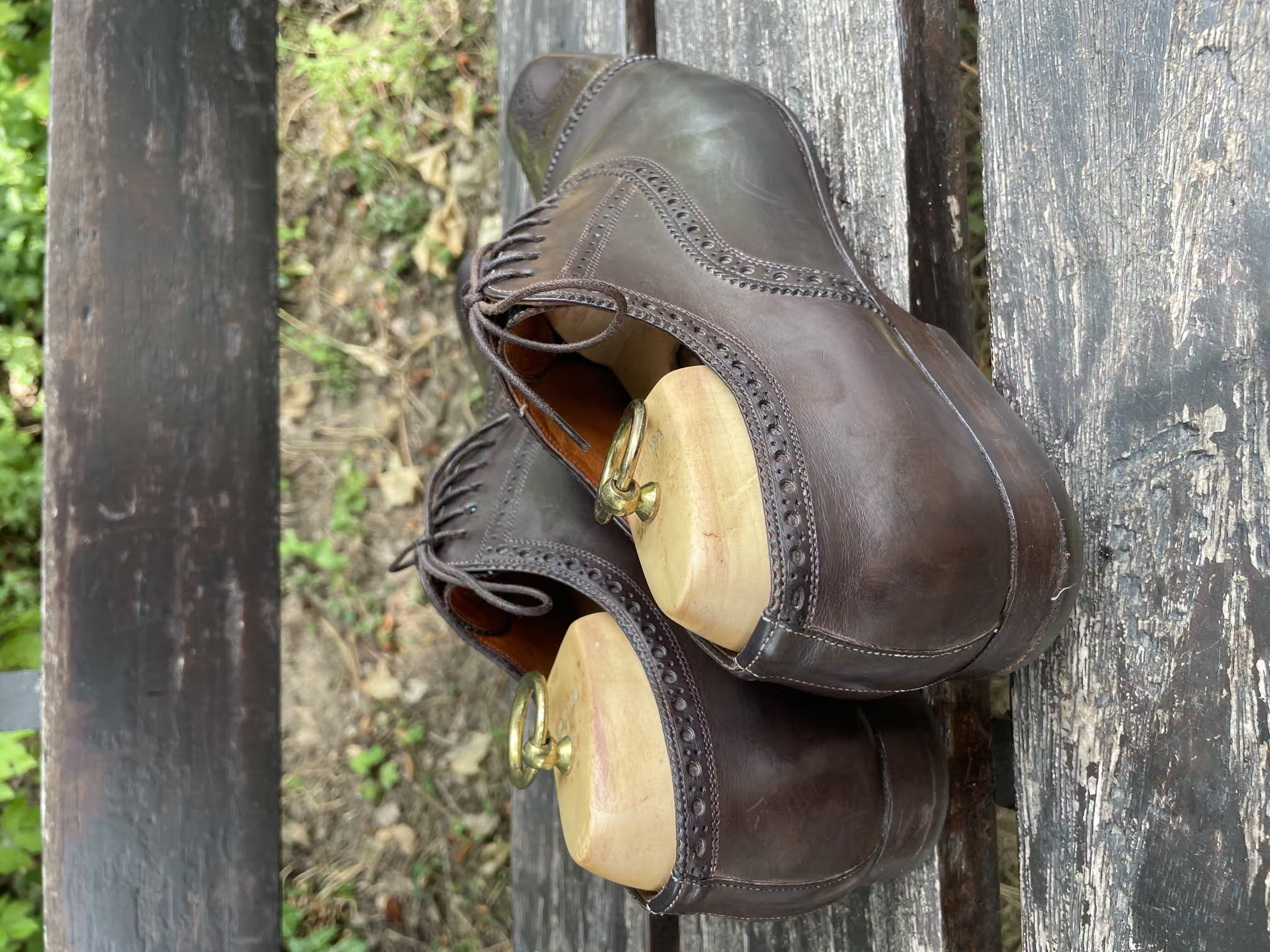
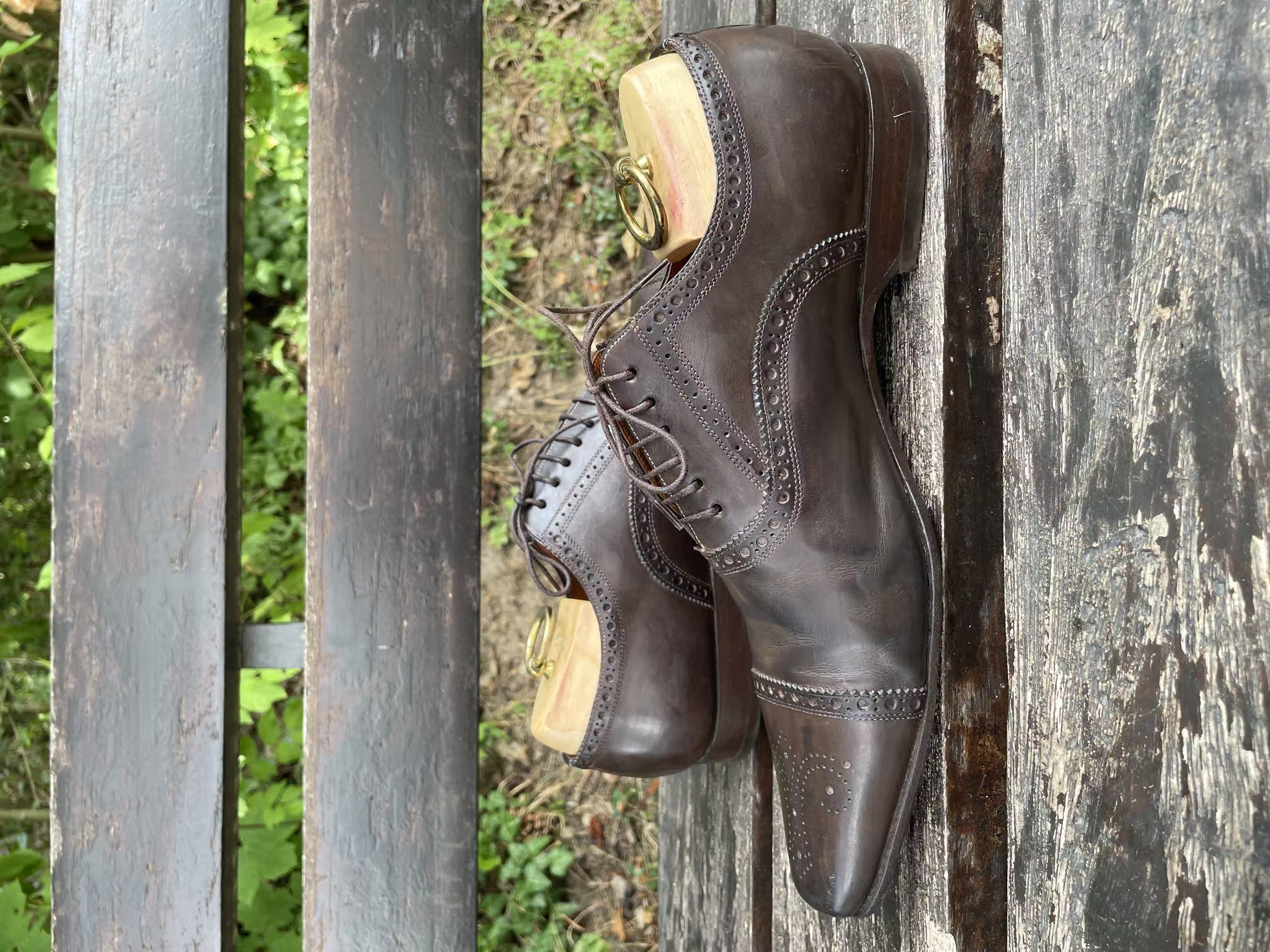
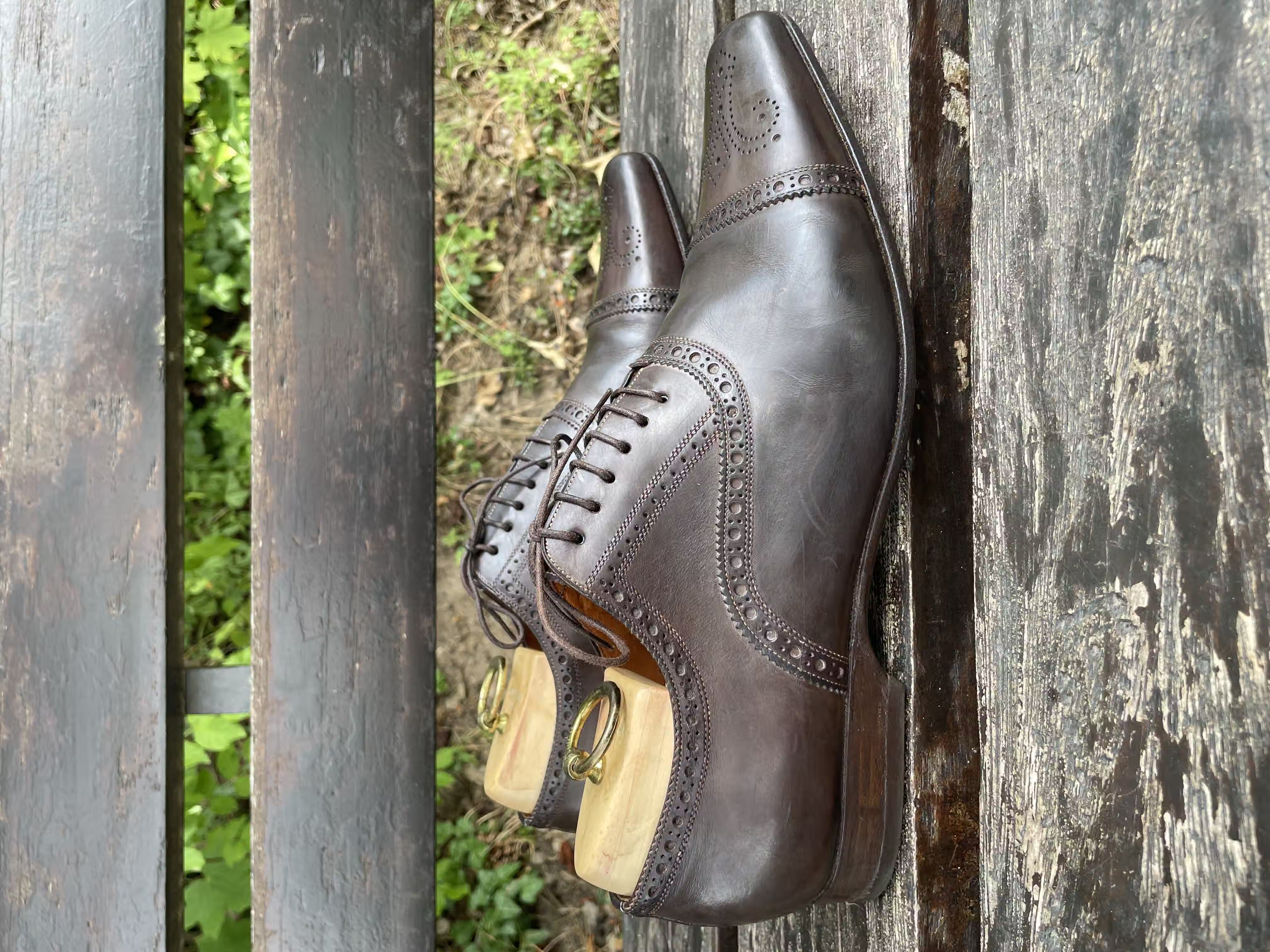
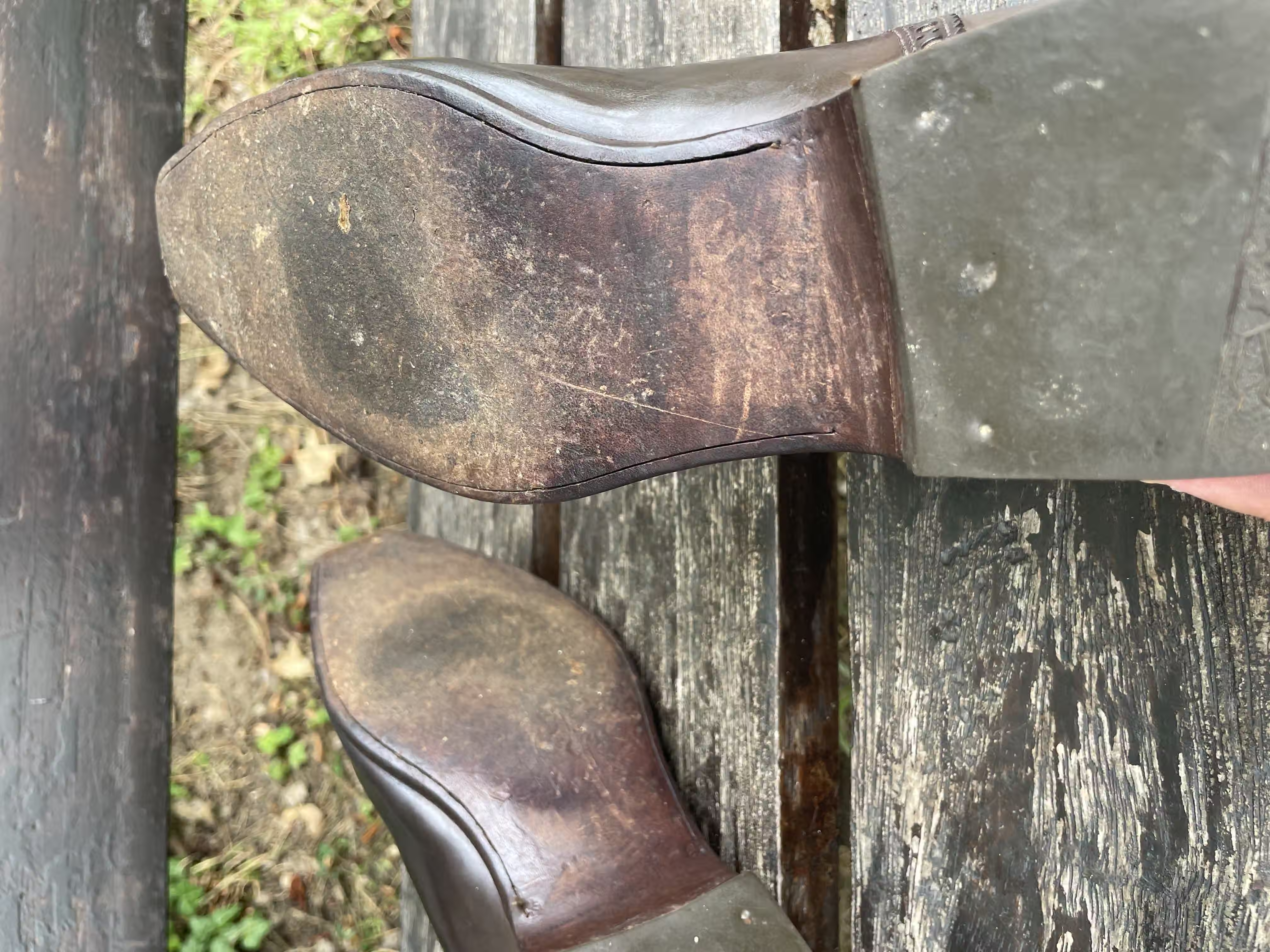
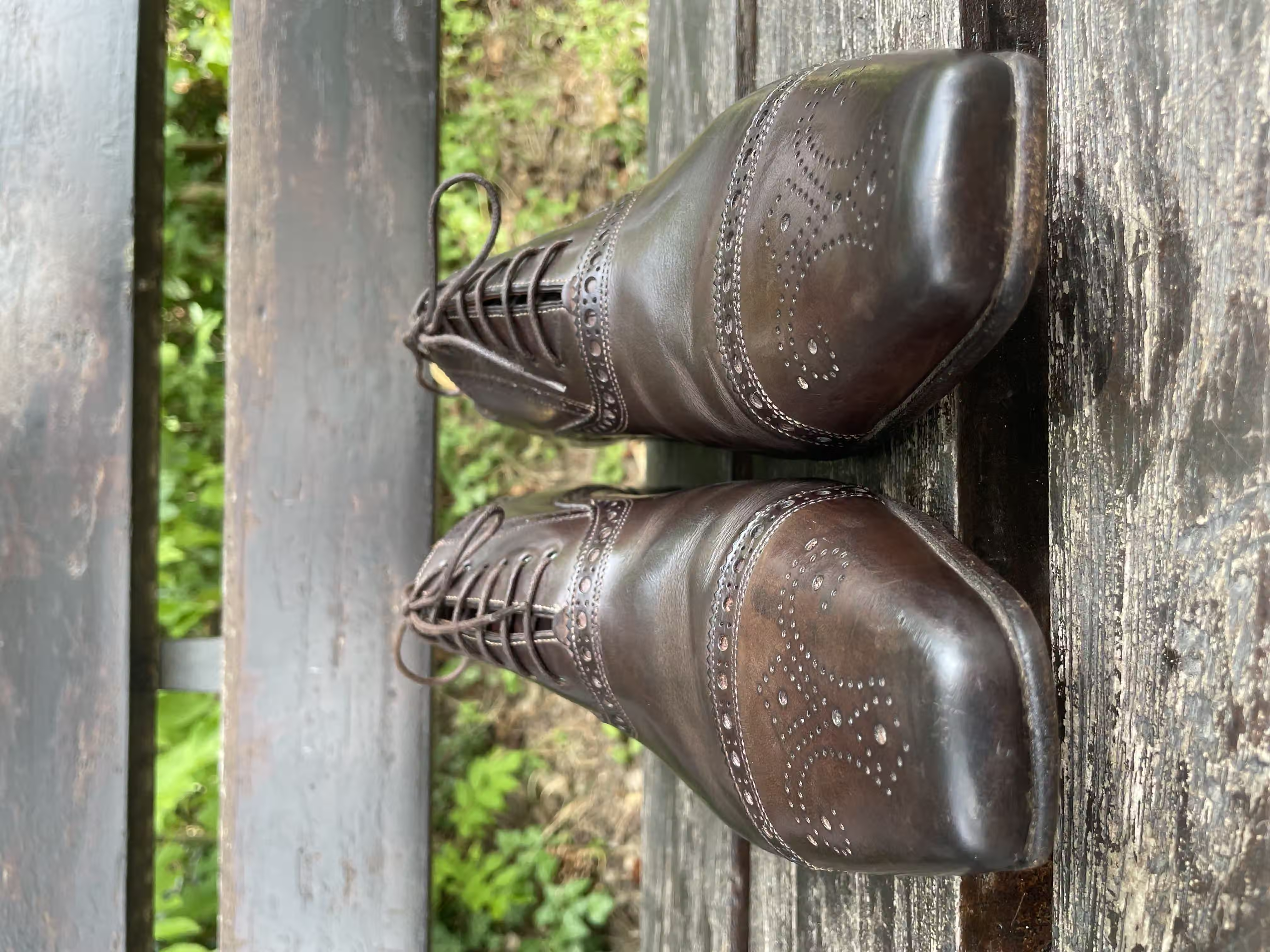
Santoni is originally an Italian company, but has since become very active on the international stage. You can find Santoni shops in many parts of the world, and it’s particularly easy to do so in Europe. In my Review of Santoni shoes you can also read that I’m a big fan of the Fatte-a-mano range, whose shoes, in my experience, are extremely comfortable to walk in. Visually, you can find shoes in a wide variety of styles at Santoni, but in my view, the typical Santoni shoe is a long, slim shoe with a thin sole, made using the Blake or Blake-Rapid construction method.